Roundabouts and Traffic Circles are similar in that they help keep traffic moving without forcing anyone to come to a complete stop. I was pretty nervous the first time I encountered traffic circles. There were not any traffic circles in the small town where I learned to drive. I knew how to come to stop, watch for traffic, and then proceed. The idea that I was supposed to merge into this moving traffic and then leave the circle at the right spot was a little unnerving. I have since learned the benefits of traffic circles and roundabouts.
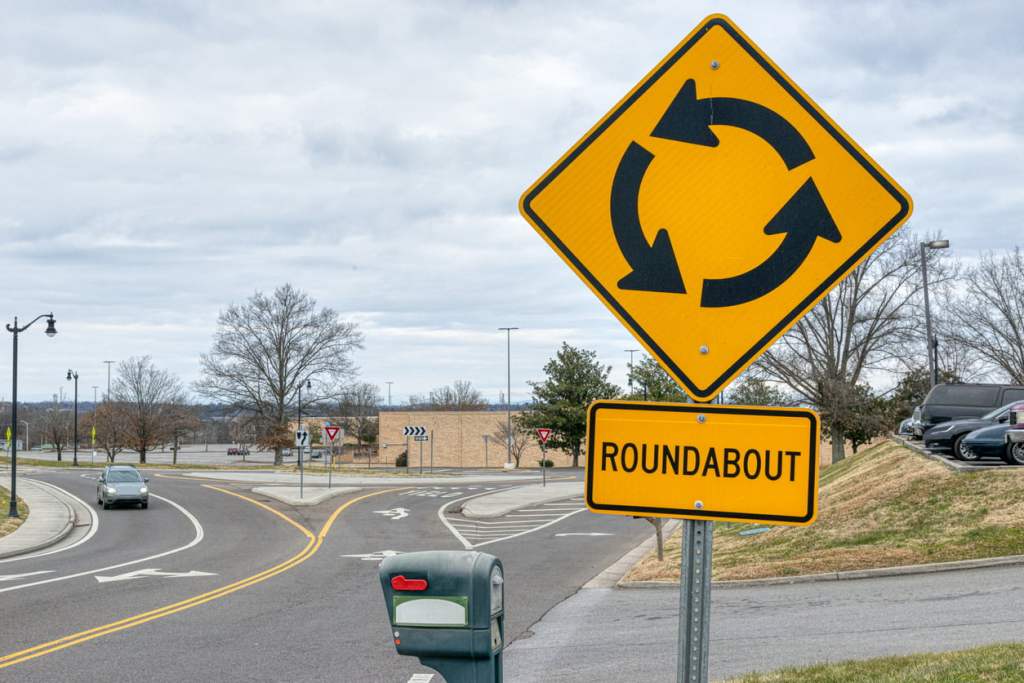
Roundabouts have become more common in the province where I live, not just traffic circles in the congested areas of a city but also at major intersections on highways. These have replaced 4-way stops, allowing traffic to keep moving. Traffic must slow down, yet doesn’t need to stop completely, which I’m sure large trucks appreciate especially. They don’t have to come to a complete stop and then get their heavy load moving again.
This made me think of how sometimes churches or organizations need to make wholesale changes to deal with problems that negatively affect them. Do they need to come to a complete stop or can they make changes on the fly? I’m reminded of observing how some hockey teams who are no longer winning regularly try to make changes. Some give up and trade away any player of value to try to do a complete restart. Others make significant tweaks in their organization without losing seasons to a restart. A roundabout is an example of making changes as you keep moving forward.
When churches have suffered a loss of member for an extended period, it becomes clear that changes need to be made. Often, if they have lived in denial for too long, they will need to come to a complete stop and start over. In some situations, a complete stop means a change of pastoral staff and a period of renewing vision and resetting strategy. In some situations the complete stop means completely stopping all functions of the church, even closing the doors for a brief period of time in order to start a new work down the road.
Like a roundabout, slowing down is preferable to the complete. Yes, the church must slow down. Maybe there are programs that need to be shut down or reworked completely. A pastoral transition might be required. Often someone outside the church needs to come and coach the church through to a better future. The church stops almost all activity for a time, while still maintaining regular Sunday worship services and a physical presence in the community. The church doesn’t come to a complete stop but slows down enough to consider the reality of what they are facing.
Most roundabouts have at least three alternatives for drivers to leave the circle. You may leave the roundabout at the exit that keeps you going straight ahead, or you can take a turn to the right or left. A church too, needs to consider if some simple realigning is all that is needed, and they can keep moving ahead in the direction they were already going. On the other hand, it may be the time to take a turn a little to the right or left. A complete stop is not required, but some restructuring on the fly may mean a change in vision and replacing some programs with others that fit better with the new vision and the current culture of the church and its community.
Like my first experiences with traffic circles, when a church realizes it needs to change, trying something new can be quite unnerving. Hopefully though, most churches will recognize that slowing down to make changes can help them avoid a complete stop.
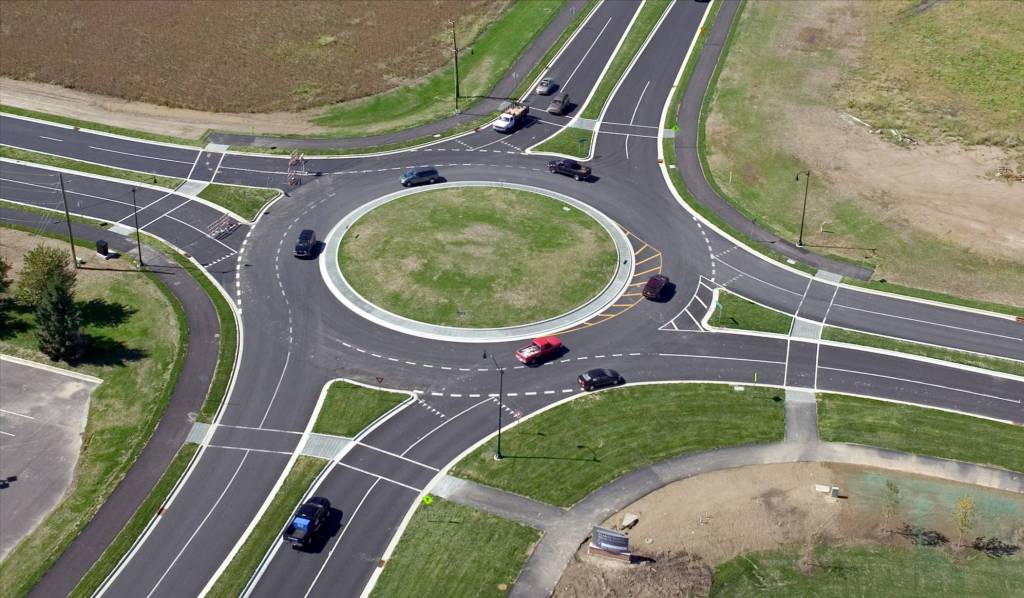
Church leaders, be willing to adjust your vision and programming when necessary. Church members, work with your leaders as they guide you to a better future. Trust God to guide you as you ask Him to help you make the right changes.
Keep looking up,
Andy Wiebe
 Elevate with Andy