Book Reviews: Andy’s 2022 Reading Experience

I will be sharing a brief review of every book I read this year. Hope you enjoy and hope it encourages you to keep reading.


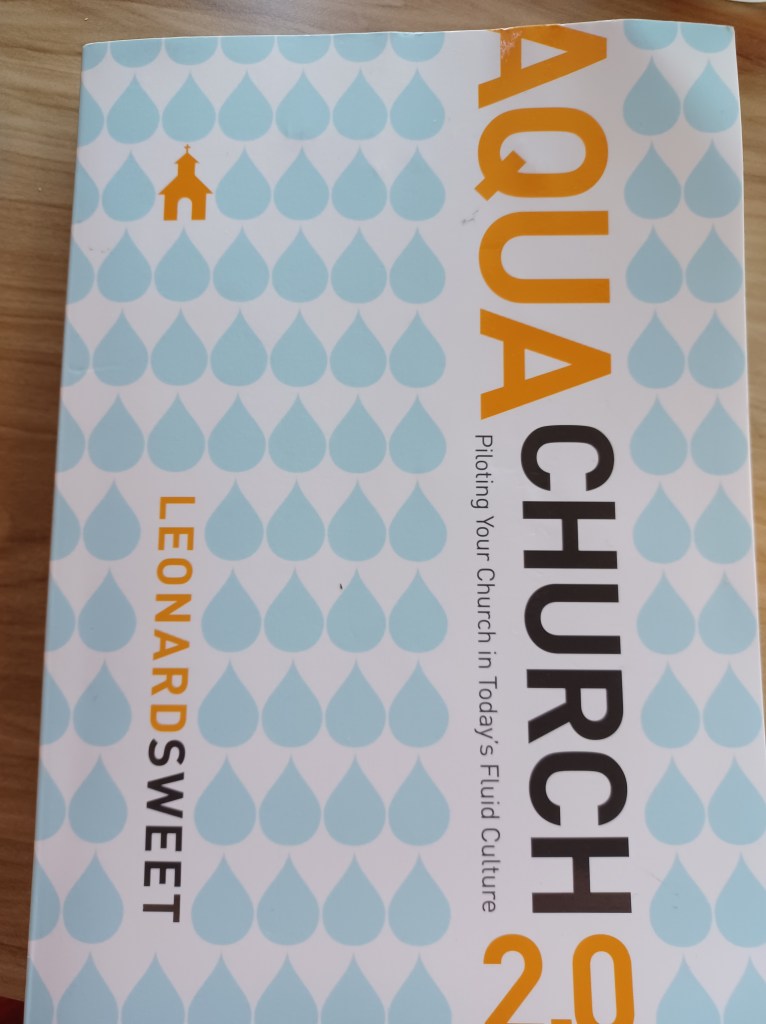
LEADING IN A CULTURE OF CHANGE – by Michael Fullan

This book is an older book but the principles are still helpful today, and maybe even more needed than back in 2001. Change is happening quickly around us, and many are suggesting they have answers. Often those requiring change to happen, look for a charismatic strong leader or a program that has worked somewhere else. Michael Fullan suggests, I believe correctly, that we need to realize that no one program is the answer to every situation. He also says that the change a charismatic leader brings may only last as long as he is leader. So Fullan suggests that change needs to be worked at slowly, with many of the people impacted participating in the transformation. As well, instead of using a cookie cutter approach, look for what might be appropriate to use at certain locations and at certain time periods of the change. He concludes the book like this: “Ultimately, your leadership in a culture of change will be judged effective or ineffective not by who you are as a leader but by what leadership you produce in others.”

Book Reviews: Andy’s 2022 Reading Experience

I will be sharing a brief review of every book I read this year. Hope you enjoy and hope it encourages you to keep reading.


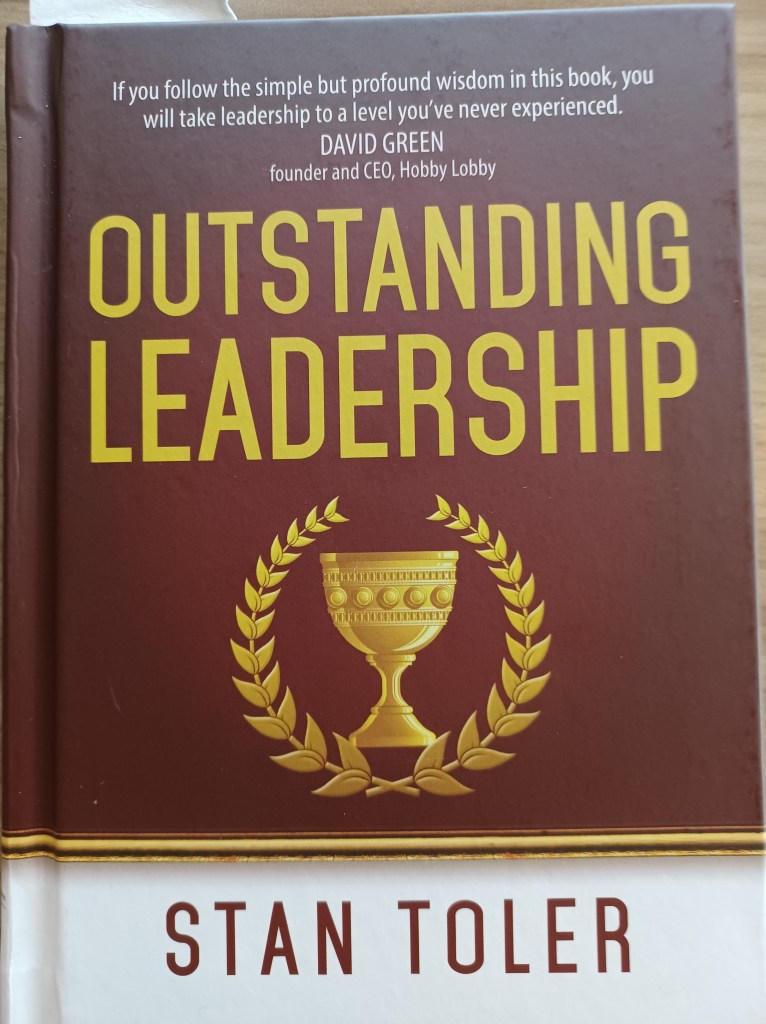
OUTSTANDING LEADERSHIP – by Stan Toler

There are many books on leadership, and this little book is among the best. Every short chapter is chockfull of ideas and definitions and quotes and generally good leadership advice. Stan Toler shares great advice drawing on many other good leaders. In Part 1: Leadership that Motivates, he shares how to develop and share a good vision. Part 2: Leadership that Relates lays out the value of communication and how to best communicate so that you can transform individuals and organizations. A great little book.

Is This Church?

I have many unique and incredible experiences of church. I have been to churches meeting in large auditoriums, in school gymnasiums, in homes, and at a golf course. I have been to churches on three continents. I have been in churches that speak various languages. I grew up in a church where everyone felt comfortable speaking Low German. In one church most members were speaking Tagalog until the service began in English. I had the opportunity of preaching in a church in Choma, Zambia, where the pastor interpreted it into one of the local languages, Tonga. I have been in church services that started right on time and ended exactly one hour later. I have been in services where there was an approximate ending time but usually it went much longer. I have been in churches of thirty people and churches of hundreds of people.

I have been in churches where the staff led everything in the service and in churches where most of the service was led by volunteers. I have been in services where it felt like we were watching a performance, and I have been in services where the congregation was invited to participate in a number of ways.

So, what makes it church?

Let’s think of a few things that need to be present for it to be church, and before that, let’s define church. Church is the people of God meeting together. So let’s look at a few things that make something “church”.

  • Church is the people of God gathered.

When Paul wrote his different letters, he addressed them to the church in Corinth, or Ephesus, etc. He was addressing people. In Corinthians 1: 2 Paul writes, “I am writing to God’s church in Corinth, to you who have been called by God to be his own holy people.” Church is a gathering of people.

  • Church is the encouraging and motivating of God’s people.

Hebrews 10: 24 and 25 says, “Let us think of ways to motivate one another to acts of love and good works…encourage one another….” When the gathered disperse, they should feel encouraged and motivated to continue to grow in their love of God and their service to others. Something needs to happen when gathered so that the people going home are different than when they came in. They should have been challenged to change in some way.

In order for something to be church, the gathered must leave encouraged.

  • Church is the people of God praying to God.

In 1 Timothy 2: 8 Paul advises this young pastor, “In every place of worship, I want men to pray with holy hands lifted up to God….” One aspect of a church service, when God’s people gather, should be prayer. Somehow, as part of the time with each other, God’s people need to spend time talking with God.

In order for something to be church, the gathered must pray.

  • Church is the people of God gathered to listen to Scripture.

Here is some more advice from Paul to Pastor Timothy: “Until I get there, focus on reading the Scriptures to the church, encouraging the believers, and teaching them.” God’s Word should be read in church. While everyone should read at home on their own as well, there should be public reading of Scripture. That means, preaching through a popular book does not cut it.

In order for something to be church, the gathered must read Scripture.

  • Church is the people of God gathered to be taught.

In the advice to Timothy in the last point, Paul says to “teach them.” Someone, or more than one, needs to expound and apply Scripture to the regular daily lives of God’s people. Someone who has more training or more experience in a passage of Scripture can help others understand it and figure out how the rest of the Bible contributes to what is said in the verses read.

In order for something to be church, the gathered must be taught.

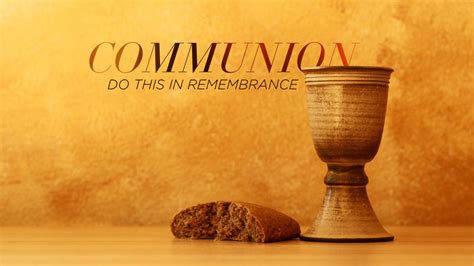
  • Church is the people of God gathered to celebrate communion.

In 1 Corinthians 11 Paul reminds the Corinthian church to respect the Lord’s Supper as a special event reminding us of Jesus’ death and resurrection: “For I pass on to you what I received from the Lord himself. On the night he was betrayed, the Lord Jesus took some bread…” (1 Corinthians 11: 23) He goes on to describe what happened during that meal Jesus had with his disciples, leaving us an example to follow. Many churches regularly celebrate communion, or whatever your church calls it. Some practice it every Sunday, others monthly.

In order for something to be church, communion will be celebrated regularly.

Is this church?

These are some of the elements that make church “church.” Basically, church is the gathered people of God, but the above elements are usually part of that gathering. Not every item above will be in every gathering of believers, and there may be others included. The point is, do we know what needs to included and what does not? Do we understand the incredible value of regularly meeting with others who are part of God’s family? Please leave a comment sharing what you would add or remove from the list. What do you believe needs to be present to be “church”?

I hope you have found a great local church to regularly gather with. If you have not found one, keep looking. You need to meet with others of God’s people.

Keep looking up,

Andy Wiebe

Book Reviews: Andy’s 2022 Reading Experience

I will be sharing a brief review of every book I read this year. Hope you enjoy and hope it encourages you to keep reading.


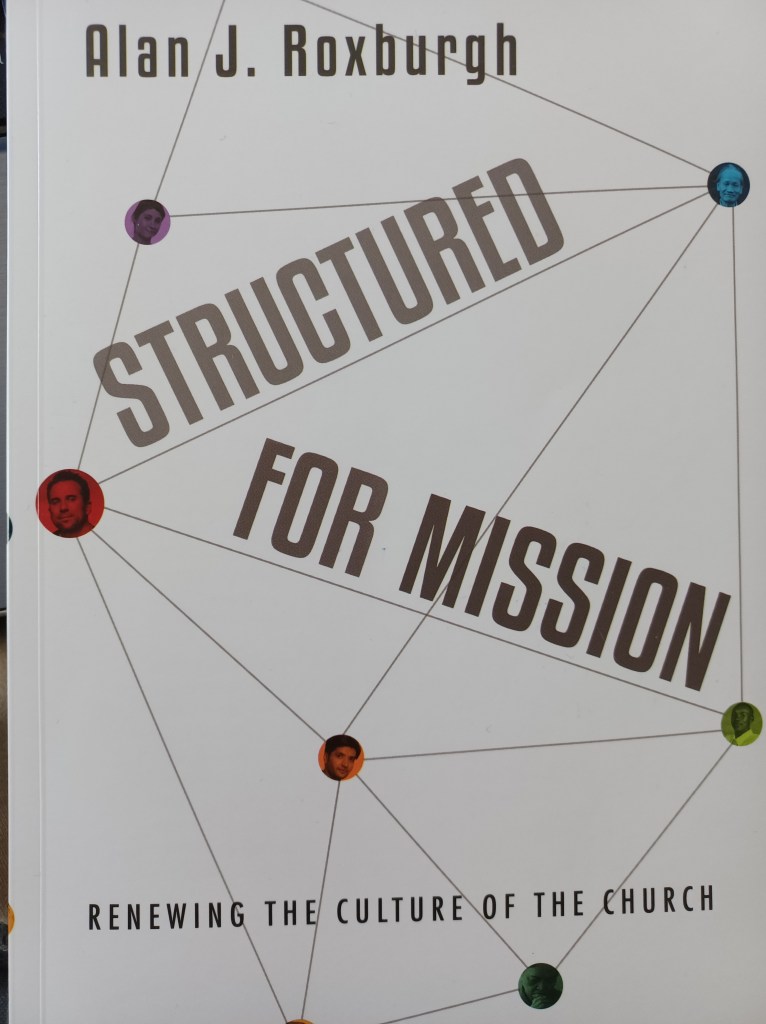
STRUCTURED FOR MISSION – By Alan J. Roxburgh

The thesis of Structured for Mission is that the present way denominations are structured must change to be effective in today’s culture. He believes that the time for experts in a denominational office is up. The real experts today are the ones at the local level. Local churches need to be given more freedom and take more ownership of their local ministry. Roxburgh doesn’t really give answers on how the local church or the denomination need to change. Instead, he suggests a new format for working through decisions in each local ministry. He suggests experimenting is necessary to see what new ideas work. The question he believes need addressing is this: “What are the challenges we currently face for which we presently have no answer but must address if we’re to live into God’s future for us?”
If you are struggling with how denominations and local churches presently work, this book will help you think further on that subject.

Book Reviews: Andy’s Reading Experience 2022

I will be sharing a brief review of every book I read this year. Hope you enjoy and hope it encourages you to keep reading.


NO LIMITS – by John Maxwell

John Maxwell has written many books on Leadership. This one is on helping leaders expand their potential. He begins by helping the reader become aware of how they are and what they are presently capable of. He wants people to know they are probably capable of doing or becoming more than what they realize. He addresses seventeen different areas of capacity with the desire to help you maximize your capacity in each of those areas in your life. He concludes the book with this equation: AWARENESS + ABILITY + CHOICES = CAPACITY. If you wish you could do more, then this book will help you do that.

Book Reviews: Andy’s 2022 Reading Experience

I will be sharing a brief review of every book I read this year. Hope you enjoy and hope it encourages you to keep reading.


THE CHURCH REVITALIZATION CHECKLISTby Sam Rainer

The Church Revitalization Checklist: A Hopeful and Practical Guide for Leading Your Congregation to a Brighter Tomorrow is for pastors and church leaders who recognize that their church needs some renewing. Sam writes from the position of pastor and coach to pastors who are attempting to lead their churches to a brighter tomorrow.

The first line of the book is: “If God can save any person, he can save any church.” I have a sad memory of the first church I served as a youth pastor. That church no longer exists. Fortunately the building is still being used for ministry, but that church died. Many other churches are on the verge of dying unless someone can bring them new life. Sam has written a very practical book that helps walk you through the revitalization process. Pastors, I believe many of you could benefit greatly from having this resource at your side as you lead your church to a better future.

The Tortoise Change Leader

Many of us know the children’s story “The Tortoise and the Hare.” The two are having a race, and everyone knows the hare will win. After all, a hare is much faster than a turtle. The hare decides to take it easy and even rest for a while, but the tortoise keeps going, slow and steady. Who wins? The tortoise. The point is that sometimes the race goes to the slow and steady one.

If you are called to be a leader of change, you will need to learn the skill of slow and steady change. It is a rare situation in which a change leader can come in and make large scale changes to an organization quickly. Those who do attempt so often get their attempt cut short as they are removed from their leadership role.

Church leaders who attempt change also need to learn this concept of slow and steady change. I have realized my own shortcomings in this in a few situations I have been in. I tend to get impatient and want to change too much at once.

A good change leader understands how to lead slowly and steadily toward a desired goal. Here are ten actions to take to be a tortoise-like Change Leader. They may need to be worked on in a slightly different order than listed, depending on your situation. As you work through these actions, they will help you to feel you have some movement while keeping you to a slow and steady pace.

1. Evaluate Early: When you take on the role of change leader, evaluate early in your role. Evaluate the organization and team you are responsible for. Evaluate how they are doing in accomplishing stated purposes and goals, and whether those are even the appropriate goals and purposes to have. Leaders who wait to evaluate until they have been in the role for a while tend to become blind to things that need to be changed. It is amazing how quickly we get comfortable with how things are and then lose our ability to see critically. You will see things more clearly if you evaluate early, even though the change may be a while in coming.

Ask people to speak into your evaluation. As a pastor, you may want to do a congregational assessment so you can learn what the present reality is. In one church I got into trouble because I assumed too much. I was used to doing things a certain way and didn’t even consider that the church may have done things differently than I was used to. I ended up making more changes early without even knowing it, because of course, I was new to the church and had no idea how they did things in the past. Assessment may help prevent you from attempting to implement unnecessary and potentially harmful changes.

2. Pray First: Pray about the changes you believe need to be made. If you are trying to change things in a church, you want to make sure you are on track with what God has planned and that can only happen if you are listening carefully. Invite your leadership and other prayer warriors to join you in praying for wisdom and clear direction from God.

3. Love Deeply: Make your first priority to love the people experiencing the changes you will implement. Do anything and everything you can to show them you want to get to know them. Show them you want to get to know their history. Ask questions about who they are and what they care about. Celebrate together when things go well.

Loving people deeply can contribute to change being accepted because they have accepted you.  Show them that you want to put them first, but you want the best for them and that is why you are making changes.

4. Share Goals Carefully: Work with the leadership to get a sense of where changes should be made and even some of what the changes would look like. Have a goal in mind but don’t share it with too many people at first. If people hear about all you want to change at the beginning, they may be overwhelmed and not give you opportunity to change anything. This isn’t about deceiving people but about having time to build on small wins before sharing some of the bigger changes to come.

5. Build a Team: Work especially closely with those who want changes and will champion them for you. Help them introduce the changes so they don’t just come from the leader but from a larger team. Make sure you are all on the same page, having worked through the process of evaluating and planning for change together.

6. Begin Small: Start with a few small changes. Ask your team to help you figure out a few small things that could be changed. Invite them into the process of thinking through how that change would look. You might begin some of the changes by suggesting: “Let’s try this for a short period of time.” People are more willing to accept change if they know there is an end to it, or that it is not set in stone.

7. Evaluate Changes Honestly: Once you have changed something, evaluate it honestly. Evaluate how it went and decide if it should stay, and stay as is, or stay with some changes. Don’t assume it went well just because it was your idea. Invite the appropriate people into the evaluation so you can honestly determine if the change is good or not.

8. Communicate Clearly: Be very clear with all those affected. Inform them of what is being changed and why, as well as how the change will help improve things. If it is a change that will be noticed by all those in your organization then invite the whole organization into the evaluation. If it is only a certain department, then invite that department into the process. Once the evaluation process is complete, clearly communicate if it will stay, why, and what adjustments may be made.

9. Build on Wins: After a few smaller wins you will be able to make slightly larger changes. You can slowly build momentum on the changes that go well. If there is a change that is not adapted, don’t see it as a failure but as a means of developing credibility with your team as well as with those hesitant to make changes. If they realize you want the best and are not just forcing changes through, they may be quicker to accept the next “trial change”.

10. Develop Patience and Perseverance: Don’t give up if a few changes are not accepted. Be patient and persevere for the long term. The longer you are part of a church, the more likely you will be able to increase the rate of change. This will be because people get to know you and trust you. It will also be because over time there will be more people who started attending the church after you came, so they chose the church aware of who you are and how you lead and the changes you are making.

It is not easy to be a change leader. You will face opposition. Hopefully, if you move at a slow steady pace, you will face less of it and begin to build on your wins. Hang in there for the long haul. And trust God to give you wisdom and guide you as you look to Him.

Keep looking up,

Andy Wiebe

Pastors Are Staying Longer

Pastors seem to be staying at one church for a longer time than in the past. I have seen a few pastors who resigned recently after 13 or 15 years at the same church. How did they do it?

Let me share a few of my observations. Some, or all, or none, of the following may be at play in longer pastoral stays.

1. The Strong Leader

Leadership has been one of the main issues pastors have been told they need to work on to have a great ministry. There are many books and seminars and podcasts dedicated to pastoral leadership. Well, some pastors are great leaders. The congregation loves the pastor because they see how the pastor always leads with a strong vision and clear direction. The congregation see the results of new people, maybe their own children, coming to Christ and being baptized under the leadership of these pastors. The leadership board enjoys having a leader who guides them as a board.

This type of pastor appeals to a congregation that loves to do the work of the Kingdom. They flourish because the leader equips them and inspires them to move toward one direction together. This pastor understands the congregation and builds ministries on the gifts and skills and passions of those present.

The strong leader addresses issues as soon as they arise and deals with them swiftly. If there are relationships that are struggling, he will do his best to fix them immediately. If there are ministries that are having issues he steps in to resolve them as efficiently as possible.

This pastor will most likely be a “projects person.” He is great at setting up the right ministries so that the care for people is done in the ministries and programs of the church rather than through his own relationships with everyone.

2. The Strong Shepherd

Pastors do not need to have abundant leadership skills to stay long term in one church. I’ve seen some who remain at a church for years because they love people. They care for those in the congregation. They are at the hospital bed of everyone who ends up in the hospital. They might even remember everyone’s birthday and call them or take the out for coffee to celebrate. I remember a pastor with this gifting who remembered everybody’s name from the first time they attended as new-comers.

This pastor may not start new ministries but is faithful to continue to maintain the ministries that are already going. This pastor may not have strong preaching abilities, but the congregation senses his love for them whenever he preaches.

This pastor will generally be a “people person.” His ministry is all about loving and caring for people.

3. Be a Strong Adapter

I am presently doing transition ministry in one church that just said goodbye to a pastor who was there for about 13 years. As we have gone through the transition process, I have heard comments from people that the previous pastor was not the same at the end as he was at the beginning of his ministry. He changed and adapted, and it was a good thing.

Adapting happens for a few reasons.

a. The pastor grows up: If you are a new pastor just out of Bible College, you are likely young, and probably inexperienced. Some young pastors may have been very involved in their church growing up, or grew up in a pastor’s family and so have some experience of how church works. Others come to this role with little church experience at all.

If you are a young pastor, you may be able to have a long ministry at one church if you keep on growing. Keep on taking courses. Attend seminars. Read books. You might want to focus in on a certain aspect of the pastoral role that excites you, but keep learning. Find an older pastor nearby who will mentor you and whom you can bounce ideas off of. Make use of denominational leaders and coaches to help you. Be willing to listen to your leadership team. They have probably been in that church longer than you.

b. The church grows: If you are part of a church that is growing, the dynamics of church ministry will shift over time. When you have 60 people, you will know everyone. When you have 120 people, you may have to work much harder to get to know the newer people. You may need to add more small groups and add more leaders, so your role in equipping leaders may expand. If you grow to the point of hiring staff, you will again have to adapt as you are now leading a team, even if it is just two of you. You are now handing off some responsibilities to another pastor and trusting them to lead their areas well.

If you are in a growing church, make sure you keep learning. Go to seminars, take courses, and read lots. Look for someone who has experience pastoring a church that is growing and ask them to help you adapt well. Learn to increase your leadership team. Work closely with new staff. You may need to establish another level of leadership to look after different departments in the church.

If it is your goal to be a pastor who stays a long time in one church, then be the best you that you can be. If you are gifted as a leader, lead well. If your primary gifts are in the area of shepherding, then shepherd your congregation well. When you are in a church that is growing, figure out how to adapt where you can and gather a team around you to compliment and balance out your own gifts and skills. Usually both the pastor and the church benefit from a pastor staying for a longer period.

Keep looking up,

Andy Wiebe