What do you do when you receive negative feedback on a sermon?
First, do not feel personally attacked. It may be that the sermon was clear and accurate to scripture but the hearer didn’t like what God’s Word was saying. When I hear a negative reaction to a sermon – or to even decisions I make – I ask myself some questions to clarify the situation. Was I at fault? Or is the negative reaction in response to scripture says?
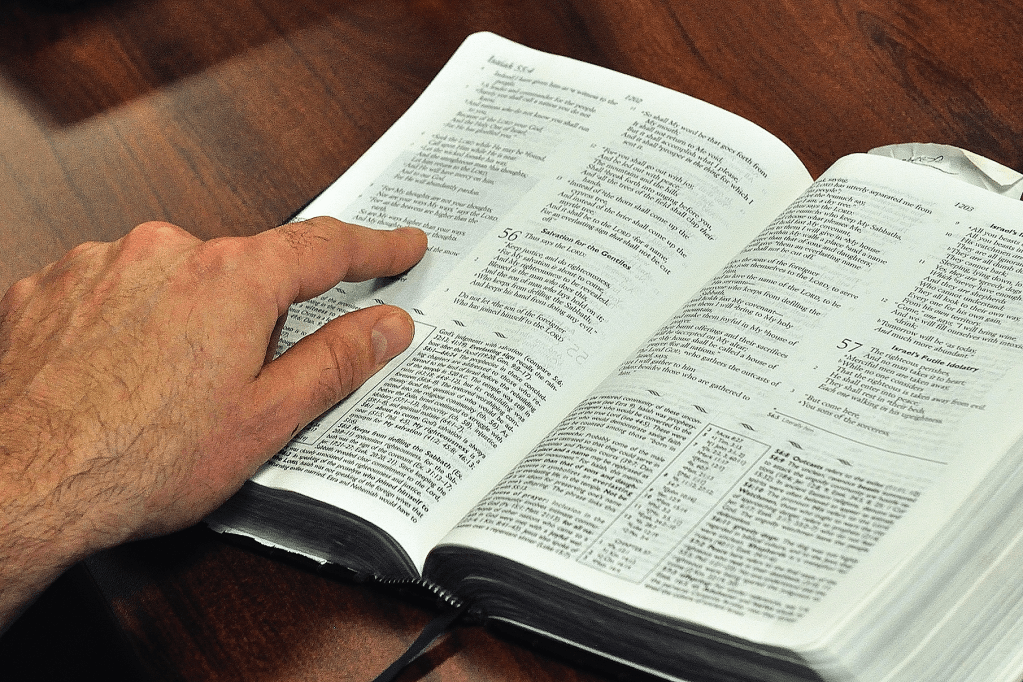
Is it true and accurate to scripture?
As preachers of God’s word, we need to be careful to say what scripture says. We need to be careful that we don’t misrepresent what God is says or misuse scripture to make it say what we want it to say. This means doing good research and study to ensure you are clear on what scripture says.
Did I present it correctly?
As we preach what scripture says, we also need to make sure we present this truth correctly. This could be ensuring we do not omit sections or aspects of scripture that we disagree with or do not like. We also need to remind ourselves that all of scripture speaks into the sermon of the day. Is there another side to the issue? Are there other scriptures that give a fuller view? Is there another scripture that needs to be referenced in order to give a complete picture of what is taught?
Did I explain the situation it was addressing?
There are times when it is helpful to give the background to the context of the scripture we are preaching on. It can help the listener first understand the message correctly, and secondly, figure out how to apply it to his or her own situations correctly. The historical background can give some meaning to why the author is addressing what he is addressing.
Was I wrong?
I ask myself this question sometimes because I want to make sure that I did not say something that was wrong or even hurtful. Yes, I need to present scripture accurately in a sermon, but I can choose what I say about it, or how I say it. If I did say something wrong, then I need to admit it. If I misrepresented God’s Word then I need to correct it.
Is a follow-up or clarification needed?
One sermon I preached brought a lot of response from the church members. Some who responded to me were thankful that I had said what I said. The sermon clarified something that they had been wondering about. The same sermon also brought responses from some who were pushing back against what I said. They did not like how I had interpreted what the verses said. Others were wondering how what I said fit with the rest of scripture. I began to realize, from both the negative and positive responses, that this was a topic that needed some more clarification. I decided to use the next Sunday to spend more time on the same scripture and the same topic, digging in a little deeper to explain how this fit with the rest of scripture and how I had come up with the interpretation and application of the verses that I did.
I was serving this church as a Transition Pastor, so it was a great opportunity to remind the church that their next Lead Pastor may occasionally teach something they disagree with and understand scripture differently than what each member personally thought. I tried to use this situation to encourage the church that their new pastor would likely have different opinions on some things and that was okay.

As preachers, we will occasionally say things that our audience doesn’t like. If their push back is against what God’s Word says, then it is an issue between them and God. If it is about something I said, then I need to make sure I was saying what was correct, and if not, apologize and correct myself.
Preaching God’s Word is a privilege. We want to handle it correctly.
Keep looking up,
Andy Wiebe
 Elevate with Andy