Looking Ahead With Clarity: Part 1: Where We Were

New Years is often a time of resolutions and goal setting. As we move to a new calendar year, we begin to dream about what could be. I would like us to consider the possibilities of what could happen in this new year. In the next 3 blogs I want to discuss how to look ahead with clarity, covering the following three topics: where we were, where we are, and where we want to be.

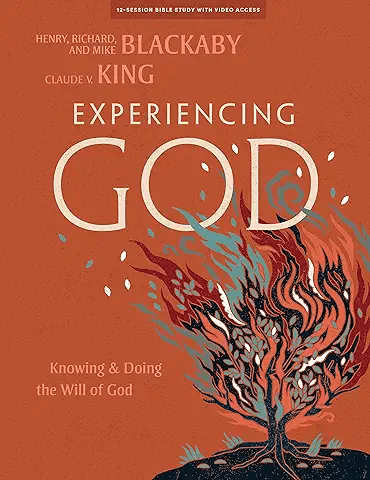
In order to look ahead with clarity, we need to first look back to see where we have been. The old Experiencing God bible study by Henry T. Blackaby (click for link to 2022 edition) identified the value of looking back at the past to gain clarity about what step God may want us to take next. Whether we are thinking of ourselves as an individual, or considering our church or organization, knowing and understanding our past can inform our future. It is rare that God will redirect us into a completely different direction than where He has already led.

Looking back helped my dad as he was making a change in his career path. My dad was a truck driver. That was his job. That was how most people saw him when I was young. At one point he decided God wanted him to become a marriage and family counselor. Some people thought this was a strange new direction for him to pursue. Others, who knew him well, said it made complete sense. They had already observed God using him to speak into other people’s lives and giving sound advice in the past. Becoming a counselor was not a drastic change but built on what God had already done in his life.

What Has God Been Up To?

As you look back over the last year or more, think about where God has been working in your life and how God has been using you. Has God been speaking to you about your life? There are times in life when every scripture we read or every time we talk with God in prayer that God impresses something on our mind or heart. There are times when, without us asking for it, a certain theme comes up again and again. Have you asked God what to do with that?

Have you seen God use you in meaningful ways with people and circumstances? Perhaps you’ve agreed to serve in a role because there is a need, only to find that God arranged for you to be in that place at that time to be a blessing to someone in need. God may use circumstances where you are exposed to a need you were not aware of, but God impresses the need on your heart, and you realize God is calling you to be part of the solution.

I know for me; I became convinced of God’s calling on me to be a pastor as I saw how He used me in my pastoral internship. It was while preaching a sermon during that period that I felt a clear call from God to serve as a pastor. That circumstance became a clear on my life. Similarly, a church may see a number of single mothers attending their church and realize God is calling them to a special ministry with them. Has God already been using you in a certain way that may give you direction for what’s next?

Has God been teaching you things that could be preparing you for something new? God can teach us in a number of different ways. It may be formal training at a school or college or hands on training in an apprenticeship. We also learn a lot just from experiences we go through. Each of these ways of learning can help us see God’s direction on our lives. As God teaches us over time, we get a clearer picture of what He is preparing us for next.

Evaluate the past in light of your relationship with God and His work in and through you. Recognize the value of knowing where you have been in order to get a sense of where to go next. What new beginning may be waiting for you as you step into the new year?

Please leave a comment, let me know how your past has helped you see the future more clearly.

Keep looking up,

Andy Wiebe

The Importance of Critical Assessment

Now the Berean Jews were of more noble character than those in Thessalonica, for they received the message with great eagerness and examined the Scriptures every day to see if what Paul said was true.

Acts 17:11

There are times when we need to critically assess certain things. The Bereans in the verse above were carefully assessing the good news the Apostle Paul shared with them in order to determine if what he said was true or false. Rather than writing him off, as some other towns did, the Bereans understood the value of examining the situation carefully and responding appropriately.

There are many times in the work of the church or an organization where critical examination is beneficial. Hare some examples of areas that require careful assessment.

Programs

Churches often begin a new program with excitement and a hope that it will be meaningful and accomplish a certain purpose. The program may succeed and serve the church well, but there may come a time when the program no longer serves the same purpose, or something else might serve the church better. If you do not assess the program critically, you may be holding on to something that no longer has value. Instead, ask these questions regularly:

  • What is the goal of this program, and is it achieving that goal?
  • Is this the best program to achieve that goal?
  • Would the church be best served if this program was dissolved, or replaced?

Budgets

In my years of serving the church I have been part of many budget-setting meetings. It is surprising how often a budget line is approved or denied without real assessment of its value.

Sometimes budget amounts are simply left as is, or increased slightly because of overspending the previous year. This lacks critical thought process about why each amount is designated for each area.

In my years of serving the church I have been part of many budget-setting meetings. It is surprising how often a budget line is approved or denied without real assessment of its value. Sometimes budget amounts are simply left as is, or increased slightly because of overspending the previous year. This lacks critical thought process about why each amount is designated for each area.

Some churches invite program or ministry leaders to submit budget requests. This might require that some assessment take place if those leaders prayerfully determine what their plans and expenses are for the next year, while keeping the vision in mind. The following questions could be helpful:

  • What is our ministry plan for the next year?
  • What expenses will we ask the church to fund, and why?

New Hires

As a Transition Pastor, I am continually working with churches who are looking for a new pastor. I am hired to help them make a wise choice. This includes asking the leadership questions to help them assess each candidate carefully. When a church has been without a full-time pastor for a period of time, there is a desire to find their next one quickly. As they receive resumes, it is easy to fall in love with a candidate without being critical enough. While it seems harsh to the average church leader, you must evaluate your candidate according to some strict expectations. You want the right person, not just someone who seems nice. Here are some questions to ask regarding the candidate:

  • How closely does this candidate match your job description?
  • Are the candidate’s beliefs and philosophies closely aligned with the church’s?
  • Will this person be the best one to lead your church toward its goals?

There are many other areas a church leader needs to assess critically, and there are many other questions to ask in the evaluation process, but most importantly, do the critical assessment necessary to ensure you have the best results moving forward.

Keep looking up,

Andy Wiebe

Book Reviews: Andy’s 2023 Reading Experience

I will be sharing a brief review of every book I read this year. Hope you enjoy and hope it encourages you to keep reading.


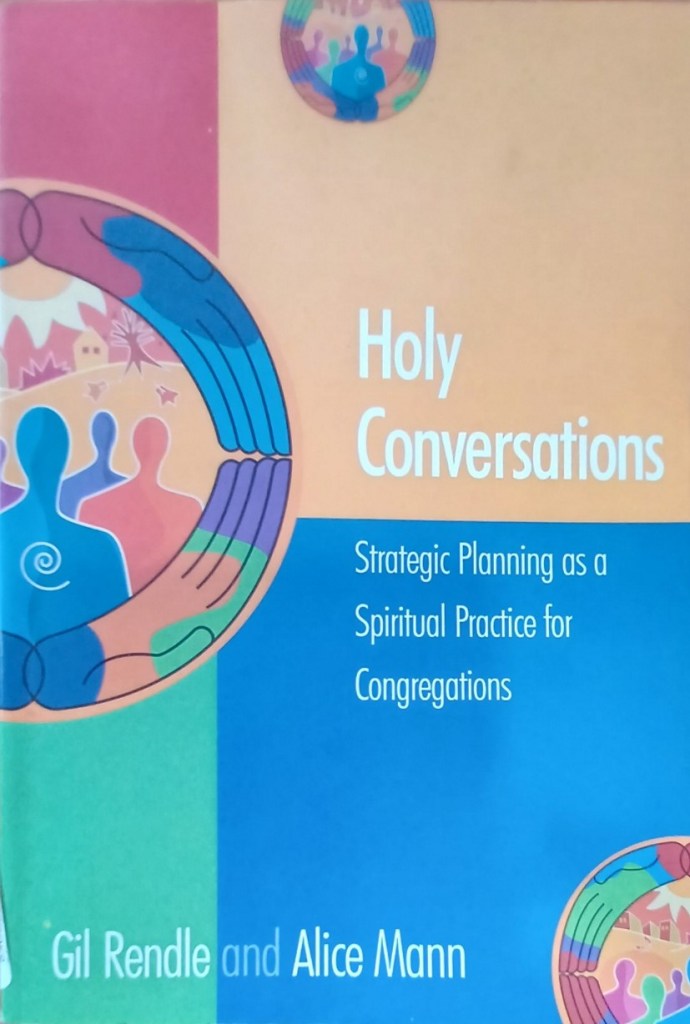
HOLY CONVERSATIONS – by Gil Rendle and Alice Mann

Holy Conversations: Strategic Planning as a Spiritual Practice for Congregations, is a practical workbook for anyone who is looking to lead a congregation to a unified vision and purpose. This book would be especially appealing to those who have little or no experience in leading a church through vision setting and strategic planning. They offer a number of examples, resources, and tools in the appendix that you could use as is or adapt to your local setting. If you are looking to lead a congregation to become more purposeful and with a unified mission, consider this book as a resource.

Elements of A Spiritual Checkup

I visited the dentist this week for what most people would call a regular checkup and teeth cleaning. Though since it had been seven years since my last checkup, it was not very “regular”. But as I was sitting in the chair, I began counting how many people were involved in my checkup. There was someone at the front desk, another taking my forms, someone doing the x-rays of my teeth, someone else to clean my teeth, and one or two others supervising. And that was all before I even saw the dentist! And then after, someone else fitted my teeth for a guard.  Each person had a specific role to play in making sure I received a full checkup and a thorough cleaning, and proper advice for caring for my teeth.

As I was lying in the chair, I began thinking of how this might compare to a thorough spiritual checkup. I would venture to say that we don’t take our spiritual checkups as seriously as this dentist and his team. Yes, many of us regularly read the scriptures and pray. We attend church regularly, and even examine our hearts before receiving communion, but might we benefit from more. If we were to have a thorough spiritual checkup, what might it look like? And would we be better served by having someone else walk us through it, or could we do an accurate enough checkup on our own?

Determing the present reality.

I don’t know if we need five of six specialized individuals to guide us, but we would benefit from a similar experience spiritually. We could have a trusted friend or a counselor or pastor walk through this process with us, or we could try it on our own. We could begin by looking at our spiritual condition.

Take inventory of reality. What does your spiritual life look like right now? In the same way a dental checkup begins with x-rays to identify the current situation, checking our spiritual life should start with an initial evaluation of what the situation is. Do we need some x-rays of our soul? With the psalmist we could ask God to examine us:

Search me, O God, and know my heart;

    test me and know my anxious thoughts.

Point out anything in me that offends you,

    and lead me along the path of everlasting life. (Psalm 139:23-24)

It’s rare that we can accurately identify our own state (otherwise, why would I need the x-ray in the first place?), so it can help to ask others in our lives who know us well. We could ask the people around us  what areas in our spiritual lives they see us perhaps needing improvement?

Ask God to guide the process of taking serious inventory of your spiritual condition.

A thorough cleaning.

Though I brush my teeth (probably not as often as I should), I still benefit from a professional to do a cleaning. In the same way, I can’t do a thorough cleaning of my own soul on my own. Instead, ask God to do a thorough cleaning of your soul. The initial evaluation shows you habits you need to remove, or sins you need to confess. Next, ask God to forgive. Wash me clean from my guilt. Purify me from my sin. (Psalm 51: 2)

After the regular cleaning, where God purifies your soul again and again, you can celebrate: our guilty consciences have been sprinkled with Christ’s blood to make us clean, and our bodies have been washed with pure water. (Hebrews 10: 22)

Maintaining spiritual health.

The dentist pointed out where some issues were occurring in my teeth and suggested some methods of caring for my teeth. He also suggested a teeth guard to wear at night. Going to the dentist isn’t very helpful if I stop caring for my teeth once I leave the clinic. In the same way, after reviewing your spiritual health and asking God to forgive those sins you have allowed to creep in, don’t continue in those old ways.

Instead, consider: what are some things I will do differently going forward, to protect my spiritual condition and even to make it better? This might be recommitting to reading the Bible regularly, maybe choosing a plan to follow. It might include reading books to help you grow. Decide what will help you be more spiritually healthy as you go on with life.

While there could be many more elements of a spiritual checkup, these are the key ones. If you aren’t sure how to start, you might want to talk to a pastor or work through this with a trusted friend.

May you be spiritually renewed going forward.

Keep looking up,

Andy Wiebe

The Protecting Role of the Leader

Few leadership books address the protecting role of a leader. Yet, if you are a leader, you a responsibility to protect those who are following you from distractions that will stop them from following you or moving toward your vision. Business leaders, too, must ensure that they are aware of outside forces that might derail those under their leadership from pursuing their purpose and vision. This might happen in various ways, such as someone speaking negatively about you and the goal you are pursuing or the distractions of life that keep your team from being fully focused on the task at hand.

Church leaders – pastors and elders – need to understand their protective role too. Even as they are looking to help people grow in their knowledge of and love for God, they need to be aware of the influences that can undermine their leadership. Let’s consider a few influences that a church leader may need to protect their congregation from.

False teaching

Much of the church leader’s role teaching. The church needs to be taught about who God is, how to love and obey Him, and how to communicate with Him in prayer. Leaders use the Bible as their main teaching tool and the basis for all they believe.

False teaching is ideas and teachings that conflict with scripture. If a church is begins to follow false teachings, church leadership should steer them back to the truth of scripture. Church leaders need to recognize when someone within the church is misleading people and needs to be corrected or even removed.

False teaching can also creep in from the world. Our culture influences us all as we live in it. In the same way the early church lived within a culture that often opposed Jesus’ teachings, there are some things being taught and accepted in our culture that are in direct opposition to God and His Word. For example, it is not okay to end a pregnancy just because it is seen as an inconvenience. God is clear that all life is precious and He is the only one who can determine the end of someone’s life. Similarly, euthanasia is becoming common in Canada, where you can choose to end your life medically, for a number of reasons. Again, life is precious and only God can determine the end of someone’s life. Church leaders need to remind their church of what God teaches in the Bible so they can recognize when what they hear or see does not match up to God’s Word.

Attempts to derail the vision

The church exists to help people love God and love others. To do this, many churches have an agreed-upon vision that guides them. They have spent time praying and talking together and gaining an understanding of the needs of their community. As a result, they have come up with a vision that is their response to the needs around them. It is important for churches to adhere to this vision. For example, if you are a church that believes your main role is to reach out to the poor in your community, then protect your church from those who are pushing for you to do more to reach the professionals in your town. No matter what your vision is, there will be some who do not agree or fully buy in. There may also be some who deliberately try to derail that vision and cause confusion in your midst. You need to protect your congregation from that confusing voice. Questions and debate have their place, but you want to make sure that people have a clear understanding where you are going and why.

Busy people

Churches often fall into the habit of making people busy in the church with all kinds of activities. Church leadership needs to recognize when some of the good things going on need to be removed. Leadership needs to protect people from busyness that prevents them from being able to participate in pursuing the church’s vision.

There are times church leaders need to make some very difficult decisions about what ministries need to be cut so people have time to do what is more important.

Satan

Of course, the one who truly wants to mess with the church, with the followers of Jesus who make up that church, is the evil one – Satan. He has messed with people right from the time of Adam and Eve until now, trying to confuse us and doing all he can to make us wander away and deny God. Church leaders need to protect their people from Satan’s attacks. They need to regularly pray a covering over their church. They need to remind people that we do not fight against flesh and blood but against principalities and powers of the unsee world. Even when people are doing wrong and causing disruption in the church, it is Satan who is behind their actions.

Church leaders, you have a role of protecting your people, even as you lead them. Be aware of what is going on and when you need to confront or speak up about where people are being misled. Ask God for wisdom and discernment in the process so you can recognize when danger arises and how to combat it.

Keep looking up,

Andy Wiebe

Am I Qualified for Church Leadership?

Leadership within the church is similar to leadership anywhere, because it is leading people. Yet it is quite unique in that you are asked to lead people on a lifelong journey toward Christ. This is not about building a business, though some business ideas can work in a church as it grows. This is not about pushing your personal brand or a personal vision that your employees all work toward. Instead, church leadership is first about God, and secondly, about people. It is about God’s vision for the world and His specific vision for your church in the part of the world where you are located. God’s vision is about drawing all people to Himself. It is about helping others to come to know God and pursue holy living.

When you are first elected to your position on a leadership board at your church, you may wonder if you really belong there. 1 Timothy 3:1–7 and Titus 1:6–9 are two examples of scripture that identify the qualifications of an elder. Basically, these say that an elder must show evidence of a relationship with God through faith in Jesus and filling of the Holy Spirit, as well as evidence of being a leader already, specifically in your own home.

None of us is perfectly Holy. None of us is exactly like God or as good as God. We are humans, saved by grace, and pursuing a relationship with Jesus that helps us become more like Him every day. But none of us can say to those following us, those in the rest of the church: “If you do exactly what I do, or live exactly like me, then you will be good.” All of us have faults. All of us are attacked or influenced by Satan and his various means of tempting us. It is important that we realize we are not perfect. This will help us have more patience when working with others who are also not perfect.

There is a big difference between those who are walking toward Christ and those who are walking away from Christ. There are some people who will declare they are Christians and may have prayed a prayer at some point in their life, but who are regularly and continually walking away from Jesus. These are people who are living with a certain sin and have found a way to live with it and be okay with it. And they want others to agree that it isn’t really that bad. There are most likely some in your church, but hopefully not on your leadership board.

There are some Christians who are clearly walking toward Christ. They are trying to become more like Jesus every day. They spend time with him in prayer and talk with him and listen to him regularly. These are people who recognize how sinful they still are, but who keep getting back up after each stumble in sin, ready to pursue Christ again. These are the people who love Jesus and want others to come to love Him as well. Does this sound like you? Then I would think you may very well be a candidate for leadership in the church.

We must recognize we are not perfect, and yet we are pursuing Christ. What else might make someone a good candidate for leadership? This might sound wrong, but often good leaders are ones who have not sought it out. They haven’t been campaigning the nominating committee or tried to show they knew better than the existing leaders. These are the ones who recognize how far they come short from the holiness of God. These are the Christians who recognize they have so much to learn. But these humble and gracious individuals are great for the board because they will never lord it over anyone. Some boards love the power and take advantage of people because of their position. A leader who is hesitant and not clamoring for attention will probably be a much kinder leader.

A leader in the church should also believe that God has asked them to serve in this position. While not a personal attribute that qualifies a person, there should be no doubt in a church leader’s mind that they are there because God wants them there. This may be affirmed by God speaking in whatever way He speaks to that person: highlighting a verse in Scripture, or a voice, or an impression, or even just the belief that God is guiding the membership as they elected that person to this position.

Sure, it might be nice to have some leaders who have Bible education, or who have experience, or who have natural charisma that draws people to them, those are not necessarily what makes a leader in the church. First, Love God with your whole heart and serve him, second, love people with a humble heart, and third, trust that God has placed you where you are. While there could be many other qualities we may look for in a church leader, these are key.

Are you a church leader? Lead with humble service before God, with the best in mind for the rest of the church, and with a deep faith that God will enable you to do your best where He has placed you.

Serve well, and keep looking up,

Andy Wiebe

Boor Reviews: Andy’s 2023 Reading Experience

I will be sharing a brief review of every book I read this year. Hope you enjoy and hope it encourages you to keep reading.


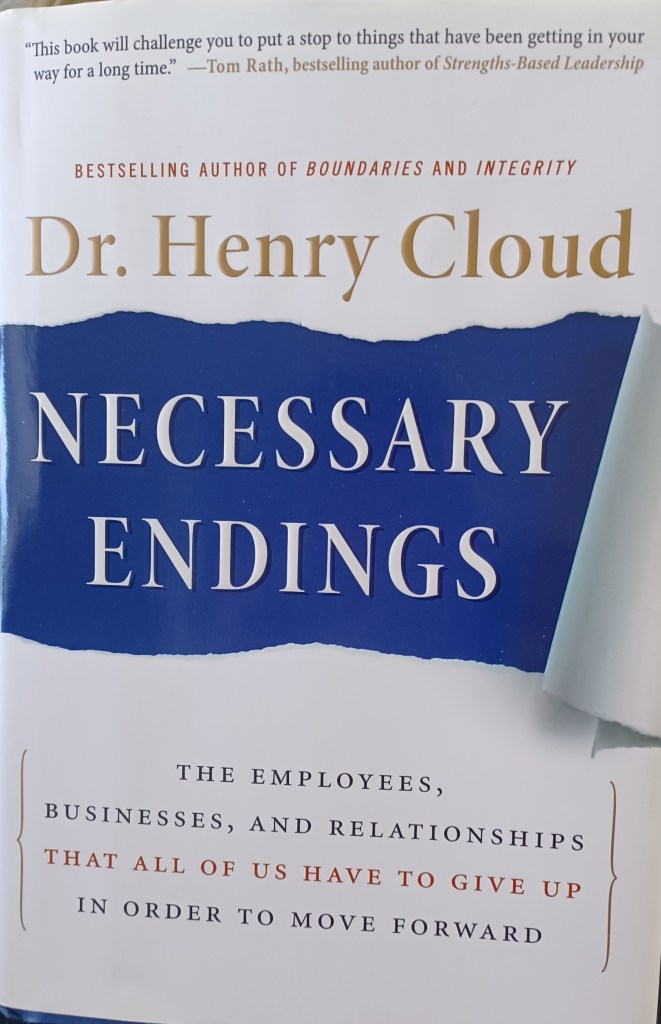
NECESSARY ENDINGS – by Dr. Henry Cloud

In Necessary Endings: The employees, businesses, and relationships that all of us have to give up in order to move forward, Dr. Henry Cloud explains why good endings are needed for good beginnings. He uses a number of great examples to show how appropriate endings at the right time can be very positive for you personally and for the organization you are part of or leading. Some endings are forced on us, and some are ones we choose, in either case we can determine how we will use that ending as an opportunity for something new. When you end something, you have room for that next thing that can be even better than what you just ended. A very helpful book!

Is Your Church Alive?

There’s a church I drive by occasionally. Each time I do, it makes me sad. I drove by it just the other day and noticed how dilapidated it was. You see, I attended that church a few times many years ago. I remember how excited the people were. The building was new, and still in the process of being completed. The congregation was already meeting there in the fellowship hall even though the sanctuary was not yet completed. They were looking ahead with excitement and anticipation. There was laughter and the noise of young children. While I was only a visitor, I could tell there was a sense of expectation as they had raised enough money to get to where they were now. They had outgrown a smaller, older building and were in good spirits.

Now, as I drive by and remember that excitement, instead of giving me a sense of hope, I feel sad. The building looks run down. The gravel parking lot now has twelve-foot-tall trees growing in it. I didn’t see a cross on the building anywhere. And I wondered what happened. What happened to the excitement of that forward-looking congregation? Did they finish the building? Did people move away? Why did they not continue to grow?

I think back to the church where I first started as a young pastor. I was on staff as the youth pastor. That church no longer exists either, and it makes me sad. I know some of what happened there, but that doesn’t make it any better. I know the great history they had of sending and supporting missionaries. They were part of planting other churches, but they lost their way. Over time, more and more people left. Eventually the denomination shut down the church. While that church experienced a lot of loss, one good thing is that the building is still being used for ministry purposes, but that church of people no longer exists. What a sad ending for a church that had prospered over the years.

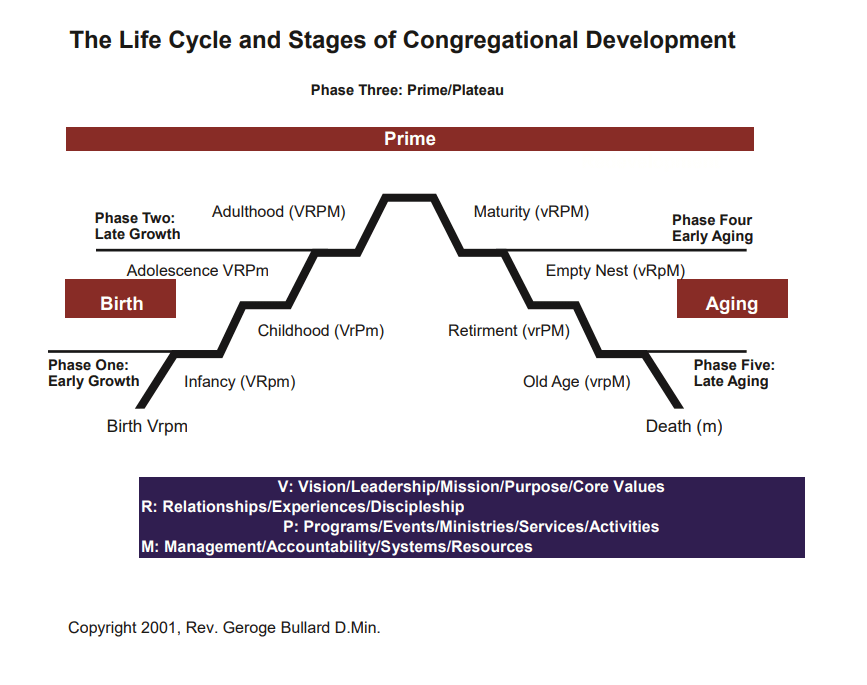
Just this week, as part of a class I am taking, we were given a handout by George Bullard entitled: Will Your Congregation Still Exist Ten Years From Now? His research has led him to this list of 25 Factors That May Impact Your Survivability, Vitality, and Vibrancy. Bullard invites churches and church leaders to evaluate their church by a set of 25 categories such as: vision, true relationships, high expectations of members, and a well-maintained facility . His research has concluded that there are at least 25 different things that can impact a church’s life expectancy.

Most of us never consider that our church may die. We just go on with our activities as if it will go on forever. But we need to do some serious evaluation from time to time. We need to look at the church with critical eyes – not to criticize but to evaluate boldly. And then we need to decide to correct what needs correcting. When this is done regularly and early in your church’s life, the changes made to correct occasionally may be small, but if your leadership has not evaluated your church and made adjustments over the years, there will come a time when you will need to make drastic changes. Some pruning will be required as you prayerfully cut out what is diseased and a distraction from what God has called your church to be.

If the evaluation and correction process is not something you are familiar with or equipped to handle, then call in someone who can. There may be resources available through your denomination, or call in a church coach or consultant. We are trained to walk a church through this process in a meaningful way. Whichever path you choose,  do not just give up and hope the church will correct itself without the necessary work needed.

Churches and organizations need regular evaluation and appropriate action to correct where things are not going as they should. Don’t be scared to tackle this important yet painful process. Be more afraid that not doing anything will lead to the death of your church!

So call in someone to help. Contact someone like me to help you.

Keep looking up,

Andy Wiebe

5 Steps to Maintaining Unity When Confronting Divisive Issues

We can all do a pretty good job of getting along when everything is going our way. We can enjoy time with people and think they are pretty good friends. Life is good when no one challenges me or my ideas. But what do we do when someone we thought we were on good terms with ends up on the opposite side of an issue?

The church I am presently serving is facing an issue that is fairly divisive. I won’t tell you what the issue is. You can insert your own issue as I address how we are attempting to maintain unity even as we deal with a divisive issue.

  1. Clarify the Issue

Whatever the issue is that you as a church or organization or team are facing, make sure that you clarify the issue. We thought we had been quite clear on the issue, but we realized that even after weeks of talking about it, people were confused. Do everything you can to make sure everyone knows exactly what you are talking about.

I remember a story of three men going into business together. They had rented a building and were setting up their restaurant. And then a problem arose. One of the men started talking about where he wanted the buffet area. A second interrupted him and told him clearly that a buffet was not part of the plan. They were going to have people come to the counter to order and pick up their meals. By now the third man was getting a little agitated. “I thought this was a fish and chips place!” We have to clarify the issue, and sometimes it means talking about it again and again to get down to what the real issue is so effective communication can take place.

2. Gather Supporting Information

For us, this was a decision that would affect some of our bylaws, so we had to make sure people understood what the bylaw was that was affected by the decision we were about to make. It was an issue that we believed had spiritual connotations, so we made sure to provide documents to our membership with scripture verses and explanations of how they spoke into the question at hand. We did some historical checking to see how this situation had been handled in the past. We even contacted our denominational office to get their input.

3. Prayer

We made sure to pray about this event. We encouraged people to pray on their own, we prayed about it in our services, and we prayed about it at leadership meetings. We prayed about it at discussion meetings we had regarding this question. We asked God to give us clarity and unity in the process.

4. Discussion Events

We hosted one formal evening of discussion on the topic. We recognized that there were people on either side of the question. Each side felt they had scriptural backing to why they believed what they believed. We determined not to enter into a debate. We did not want to set up a situation where we caused people to publicly take sides against each other. So we arranged for a time to carefully look at both sides of the issue. We invited people to speak up, but only in a positive way. No one was allowed to speak against an issue, they could only speak for their side. In this way, everyone was given opportunity to speak into the issue without it being against an individual.

As an aside, it was very encouraging to me as we ended that Discussion Evening, that many present stated their commitment to the unity of the church even if the vote did not go their way when decision time came. They were more concerned about protecting unity as one family or body, than about fighting for their point of view!

5. Make a Decision

At some point you have to decide how you will answer the question at hand. Like us, you may want to have a formal vote by the membership. You will need to decide at which level of authority in your church or organization that decision needs to be made. We encouraged our people to vote as their conscience directed after all the discussion and prayer we had. And then, whatever way the vote went, we trusted that God spoke into our situation and moved ahead according to the results of the vote.

Once a decision has been made, it is important to recognize that not everyone will agree with the decision as you move forward. Be alert to situations where people are having a hard time accepting the decision and take time to walk them as they process the results. You may need to meet with some individuals who are slow in processing the results so that you can help them move forward, encouraging them to trust God will continue to walk with us even as we trusted him to guide our decision process.

May God guide you with divisive issues you face. Too often, we become so closely tied to the issue that we would rather cause disunity than lose out on a vote. May God guide you and help you maintain unity as you too work through issues that could divide.

I would love to hear how you have worked through divisive issues and what worked for you. Let me know. Comment or email me.

Keep looking up,

Andy Wiebe

Book Reviews: Andy’s 2022 Reading Experience

I will be sharing a brief review of every book I read this year. Hope you enjoy and hope it encourages you to keep reading.


WHAT TO DO NEXT – By Jeff Henderson

I highly recommend What to do NEXT: Taking Your Best Step When Life is Uncertain to anyone who is contemplating a possible move to a different position at work or a change in career or even just a change out of something when you are not sure what is next. Jeff Henderson reflects on his own recent journey of change of career, along with a number of helpful stories, to provide a helpful guide to anyone wishing they were somewhere else or doing something else. Many of us have faced transition in the last couple of years. This book may help make sense of transition you had to make and are now trying to cope with as well. A very helpful book.