Fruitful Leadership#8: Gentleness

The eighth fruit of the Spirit that a Christian leader should demonstrate is gentleness. In some places the word is translated as “meekness” or “humility.”

Strong’s concordance defines this word as either “gentle strength” or “gentle-force” (https://biblehub.com/greek/4240.htm). When we see a 6-foot 300 pound muscular man we may see someone with incredible strength. People who know him may describe him as “big Teddy bear” because they know that he is gentle, keeping his strength restrained.

Gentleness does not mean a lack of power, but the ability to hold that power in check. There are some leaders who run roughshod right over those in their way. They have power and strength and authority and have no problem using it to the fullest extent as long as they get their way.

God has gifted some individuals with leadership abilities who use this gift to lead without much consideration for those they lead. It seems they think their natural charisma or the role they hold, gives them the right to mistreat others. Leaders with this perspective view people as resources to accomplish their purposes. Instead, the gentle leader demonstrates confidence and strength in tandem with care and consideration for those they work with and serve.

Leading in this way does not show the fruit of the Spirit called gentleness. Gentleness is accompanied by the other fruits of the Spirit we already looked at: love, joy, peace, forbearance, kindness, goodness, faithfulness. The gentle leader can still be a strong and confident leader but ensures that they lead with concern for people and how their actions affect others.

The gentle leader has a clear mission and vision that they promote and holds others accountable for their actions in light of this mission and vision. They may have to have tough conversations with those who do not alight with the mission and vision and are not meeting expectations, but these conversations are handled with care. The leader can correct or even remove others from their role if necessary, while caring for them as a person. Emphasis is placed on how they are not meeting expectations rather than moving to personal attacks or treating them unkindly.

Gentleness, or meekness, is not an excuse to ignore issues that need to be addressed, whether it is interpersonal relationships on a team, or a lack of effort and poor results from a team member. Confrontation and correction are still viable options for any Christian leader. The issue is about how that is handled.

As a pastor and leader, I need to regularly ask God for wisdom in how to handle situations and how to deal with people. We can trust that the Holy Spirit can give us the ability to handle problems and people in a way that is firm but gentle and kind. We can demonstrate a gentle attitude even as we provide quality leadership.

A gentle leader can lead with strong direction while still respecting the individuals involved. May the fruit of the Spirit of gentleness be evident in your leadership.

Keep looking up,

Andy Wiebe

We All Need Someone to Lean On

Many pastors are lonely. Many don’t have a team of staff to talk things through with. Recently I have again recognized the value of having other pastors to talk with and connect with. I have the privilege of being part of a few groups of pastors, but it has been a while since the one group has met and I realize I miss those get togethers.

In 2023 Barna.com shared a poll that highlighted the loneliness and isolation of pastors. Their poll shows “these feelings have increased significantly since 2015 when 42 percent of pastors shared they either frequently (14%) or sometimes (28%) felt this way. Now, 65 percent of pastors report feelings of loneliness and isolation, with 18 admitting these feelings occur frequently.” (7-Year Trends: Pastors Feel More Loneliness & Less Support)

As pastors, we need to take initiative to connect with others who understand what it its like being a pastor. Pastors can relate to us and pray for us in a way that others can’t. We all need good friends, and many of us have very supportive and encouraging families, but we do need to have other pastors in our circles too.

Many denominations have regular gatherings for local pastors. Take advantage of those. These are people who are in your circles and understand your church dynamics. In some places, there may not be others in the same denomination nearby; instead, connect with other pastors in your community. I have benefited greatly from connections with pastors from other denominations. We have different theological stands on some issues, but we all deal with the same day-to-day struggles of working with people and trying to have the answers our congregation needs.

One of the benefits of connecting with other pastors is that we can have people in our corner who understand us. Like any profession, it can be difficult to explain some aspects of being a pastor to others who are not. It is easier to celebrate and commiserate with people in the same field.

Other pastors may also be able to speak into our lives, offer words of encouragement, or ideas on how to handle certain situations we face. This is valuable support that requires you to open up to others.

Sometimes other pastors can help us develop our creativity as we hear of unique ministries or programs they run. We can help each other become better. Proverbs 27: 17 applies here:

As iron sharpens iron,
    so one person sharpens another.

Do not be satisfied with your loneliness. Find other pastors to connect with, and encourage them as they encourage you.

Keep looking up,

Andy Wiebe

Half a Century of God’s Faithfulness!!

I just realized the other day that I have been a follower of Jesus for 50 years – and God has sure proven His faithfulness! I was about seven years old when my dad prayed with me, and I surrendered my life to Jesus. Next month I turn 57. And God has never failed me over all those years. I have experienced what Deuteronomy 7:9 declares, “Know therefore that the Lord your God is God; he is the faithful God.”

God has proven his faithfulness in always being there for me, in good times and bad. He has been there when I was so disappointed in Him that I deliberately tried to ignore Him for a period of time. I was frustrated how my life was going and began to wonder if God would ever intervene. That attempt to give God the cold shoulder didn’t last for too many days, because no matter what, God has always been there. He was never far from me. Romans 3:3-4 declares God’s faithfulness even when we are not. “What if some were unfaithful? Will their unfaithfulness nullify God’s faithfulness? Not at all!” And God has shown His faithfulness as I have learned to get to know Him better over the years. When I think back to the simple faith of seven-year-old me and the way God has proven His love in ever deepening ways, I am so thankful that faithfulness is one of God’s attributes!

I have experienced God’s faithfulness in his forgiveness. As scripture declares in Romans 5: 8, “But God demonstrates his own love for us in this: While we were still sinners, Christ died for us.” He loved me while I was a sinner, and he loves me as I continue to struggle with sin. And like the patriarchs of the Old Testament, God has used me in meaningful ways even as I fall short of His best for me. God working in and through me has allowed us to be part of some unique experiences like helping a church grow in a school and then move into its own building, and putting on Easter events for the community that drew three times as many people as we usually saw on a Sunday.

God has been faithful in giving me a great family! I have a beautiful wife, who is clearly a gift from God. We have two beautiful and competent daughters! Again, clearly gifts from God! And He has helped us through many difficult things. We have had family health scares but known God’s peace in those as He walked with us. We have had times of financial strain, without a house, without a job, and unsure about what was next. God arranged for a job that provided us with enough finances to buy a house after two years. We have experienced answers to prayer, from finding skates for a great deal to healing when we needed it.

The faithfulness of God is evident as I look back over the years to how God directed us to certain churches and communities to live and serve in for awhile. While there were a few disappointments along the way, it was clear that God directed us to the places where we could fit and serve Him well. He has given us many great memories from the different places we served.

God loves people. He loves to welcome them into His family. And He loves to walk with them for the rest of their lives! I have experienced that in many personal ways. It is so good to never have to worry if He will still love us if we do something wrong, or if He might ignore us or no longer respond in love. “Know therefore that the Lord your God is God; he is the faithful God.”

Keep looking up,

Andy

Book Reviews: Andy’s 2024 Reading Experience.

I will be sharing a brief review of every book I read this year. Hope you enjoy and hope it encourages you to keep reading.


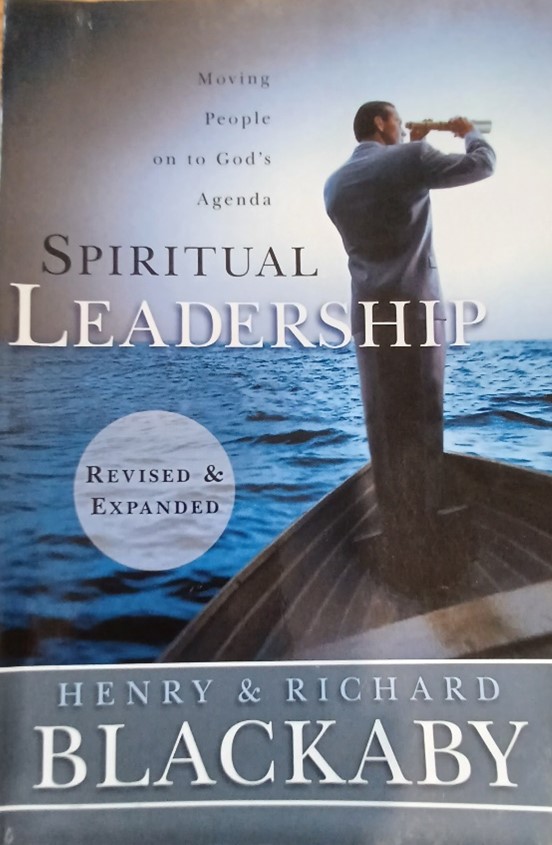
SPIRITUAL LEADERSHIP: Moving People on to God’s Agenda – by Henry & Richard Blackaby

Spiritual Leadership is one of the better leadership books I have read. The authors highlight that spiritual leadership is all about God. It is about moving people in the direction God wants them to go, about listening to God for how to lead well, and listening to God about what direction to lead. I appreciate how they point out that spiritual leadership is not the same as leadership in general. In fact, they begin the book with this statement: Spiritual leadership is not an occupation: it is a calling. Christians in any area of leadership should be spiritual leaders. This is a great book for any Christian who wants to lead well.

Looking Ahead With Clarity: Part 1: Where We Were

New Years is often a time of resolutions and goal setting. As we move to a new calendar year, we begin to dream about what could be. I would like us to consider the possibilities of what could happen in this new year. In the next 3 blogs I want to discuss how to look ahead with clarity, covering the following three topics: where we were, where we are, and where we want to be.

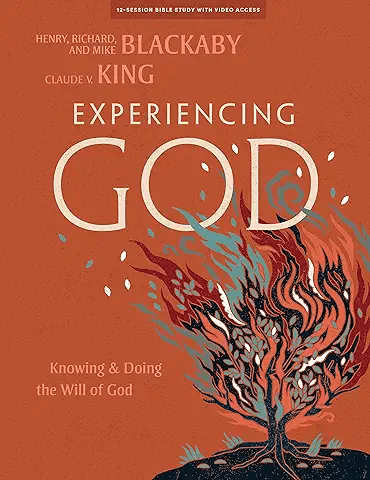
In order to look ahead with clarity, we need to first look back to see where we have been. The old Experiencing God bible study by Henry T. Blackaby (click for link to 2022 edition) identified the value of looking back at the past to gain clarity about what step God may want us to take next. Whether we are thinking of ourselves as an individual, or considering our church or organization, knowing and understanding our past can inform our future. It is rare that God will redirect us into a completely different direction than where He has already led.

Looking back helped my dad as he was making a change in his career path. My dad was a truck driver. That was his job. That was how most people saw him when I was young. At one point he decided God wanted him to become a marriage and family counselor. Some people thought this was a strange new direction for him to pursue. Others, who knew him well, said it made complete sense. They had already observed God using him to speak into other people’s lives and giving sound advice in the past. Becoming a counselor was not a drastic change but built on what God had already done in his life.

What Has God Been Up To?

As you look back over the last year or more, think about where God has been working in your life and how God has been using you. Has God been speaking to you about your life? There are times in life when every scripture we read or every time we talk with God in prayer that God impresses something on our mind or heart. There are times when, without us asking for it, a certain theme comes up again and again. Have you asked God what to do with that?

Have you seen God use you in meaningful ways with people and circumstances? Perhaps you’ve agreed to serve in a role because there is a need, only to find that God arranged for you to be in that place at that time to be a blessing to someone in need. God may use circumstances where you are exposed to a need you were not aware of, but God impresses the need on your heart, and you realize God is calling you to be part of the solution.

I know for me; I became convinced of God’s calling on me to be a pastor as I saw how He used me in my pastoral internship. It was while preaching a sermon during that period that I felt a clear call from God to serve as a pastor. That circumstance became a clear on my life. Similarly, a church may see a number of single mothers attending their church and realize God is calling them to a special ministry with them. Has God already been using you in a certain way that may give you direction for what’s next?

Has God been teaching you things that could be preparing you for something new? God can teach us in a number of different ways. It may be formal training at a school or college or hands on training in an apprenticeship. We also learn a lot just from experiences we go through. Each of these ways of learning can help us see God’s direction on our lives. As God teaches us over time, we get a clearer picture of what He is preparing us for next.

Evaluate the past in light of your relationship with God and His work in and through you. Recognize the value of knowing where you have been in order to get a sense of where to go next. What new beginning may be waiting for you as you step into the new year?

Please leave a comment, let me know how your past has helped you see the future more clearly.

Keep looking up,

Andy Wiebe

Pushing Past Nervousness!

I remember the first time I had to speak publicly to a large crowd. It was only to make an announcement, but I was shaking so bad I didn’t know if I would be able to get the words out. Most of us will be nervous at some point, but if we want to lead, we need to push past the nervousness. Instead of just avoiding leadership, we need to find a way through. Too many people are willing to ignore their interest in leadership rather than learn how to get through it.

I’ve been in roles that require public speaking for 30 years, and still experience nervousness – though not quite like that first announcement I made years ago. Let me share some of the things I do to help me push through.

Prepare Well

I still get nervous from time to time, especially if I am leading something new or if it is a special event that we have worked towards for a while. My first step in dealing with my nervousness is to make sure that I know what my role is. If it is to make a speech, I write it out. If it is to lead an activity of some kind, I make sure I have all the directions written out step by step. Sometimes it is helpful to consider what questions others may ask as I lead, so I can address those in my write-up.

If I need any resources or props, I gather them ahead of time, and place them where I will have access to them as needed. If I am depending on others for assistance, like someone running the presentation slides for me, I make sure the presentation is easy to follow with a clear guide on how they can follow along.

Create a Step by Step Plan.

While this may be part of preparing, I want to make sure I point out that a clear plan helps calm my nerves. If I am preaching or making a speech, I need my script or outline. When leading a meeting I want to be clear on what will happen when, and make sure that my supporting documents are in the order of the agenda. I want to have my documents ready to go, and be ready to call for decisions to be made or actions to be created.

The clearer I am in my head as well as on paper, the less nervous I am.

Do a “Walk-through” Practice.

I like to physically enact the event if possible. This means talking through the talk or reading over the agenda to make sure everything makes sense. It’s a little like the basketball player who shoots 100 baskets every morning. The more we have already “experienced” an event, the more likely we will be more comfortable when the real things comes and execute it better. The practice allows time for correction if you realize something needs changing.

Prayer

As a Christian leader, prayer needs to be part of every aspect of our leadership. I probably should have put this higher up in the article! I pray through every event or talk I lead. I want to be clear that I am doing what God is asking of me. I want His guidance in preparing. I want to hear His voice as I practice to discern if changes are necessary. I want to make sure He gets the glory, and that everything I do gives Him honour.

And as I place myself and my endeavours in his hands, I can relax a bit, knowing that I am not on my own.

Just Do It.

After all the prayer and preparation and practice, there comes a point where I just have to do the event and trust that God will help me do it as well as possible. One of the ways to push through nervousness is to just do it. I’ve found the more often I do it, the less nervous I am. Just this past Sunday, as I was waiting for my time to go up and preach, I realized that I was not nervous at all. God has helped me to push through again and again so that my nerves do not hold me back like they used to.

It’s okay to be nervous, just continue to push through and see how God will help you to do your best for Him.

Keep looking up,

Andy Wiebe
Curiosity Opens Your Eyes

When our girls were little, I loved seeing the world through their eyes. They were curious about things that I had long become accustomed to and never noticed anymore. They noticed the little bugs crawling on a windowpane. They were excited about the colours of flowers – and weeds. Their little fingers loved to touch the dirt and play in water.

As Christian leaders, we need to reignite our curiosity. We need to be comfortable asking questions, even when we have no answers. It seems that somewhere in our growing up we decided we should be more concerned about answers than questions. Yet questions help us to learn more than answers. They open new ideas and new angles on answers we thought we had sorted out. We need to be more curious.

We should be curious about the people we work with whether on our team or those we serve. We assume many things about each other, and don’t know how little we know until we start asking questions. Ask people about their families, or their pets. Ask people about their dreams and experiences. Be curious enough about people for them to believe you truly care about them. I love learning about people. I love to hear stories of how couples met, or what their families are up to. I love to hear how they started a business and it grew.

Curiosity can benefit us as we give leadership to programs and ministries. It is when we are curious that we ask the questions that no one else is asking. We ask about how the program is really working. We want to know how the leaders are doing. Are they feeling adequate or is more training necessary. Are they feeling they have an impact on those they connect with? Do they have ideas to improve how they run the program and are waiting for someone to give them the courage to try them? When you are curious, you may discover great things happening that you can share with others to encourage them. I enjoy finding people who are serving in an area of their expertise. Some people serve because someone is needed in that role, while others serve because they are uniquely equipped to excel in that role. While willing volunteers are greatly appreciated, I love finding those who are serving in exactly the role they were created for.

Curiosity helps us to learn. As long as we stay curious, we will continue learning. We will search out new books or learn new skills. We will sign up for classes. Curiosity can draw us into new areas of growth as we willingly pursue new interests and new skills. My curiosity has helped me to try new things. When I was a youth pastor, I decided I needed to learn to play guitar so I could lead the youth in singing. I loved it. Some years later I tried my hand at songwriting. I wasn’t good at it but had fun trying. At one point, I learned how to create balloon animals. It was fun learning how to shape balloons into recognizable creations, and then to even use them to tell children’s stories.

Our eyes can be opened to new experiences – and so can our tastes. Just this past week my wife, Lynnette, and I tried a new restaurant, the Cozy Pierogi. I had driven by the place a few times and was curious about their menu. It turned out to be pretty good! As we try something new, we often discover new favourites. Curiosity introduces new experiences into our lives as we are willing to step into something foreign but interesting.

Last week I wrote about the courage to risk. I believe curiosity can pay a part in our courage to risk. Curiosity invites us to courageously try something new to see if it may be better than what we were doing in a program we were running.

We would all benefit from becoming like a little child occasionally, to be curious about things that we believe we have completely figured out. And as your curiosity opens your eyes, you may discover new and wonderful ways of interacting with our world and the people around us.

Keep looking up,

Andy Wiebe

Church Leadership Series: Part 8: A Church Leader Must Not Be A New Christian

A church leader must not be a new believer, because he might become proud, and the devil would cause him to fall.

1 Timothy 3: 6 (NLT)

It is a great joy to welcome new believers into the church! But Paul gives a warning: “A church leader must not be a new believer.” We should look to those who are spiritually mature to lead us.

Paul doesn’t give us a length of time to wait, just that we are to wait. This is good, because some new believers mature faster than others. There are some who could take years to be ready while others might be ready in a year. The important thing is to give the new believer time to learn and grow in their faith in Christ.

What might be some problems with new believers in church leadership? Paul, in his letter to Timothy cautions that a new believer put into leadership too soon may become proud. The new believer may see this leadership role as a position of elevation in the eyes of others and think of themselves as something special, rather than as a servant. And Paul is concerned that this new believer, in their pride, may fall. The NIV puts it like this: He must not be a recent convert, or he may become conceited and fall under the same judgment as the devil. The devil fell because of his pride. He wanted to be higher than Jesus. Paul is concerned that a new believer will fall prey to the same sin and hurt his walk with God.

Other concerns may be tied to some of the earlier instructions given to church leaders. A leader needs to have a good reputation and live a goldy life. The new believer may not have that to begin with. He may need to have time to mature and become more like Jesus, and to gain that good reputation with others around him.

Another concern may be that a new believer will not be able to teach in the same way that a mature believer can. If a new believer is good at research, they may be able to put together a good lesson, but their teaching would generally be theory because they have not yet had time to put into practice what they are learning as a new follower of Jesus.

A new believer may also still carry sinful habits. He needs to learn to set those aside before stepping into leadership. While it is great to desire leadership, there should first be a strong desire to live in right relationship with Jesus by the power of the Spirit.

Churches often talk about discipleship when referring to the process of maturing as a believer, where over time the new believer becomes more and more like Jesus. A new believer would benefit from some discipleship first, whether formal or by spending time in the activities and teachings of the church. Part of that discipleship could include observing and learning from the leadership board or shadowing a leader as they go about their duties.

The official church leaders should be people who have already shown their leadership in the church as maturing believers. Asking them to serve on a board or a committee is a natural next step, affirming that they are already one of the people that others naturally look up to and learn from. Ongoing discipleship prepares maturing believers for the next steps in church leadership, taking on smaller roles to begin with and then being asked to higher levels of leadership as they prove themselves.

Church leaders should be mature and passionate about Christ and His church. They should learn and develop and grow until they are among the best in the church and well prepared for leadership. If you are that new believer, then do your part to continue to grow and be discipled as opportunities allow. God will build you up to the time when others recognize you have already become a leader. When that happens, step into leadership with a confident faith in God and a desire to serve.

Keep looking up,

Andy Wiebe

Book Reviews: Andy’s 2023 Reading Experience

I will be sharing a brief review of every book I read this year. Hope you enjoy and hope it encourages you to keep reading.


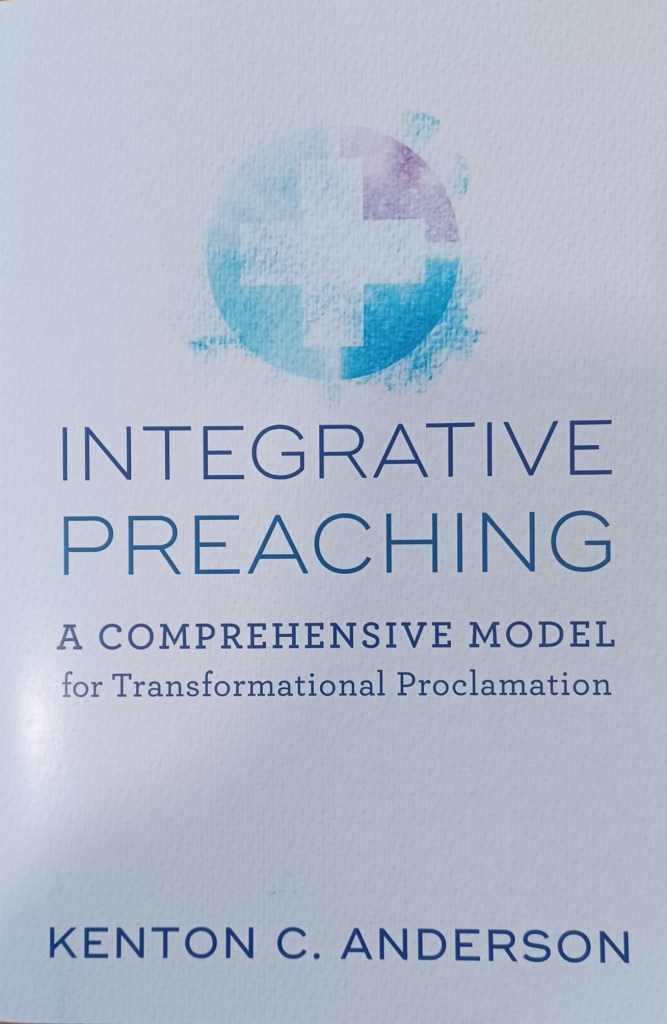
INTEGRATIVE PREACHING – by Kenton C. Anderson

Integrative Preaching: A Comprehensive Model for Transformational Proclamation – by Kenton C. Anderson

Integrative Preaching is one of the best books on preaching I have read lately. Kenton Anderson diagrams a model that intends for sermon to reach both the mind and the heart. He describes this method in a number of ways. I especially like how he names each of the four steps of the sermon in ways that connect to the heart of a person: Engage, Instruct, Convict, and Inspire. I personally was most challenged to do a better job of Inspiring my listeners when I preach, not being satisfied with information alone, but driving home how the information should affect us and be lived out. An excellent book on how to build and deliver sermons that change lives.

Church Leadership Series: Part 5: A Leader Must Teach

he must be able to teach

1 Timothy 3: 2 (NLT)

He must have a strong belief in the trustworthy message he was taught; then he will be able to encourage others with wholesome teaching and show those who oppose it where they are wrong.

Titus 1: 9 (NLT)

I love to teach. I love preparing a lesson and then teaching it to a group of people, small or large. I love to see learners understanding a new idea or learning how to apply a truth they have just understood. To be a leader is to instill new ideas and ways of doing things in others who are coming after you. A church leader must be able to teach. This is one of the main ways to instill new ideas and practices in those whom you are leading. My automatic reaction to this verse is to think of teaching thoughts and ideas, of preaching and teaching scripture and discipling others through teaching in a class or sermon. But we all know that teaching is also about hands-on and practical learning.

Apprentices are always learning, but only part of their training is in the classroom. Much of the teaching they receive is active hands-on learning. Leaders in the church may be good classroom teachers, or they may not, but if they are teaching others in practical ways, then they are still teaching.

I find it interesting that in Titus we are told that the leader must have been taught first and must believe what he was taught. A teacher cannot teach what they do not know.

The key teaching in the church is the “trustworthy message” of the gospel. We have heard and now teach the gospel of Jesus Christ to others. As leaders we continue to encourage others to get to know the Jesus of the gospel, and to receive His life-giving forgiveness of sins as we put our faith in Him.

Church leaders are responsible to teach many things in the church, but it always needs to come back to the gospel message. Whether we are teaching others how to be an usher or how to do run the sound board, all of that is to help others continue to hear the gospel message.

Part of a leader’s responsibility is to “show those who oppose it where they are  wrong.” (Titus 1:9) It is not unusual to come across people that have not understood something correctly. Misunderstanding may be as serious as not understanding the forgiveness that Jesus offers to all who believe in Him, or something as simple as not following through on a certain responsibility they accepted. In either case, the leader’s job is to correct when correcting is necessary, and this is done by teaching and showing what the correct understanding is.

It is pretty much impossible to be a leader and not be able to teach. To lead is to be ahead of people in information or practices that somehow need to be passed on to those following. In the process of doing that, you are teaching. Yes, some are more gifted in teaching than others, but a leader will always be able to teach to some level.

Keep looking up,

Andy Wiebe