When Pastoral Care is Unnatural for You

I get excited about many parts of church leadership. I love to work on vision and strategy and even bylaws, and the constitution. I enjoy preparing and preaching sermons or teaching lessons, but I am not naturally aware of people’s needs. I don’t mind spending time with people, in fact, I enjoy it when I do, but caring for people is not readily on my mind. My mind is quick to look at how to plan, lead, and direct, but I need help and reminders to slow down and be with people. Maybe some of you can relate? If so, some of the following ideas might help both you and me.

Listen for the needs people express.

This is so straightforward that it hardly seems worth mentioning, yet I don’t always do this well. When people have conversations with me, I may stop and pray for them right there if they mention a need, but I often forget to check in later to see how things went.

Sometimes you hear people raising a prayer request in a group. The other day I heard someone ask for prayer for a test she had to undergo. That was a great opportunity for me to make a note somewhere to check in on her later. If someone makes a worry known, they likely want people to be aware and take notice. This might be a great time to arrange a coffee or make an appointment to meet with them and care for them.

Follow up on cues others notice.

Recently, I was meeting with a Transition Team at a church, going through the church’s Health and Vision Assessment we had just completed together. There were many encouraging and helpful responses from the congregation, but there was one person who consistently answered negatively. I didn’t pay too much attention. I thought he may just be a more thorough person and generally critical, yet a few on the team suggested he may need a visit from me. I hadn’t even considered that but agreed to their suggestion. I met with him and he seemed glad and was very willing to talk. He even indicated that he signed his name to the assessment in hopes someone would meet with him. We had a great conversation. I’m not sure we resolved anything, but he did appreciate the opportunity to be heard. Be alert to other cues that a person needs some attention.

Pause and evaluate the day in light of people.

It might be helpful to stop at one point in your day to think and pray through your interactions of the day, asking God to point out anyone who needs a call, a text, or a visit. You could do this at the beginning of your day, asking God to point out who from yesterday needs your care today. Or you might choose to do this at the end of your day, reflecting on the day that was, and planning how you might connect with people who come to mind.

If this is difficult, it can be helpful to keep a checklist on your desk with questions to prompt you to reflect on your daily interactions. Some questions could include:

  • Who has medical needs that are weighing on them?
  • Who expressed a specific need today?
  • Who is dealing with concerns in their marriage or family?
  • Who is leading or serving in a ministry and needs encouragement?
  • Who is dealing with depression and could use a personal connection?
  • Who has someone else suggested needs care?
  • Who has been absent from church for a while?
  • Who has the potential for greater leadership responsibilities and could use a conversation to discuss the possibilities of this?
  • Who has exciting news personally or in their family that you could celebrate with them?

Pastoral care is an important aspect of effective leadership, but it doesn’t always come naturaly. If you are like me in this way, I hope this post encourages you to adopt some of my suggestions or find methods of your own to help you notice ways you can better care for those you lead.

May your ability to notice people who need care expand as you are intentional about it.

Keep looking up,

Andy Wiebe
Thank You!

As we come to the end of this year, I want to thank each of you who read this blog. Thank you for allowing me the privilege of sharing from my heart, things I’m learning and discovering in my journey as a pastor and church leader. We serve a great God who loves us deeply – enough to send His Son to die for us and open a way for a personal relationship with Him! We are all learning every day. Thank you for considering my thoughts in your learning.

Thank you!

And have a Happy and Successful New Year

Andy

The Fun of Getting to Know People

The church is people. Being a church leader and pastor means being a leader of people. Every leader needs to recognize the value of getting to know the people they lead in a personal way. I enjoy getting to know people because as you get to know people you find out what they are passionate about and how they contribute to their community. Many people have unique skills they are using to help others that you wouldn’t know unless you get to know them.

Personal Connections

Some of the fun of getting to know people is finding you share common friends or have similar origins. When I meet someone for the first time, if I learn that we know the same people or are familiar with the same places, it immediately gives us something to talk about even though we just met.

Unique Skills

Last night, over supper with friends, I learned that the one friend translates children’s songs from English or Spanish into Low German. There are not many Low German children’s songs so she finds good songs in other languages, translates them to Low German as best she can, records herself singing them, and uploads the recording and song for Low German speaking parents to use for their children. I think that is fantastic! I would never have known about her unique contribution to other parents if I had not had opportunity to be in a conversation with her.

Personal Pain

I recently had a conversation with a young couple who are hurting because of an illness in their family. They have had to go through many difficult adjustments as they deal with a family member who lost their memory and the ability to function on their own. As a pastor, hearing the pain in their voices as they shared the story gives me a fuller picture of the realities of their life and and how they are trying to manage life. This informed perspective will also help me be a bit more forgiving when he doesn’t make it to every board meeting because he has unexpected responsibilities to deal with at home. Gaining a fuller understanding of people on our team and people we serve reminds us to view people as humans with complicated lives.

Passions

As we get to know people, we get to know what makes them tick, and what they are passionate about. Some are passionate about people, others about projects. Many people have certain values that they regard with extra importance. For example, knowing which people are passionate about youth or the poor can guide you when recruiting volunteers for youth or the food bank ministries.

Potential Friends

Some people warn pastors not to become friends with people in their church. Others say pastors need to be friends with everyone. Pastors need friends too, and as they get to know people they discover new friends. Its natural that we become better friends with some people in the church than others, so don’t be afraid to get to know people as friends.

I encourage every pastor and church leader to go out of their way to get to know the people they lead. You will gain personally, as will your church, if you get to know them.

Keep looking up,

Andy Wiebe

Invite Books to Mentor You

Every leader benefits from reading regularly. Even those who do not enjoy reading can benefit from disciplining themselves to read. The authors we read become our mentors. We can benefit from being mentored by those whom we may never meet and who do not know us personally, but who pour into our lives through their written words. Many of us do not have access to pastoral mentors; these authors can become that for us.

As you read, you will find certain authors that you connect with or who seem to speak into your context in a way that you find helpful. There are certain authors I have read at different times depending on the situations I was working in or issues I was facing. Choosing a book allows you the opportunity to tailor your mentoring experience to your specific needs.

Let me share four authors and some of their books I have personally benefited from.

Nelson Searcy is the – founder and lead pastor of The Journey Church in New York and author of a many church leadership books. Many of Searcy’s books are about a specific system that he has developed in his church. I found many of the principles to be adaptable to my situation even in a smaller rural church.

A few of his books that I have benefited from are:

  • Fusion: Turning First-Time Guests into Fully – Engaged Members of Your Church
  • Activate: An Entirely New Approach to Small Groups
  • The Generosity Ladder: Your Next Step to Financial Peace
  • Maximize: How To Develop Extravagant Givers In Your Church

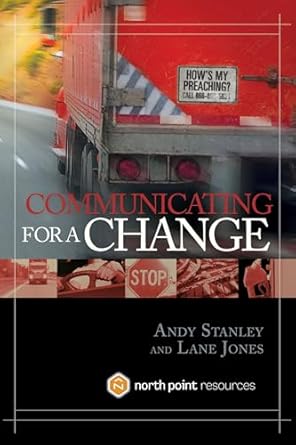
Andy Stanley is the – founder and lead pastor of North Point Community Church in Alpharetta, Georgia and author of many books, mostly about church leadership. I especially appreciated his teaching on preaching and vision setting.

A few of his books I have benefited from are:

  • Deep and Wide: Creating Churches Unchurched People Love to Attend
  • Communicating for a Change: Seven Keys to Irresistible Communication
  • Visioneering: God’s Blueprint for Developing and Maintaining Personal Vision
  • Seven Practices of Effective Ministry

Preston Sprinkle is an – author, speaker, and teacher. I have especially appreciated his books addressing gender and same sex attraction, as well as other issues of today.

Here are a few of his books that have helped me understand the discussion around these issues better:

  • Embodied: Transgender Identities, the Church, and What the Bible Has to Say
  • People to Be Loved: Why Homosexuality Is Not Just an Issue
  • Go: Returning Discipleship to the Front Lines of Faith
  • Fight: A Christian Case for Non-Violence

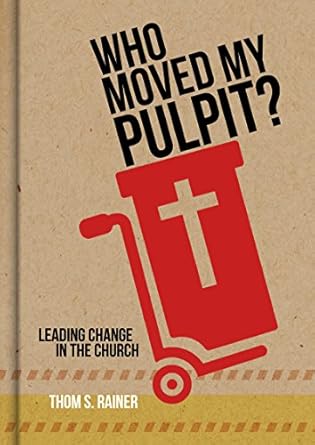
Thom Rainer –  is a writer, researcher, speaker, and founder of Church Answers, a website where many pastors connect and learn together about church ministry and the life of a pastor. His books are usually short but filled with practical advice about the church.

Here are a few of his books I have enjoyed:

  • Becoming a Welcoming Church
  • I Will: Nine Traits of the Outwardly Focused Christian
  • Who Moved My Pulpit?: Leading Change in the Church
  • Unchurched Next Door

I read a lot, but these are a couple of authors I have read often and enjoyed how they spoke into my life and ministry.

Invite leaders to mentor you as you read their books. Learn from their experience and expertise. Look for a couple of nuggets that apply directly to you as you read. And keep on learning.

Keep looking up,

Andy Wiebe

Four Suggestions for A Good New Start

While beginning a new job is both exciting and overwhelming, it is important to take time in the midst of the busyness to identify your values in the new role. The duties of the job can quickly fill your schedule and begin to pull you in a direction you may not necessarily want to go.

What is important to you that you do not want to ignore as the demands of your new position grow? What do you need to schedule now before your schedule fills up?

  1.  Get Your Family Settled

When moving to a different community for your work, make sure you take adequate time to get your family settled. Unpack as quickly as you can so that your family can see familiar photos on the wall and fridge that help them feel somewhat at home.

Help your family get settled in school and in other sports or community activities that will help them get connected to the community and to new friends. The more settled your family feels, the more settled you will feel.

Schedule important family dates onto your calendar before the job demands overwhelm you and you forget special days. 

2. Be Clear on Your Personal Priorities

    In the process of accepting a new role, you have an opportunity to review the job description that will define your responsibilities. But you most likely have some personal values or priorities that you hold. If you, as a new pastor, want to spend regular time in prayer, schedule it into your calendar. If you love mentoring others, you might already be looking for whom to mentor. If you want to keep on growing in your skills and personal development, you might want to determine a plan that will work in this new setting and will not interfere with the responsibilities you agree to when you accepted the position.

    Make sure you know the requirements of your new role. Begin to plan and dream and schedule dates as you look at what you need to work on.

    3. Begin New Friendships

    When you begin a new position in a church, there may not be a lot of demands on you at first as you begin to make your way into your new role. Because you do not have many projects to work on at first, focus on getting to know people. Get to know the people you will work closely with. Get to know your board. Get to know other staff. Get to know the leaders who volunteer in the ministries of the church. You can do this on your own, or if you have a spouse or family, meet together with couples and families.

    Good friendships will help your job to be an enjoyable experience.

    4. Develop a Schedule That Fits the New Role

    While your new job may be similar to what you have done before, each new role comes with various changes that affect how you fulfill your new role. Each new job comes with different expectations and different schedules. Because of the expectations of your new role, you may need to take a different day off than you have before. Maybe you are better off coming to work earlier and going home earlier in the afternoon as well. Figure out the schedule that will work for you now.

    It can be a lot of fun starting a new job. I believe you will have a better start if you can follow the suggestions above.

    Keep looking up,

    Andy Wiebe

    Responding To An Audience That Doesn’t Like Your Sermon

    What do you do when you receive negative feedback on a sermon?

    First, do not feel personally attacked. It may be that the sermon was clear and accurate to scripture but the hearer didn’t like what God’s Word was saying. When I hear a negative reaction to a sermon – or to even decisions I make – I ask myself some questions to clarify the situation. Was I at fault? Or is the negative reaction in response to scripture says?

    Is it true and accurate to scripture?

    As preachers of God’s word, we need to be careful to say what scripture says. We need to be careful that we don’t misrepresent what God is says or misuse scripture to make it say what we want it to say. This means doing good research and study to ensure you are clear on what scripture says.

    Did I present it correctly?

    As we preach what scripture says, we also need to make sure we present this truth correctly. This could be ensuring we do not omit sections or aspects of scripture that we disagree with or do not like. We also need to remind ourselves that all of scripture speaks into the sermon of the day. Is there another side to the issue? Are there other scriptures that give a fuller view? Is there another scripture that needs to be referenced in order to give a complete picture of what is taught?

    Did I explain the situation it was addressing?

    There are times when it is helpful to give the background to the context of the scripture we are preaching on. It can help the listener first understand the message correctly, and secondly, figure out how to apply it to his or her own situations correctly. The historical background can give some meaning to why the author is addressing what he is addressing.

    Was I wrong?

    I ask myself this question sometimes because I want to make sure that I did not say something that was wrong or even hurtful. Yes, I need to present scripture accurately in a sermon, but I can choose what I say about it, or how I say it. If I did say something wrong, then I need to admit it. If I misrepresented God’s Word then I need to correct it.

    Is a follow-up or clarification needed?

    One sermon I preached brought a lot of response from the church members. Some who responded to me were thankful that I had said what I said. The sermon clarified something that they had been wondering about. The same sermon also brought responses from some who were pushing back against what I said. They did not like how I had interpreted what the verses said. Others were wondering how what I said fit with the rest of scripture. I began to realize, from both the negative and positive responses, that this was a topic that needed some more clarification. I decided to use the next Sunday to spend more time on the same scripture and the same topic, digging in a little deeper to explain how this fit with the rest of scripture and how I had come up with the interpretation and application of the verses that I did.

    I was serving this church as a Transition Pastor, so it was a great opportunity to remind the church that their next Lead Pastor may occasionally teach something they disagree with and understand scripture differently than what each member personally thought. I tried to use this situation to encourage the church that their new pastor would likely have different opinions on some things and that was okay.

    As preachers, we will occasionally say things that our audience doesn’t like. If their push back is against what God’s Word says, then it is an issue between them and God. If it is about something I said, then I need to make sure I was saying what was correct, and if not, apologize and correct myself.

    Preaching God’s Word is a privilege. We want to handle it correctly.

    Keep looking up,

    Andy Wiebe

    Preaching With Boldness

    All Scripture is God-breathed and is useful for teaching, rebuking, correcting and training in righteousness, so that the servant of God may be thoroughly equipped for every good work.

    2 Timothy 3: 16-17

    Recently, I began a sermon with this statement: “I am going to talk to you about something this morning, that is very hard for us.”

    I was preaching through 1 Peter. This morning we were looking at 1 Peter 2: 13 – 3: 7, which is all about submission. Not submission to God, but submitting to governing authorities, to masters, to husbands and wives. This is not a topic I would have chosen to preach about, except that it was in the middle of the book of the Bible that I was preaching through. Submitting to the government is not a popular topic among many church people, yet that was exactly what God’s Word was talking to us about in that scripture. Because it was God’s Word, and not my own ideas, I could preach it with confidence.

    If 2 Timothy 3: 16-17 above is right, then we know that there will be scriptures that rebuke and correct, not just encourage us or make us feel good. When the preacher makes sure to preach what God’s Word says, then the preacher can speak with confidence and boldness.

    I remember a person commenting after a sermon I preached that they thought I was brave to preach what I did. It actually surprised me a bit. I had preached on money, teaching what scripture said. I didn’t consider it brave. I was just preaching what God said, but this comment revealed the reality that there are certain scriptural truths that people do not want to hear. There will be people who are upset with you when you preach biblical sermons that challenge their personal beliefs, or even the beliefs and practices of their church.

    Scripture occasionally points out where we come up short and need to make corrections. As a preacher, I can preach boldly as long as I clearly say what scripture says. It is God’s Word. If the Bible says it, God says it. I should have no problem teaching it with confidence.

    At the same time, we need to preach with gentleness. When we teach about how God created people male and female, and only male and female with no other options, we can teach with gentleness in light of those who are personally struggling with this or have family who are.

    We can preach about money and giving to the church, but also recognize that some are struggling to make ends meet.

    We can preach on the importance of forgiveness even as we recognize that some people have been hurt deeply and personally in a way that is hard to move on from.

    God calls us preachers to preach the whole truth of His Word. We cannot pick and choose only the things that people want to hear. This is one of the benefits of preaching through a book of the Bible. We come across passages that we might not have chosen to preach about.

    If we are careful to preach what scripture says we can preach with confidence. We don’t need to be embarrassed to preach counter-cultural truths. We don’t need to be afraid that people won’t want to hear what the scripture says.

    If we are preaching something that scripture never said, then we better hesitate to say it. Yet we can preach with confidence when we know that we are saying what God said. Let’s continue to declare God’s truth with clarity and confidence.

    Keep looking up,

    Andy Wiebe

    The Privilege of Being a Pastor #3: Making Disciples of Jesus.

    One of the unique opportunities of a pastor is to walk with people as they take significant steps in their journey with Jesus. It is humbling to think that God allows me to be part of these times when people are making decisions that will impact their eternity. Let me share a few stories.

    I remember a teenage girl who was searching for answers. She came from a difficult home situation and loved the acceptance she was experiencing in the youth group and church. Her friend brought her to me and together we introduced her to Jesus! She knew there was something better than what she was experiencing at home.

    One young man had gone through many hard things. You could tell, just by looking at him, that life had been hard on him. I got to know him and tried to help answer his questions until the day that he asked to be baptised. Just as we headed to the washrooms to change for the baptism, he pulled out a cigar and handed it to me. What a fitting gift! He was so excited about what was about to happen and wanted to celebrate it with a gift for me.

    I love the excitement of those preparing for baptism. One teenage girl was determined we would have an outdoor baptism in the river near the church even though it was fall already. The special day arrived, and there was already a skiff of snow on the ground, but she was not backing down. We made sure to have plenty of extra towels to wrap up after and went down into the cold river for the baptism. It was one of the quickest baptisms I ever did!

    I remember reading the Bible with a new friend. He didn’t know the Bible but wanted to just read it together. This was not a Bible Study or in-depth lesson. We just started by taking turns reading in the Gospels. As we read the stories of Jesus, we stopped when he had a question or clarification was needed, and then kept going. I loved seeing his responses to a story that I was so used to but was brand new for him!

    I have preached many sermons in my life. There are many I have forgotten, but others stick in my mind because of how people responded. One Sunday, I preached on receiving the Holy Spirit from the book of Acts. I pointed out that sometimes people had leaders lay their hands on them and pray for them to receive the Holy Spirit. I made it clear that there was nothing special about me, but if there were any who wanted to have me lay hands on them and pray for them, to come on up as I closed. One man actually ran to the front! Then others started coming up. There were so many  people who wanted to receive more of the Holy Spirit, that I had to recruit a couple of elders to lay hands on and pray for people with me. What a joy to see people respond to God’s word!

    Working on vision with church leaders is one of the things I get excited about as I serve as a Transitional Pastor. I love seeing leaders begin to hear God together and get a sense of how God is leading their church. I served one church where leaders put in two planning and dreaming sessions of five and six hours each, working together to hear from God on His direction for the church. It was amazing to watch as they listened and heard from God together, coming up with the right words to describe who the church was and where the leaders felt God calling them as a church. The time of prayer and listening and discussing together brought a clear sense of direction that guided the church moving forward. What a privilege to coach the leaders through this process of listening to God.

    Walking with people as they make decisions to follow and honour Jesus has given me opportunities to develop some great friendships. One friend and I spent many hours together in the church and serving in the community and just doing life together. It was a joy to eventually baptise him as he said yes to Jesus. Another friend was struggling with a desire to be holy and feeling he was far from it. As we walked through this time together, not only was I able to encourage him to continue to follow Jesus and go deeper with him, I also found a great friend.

    I hope these stories show you what a gift it is to walk with people as they make big spiritual decisions and take steps in spiritual growth.

    Keep looking up,

    Andy Wiebe

    The Privilege of Being a Pastor #2: Walking with Families

    One of the joys of being a pastor is getting to know the people in your congregation. Often, this happens during very personal and intimate moments as you walk with them through these significant milestones.

    Babies and Child Dedications

    In my experience, it is not unusual for the pastor to be one of the first ones outside the family to be welcomed to the home of new parents. Sometimes my wife and I have even visited the new parents and baby at the hospital to meet the baby and pray for the family before they are sent home. What a special privilege!

    Often families arrange with the pastor for a Child Dedication Ceremony. I love being able to hold the child and offer a prayer of blessing on the child and the parents. What a profound moment as we ask God’s blessing on the young life – and I get to do that!

    Conversion and Baptisms

    Many parents have been excited to share with me that their child prayed to surrender their life to Jesus. Then later, I get to walk them through a baptism class and baptism. Often the family invites me and my family to join them for a celebration with their family and friends after the baptism. They want us to participate in the celebration!

    Weddings

    This is a fun one! I love to walk with young couples as they prepare for their wedding. I enjoy the conversations my wife and I can have with the couple as we teach and encourage them and help them prepare for this new journey they are beginning. It is a lot of fun to celebrate with them and their families on that special day.

    Sickness

    While this is not a fun one, there are times when families face serious illness and long hospital stays. It is a privilege to visit them in the hospital, to be there as a friend and a representative of God. It is good to be present with them, and to pray with them. And it exciting when we see God give them restoration and new health.

    Funerals

    One of the hardest things to do as a pastor is to walk with a family I have known for a long time as they cope with the death of a family member. I may be able to give a hug or an encouraging word, but most of all, I get to point them back to God and to scripture.

    Some pastors have been at the same church long enough to walk through a few of these, or all of these special moments with the families they serve. Now they are marrying the same adult they dedicated as a child years ago.

    As a pastor, I get the privilege, very often with my wife, to be part of some significant moments in other families lives because they love us and want us to be part of their family celebrations. What a joy to walk with people during some of their best and their worst times in their lives!

    It is a privilege to rejoice with those who rejoice and weep with those who weep.

    Keep looking up,

    Andy Wiebe

    The Privilege of Being a Pastor #1: My Personal Joys!

    I have enjoyed and still do, this wonderful role of being a pastor serving a local church. I want to share a few posts about the privilege of being in this role. Some will be more practical, others more spiritual, but I hope these couple of posts encourage pastors or potential pastors.

    As I work with churches during their transition times from one lead pastor to the next, I am very aware that there are not as many people out there looking to serve a local church as there used to be. Less young people are pursuing a role as pastor, and many pastors are leaving the position.

    While there have been some very difficult times in my pastoring career, overall, it has been a good life for me and my family.

    1. I have received respect and love as the person in this role.

        Some pastors no longer want to be called by the title of “Pastor,” yet there are still many churches and members out there who respect the role and want to honour you in it. For them, it is a term or respect for your calling and you as a person. People value your input into their lives because they see you as a professional called by God to serve as their leader and teacher.

        2. I have experienced kindness from church and community members because of my role.

          My family has experienced many acts of kindness from our different churches. One church asked for a specific Christmas list for my wife and I and our two daughters. Because they asked, we gave them a list with options. They didn’t choose, they got us everything! Others have given us financial love offerings at Christmas.

          People want to pay for my lunch. Just the other day, a member walked past my table in a restaurant as I was finishing my lunch and grabbed the bill the waitress had left on the table. And I hardly know him! I recognized him but don’t remember his name because I haven’t spent any time with him yet.

          We have been blessed with many gifts, including a grocery shower, a side of beef, a portion of a pig someone just butchered, and all kinds of garden produce. Many people have invited us to their home to share a meal with them.

          3. The role has given me freedom.

          The flexibility of my schedule has allowed me to coach my daughter’s soccer team. Most men couldn’t take time off work to coach a 3:30 pm practice or game, but I could.

          4. I have travelled, often with expenses paid.

          I know not everyone gets to experience this, but I have been able to travel a bit because of my role as a pastor. When I was a Youth Pastor, I got to go to the Philippines to scout out a possible missions opportunity for my youth. I was asked to officiate a destination wedding in Mexico for my niece, at no cost to me. I worked with a few other pastors to establish a Rural Church Pastors Network. As the leaders, we had an opportunity to go to North Carolina to check out a rural ministry program that ran out of Duke University serving United Methodist churches. Again, no cost to me.

          I have attended many Pastors Retreats with our denomination in Banff and Lake Louise! What a privilege to enjoy retreats in these great settings.

          5. Working with my wife is a joy.

          As a pastor, I have had many opportunities to work together with my wife as we have served churches. Lynnette and I have been able to work together in ministry in ways that many other jobs do not allow. We have worked on projects for the church together, led many worship services together, and enjoyed many visits with church members together as a team.

          The joys of pastoral ministry have outweighed the difficulties. God has given me wonderful opportunities to serve him and an enjoyable life in the process. If you are considering pastoral ministry, realize that it can give you great joy.

          Keep looking up,

          Andy Wiebe