Book Reviews: Andy’s 2022 Reading Experience

I will be sharing a brief review of every book I read this year. Hope you enjoy and hope it encourages you to keep reading.


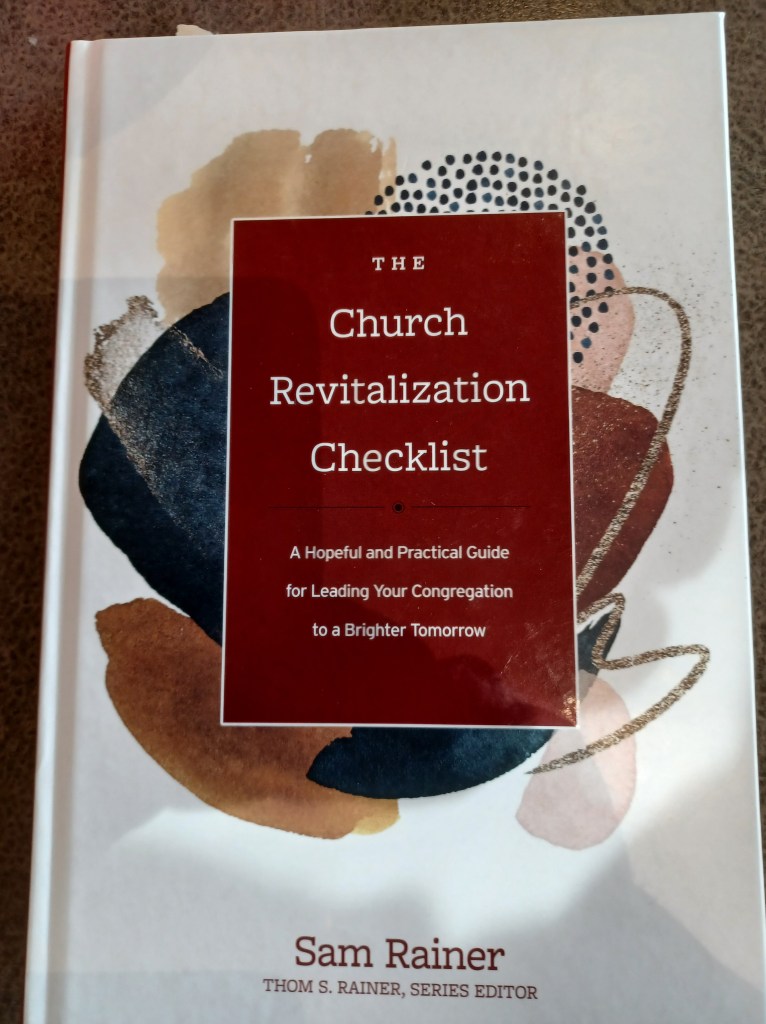
AN HOUR ON SUNDAY – By Nancy Beach

In An Hour On Sunday: Creating Moments of Transformation and Wonder, Nancy Beach draws on her years of experience creating great worship services. She covers many aspects of how to create meaningful experiences for church congregations, focusing on the arts and artists involved in making these experiences moments of “transcendence”. She writes, “Our aim should be to create services so compelling, so meaningful, and so unexpected, that the time sails by and attenders leave with an enthusiastic desire to talk about their experience as well as the content of the service.” Her chapter on creativity is one of the best. This book is a great encouragement to do our best to create services that impact people in meaningful ways.

Do We Need A Transition Pastor?

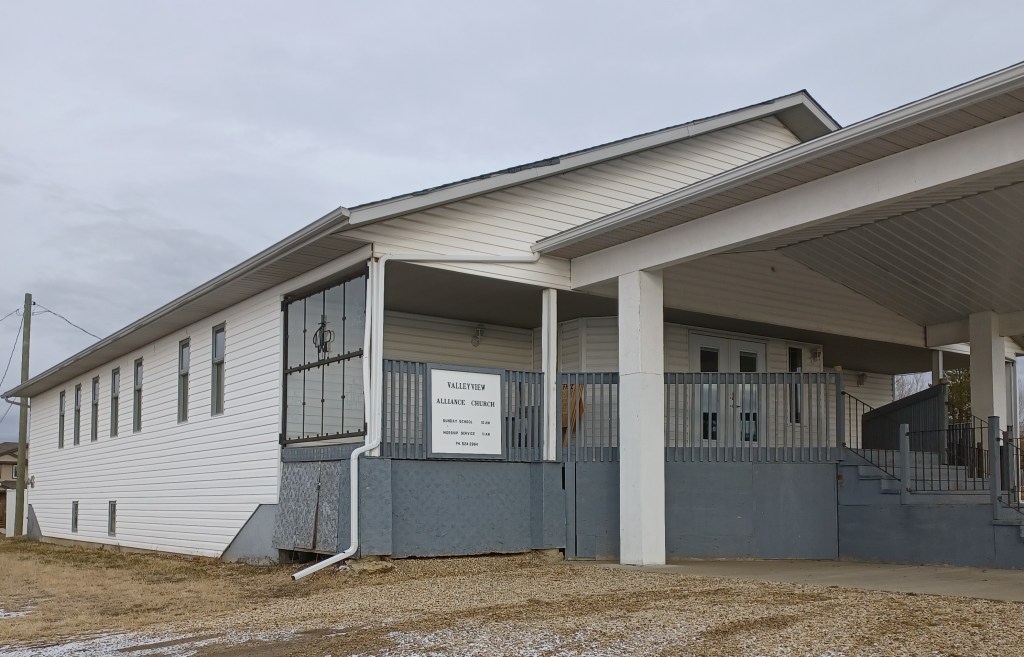
I am presently serving as a Transition Pastor. Some might wonder what that is, or why a church might need one. Many of you reading this are part of a church, and may be part of the leadership that needs to determine next steps after a pastor leaves.

When a pastor resigns and leaves his church, the church needs to determine next steps. Some questions to consider would be:

  • Should we immediately look for a new pastor?
  • What kind of pastor do we need next?
  • Should we get a Transition Pastor?
  • Are there things we need to work on to be ready for a new pastor?

A Transition Pastor

A Transition Pastor serves in the time between a church’s last pastor and the next one they will hire. He will generally sign a contract for nine months up to two years. The Transition Pastor’s main role is to make sure the church is healthy and ready for the next part of their journey, before hiring the next pastor.

 Another role is to help the church say goodbye to the previous pastor and some of the experiences of the past. If the pastor who left was deeply loved by the congregation, and if he served there for a long time, a new pastor coming in immediately would probably be regularly compared to the last pastor. I have had that experience in a few churches I served. A Transition Pastor can be a buffer, helping the church move on from the last pastor and be ready to accept the next one.

If there was a lot of pain and heartache that caused the previous pastor to leave in turmoil, the Transition Pastor can help the church heal and move on from that experience so they are ready to accept the next pastor God sends their way. This is part of the process of ensuring the church is heathy and ready to move on.

The Transition Pastor can also bring consistency to the congregation while they are looking for their next pastor. Instead of bringing in different local people to preach every Sunday, he provides consistent leadership that takes the load from the Leadership Board that volunteers to serve with already busy lives of their own.

Transition Benefits

If you are part of a church that is in between pastors, I would highly recommend hiring a Transition pastor. They will help you say goodbye to the previous pastor and that chapter of the church. They will help you be healthy and ready for the next chapter. The Transition Pastor can focus in on the issues that will bring health in a way that a new pastor can’t, as they are responsible to deal with all aspects of the church.

The Transition Pastor is a trained specialist who can address much needed assessing and re-visioning that not every pastor is equipped to do.

The Transition Coach

Not every church that is between pastors will hire a Transition Pastor. Sometimes they opt to go with a Transition Coach. Churches that choose this option usually have others in the church that can continue to preach most Sundays and look after pastoral care of the congregation. This would most likely be a multi-staff church that may be looking for their next Lead Pastor while still having other staff running many aspects of the church.

The Transition Coach will do many of the same assessments and work through similar processes with the Elders, staff, and congregation. He will not be there every Sunday but will show up occasionally to work through different steps of the process. And he will be guiding the whole process, even suggesting topics or themes to address in the preaching. The one concern I have about choosing a Transition Coach is that this person is not as closely connected or intimately in tune with what is going on in the church in the way an on-site Transition Pastor is.

Are you in between pastors? Then consider hiring a Transition Pastor. You will benefit greatly!

Keep looking up

Andy Wiebe

*Click this link to connect with Andy about Transition ministry.

Enjoy a Fresh Start Everyday

I am usually the first person up in the morning at my house. I am often one of the first people up in my neighborhood. There is something special about the beginning of a new day. The “early bird gets the worm” they say. Many successful leaders are up by 5 or 6 am, to start their morning routine. More important than rising early, is the fresh start that each new day brings.

Every sunrise you an opportunity to start your day over. This is not reliving the same day like Bill Murray in Groundhog Day. We get to start over by starting at the beginning of another day. It is a fresh slate. There is something really freeing about a not-yet-lived day. You haven’t made any mistakes yet.

A Sin-free Day

Some of us may need the following prayer: “Dear Lord, so far today, I am doing alright. I have not gossiped, lost my temper, been greedy, grumpy, nasty, selfish, or self-indulgent. I have not whined and complained. But I am getting out of bed soon, and I will really need your help.”

Each new day is a day when we have not yet sinned. You know the things that happened yesterday, but today you get to start over. You know where you failed, and you know what you need to improve. If you want to, you can make a renewed effort to avoid the sins of yesterday. If you have repented and confessed the sins of yesterday, God has forgiven you. You have the privilege of relying on the power of the Holy Spirit to make it a day that honours God.

If there is a “sin that so easily entangles” you, you can make a concerted effort to avoid it. “Throw off everything that hinders and the sin that so easily entangles. And let us run with perseverance the race marked out for us” (Hebrews 12:1). Begin your day with prayer, maybe one with a little more sincerity than the one above. Talk with your heavenly Father about your desire to be holy as he is holy. Take deliberate steps to remove anything, or stay away from anything or anyone that tempts you to sin.

A Discouragement-free Day

Some days are much harder than others. Sometimes we have more of those difficult days than we would like. There are days we wish we could forget. The benefit of a new day is no one has said anything bad to you yet. Nothing has happened to discourage you. So far, nothing has gone wrong. Oh, some of us are quick to come up with potential problems, but they have not yet happened. So don’t bring on trouble that is not yours.

I like how Jesus teaches about worry in Matthew 6:34: “So don’t worry about tomorrow, for tomorrow will bring its own worries. Today’s trouble is enough for today.” Or we could say, don’t worry about today, since you haven’t lived it yet. Leave yesterday’s troubles to yesterday. Don’t worry about tomorrow. And focus on the moment and the start of a fresh, worry-free day.

So far you have nothing to feel guilty about. You haven’t brought on discouragement by falling short of a goal you had or a standard you wanted to meet. At the start of the day, you are free to enjoy a clean slate.

Maybe yesterday was not a good day. You gave in to temptations. You had things go wrong. Someone was mad at you. We could think of all kinds of things that made yesterday bad. Okay. Get up again, try again. It’s a new day. Yes, you messed up terribly yesterday. Yes, life threw everything at you that it could yesterday. Get up with a renewed spirit, a renewed energy. I like that God has given us seven restarts each week.

Daily Rituals

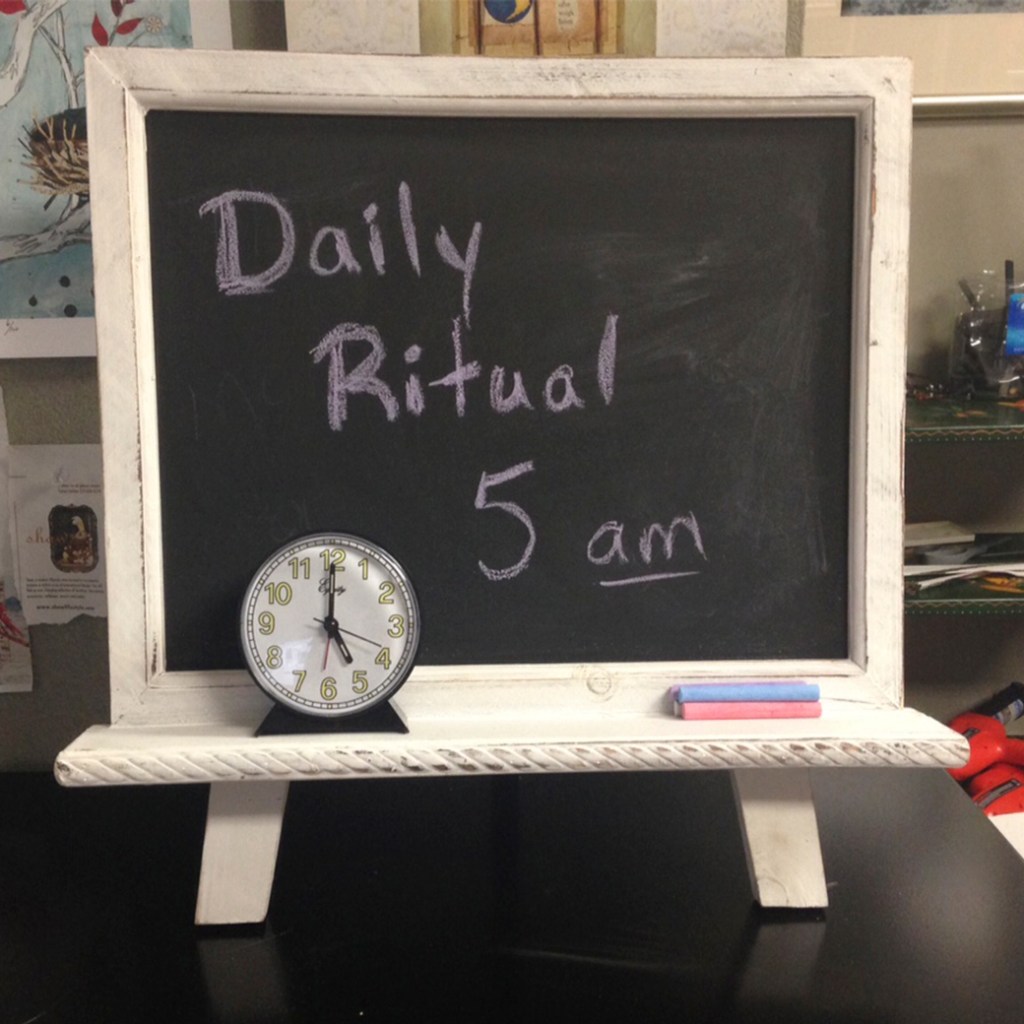
Start your day with good, daily rituals. Do the things you know will help you start on the right foot. This is one of the reasons I get up earlier than everyone else. I do not like missing my rituals because if I don’t do them first thing, I will not do them later in the day. I actually have some evening rituals that set up my morning rituals.

I lay out my clothes for the next day so that I will not wake up my wife by turning on the light or digging through drawers looking for matching socks.

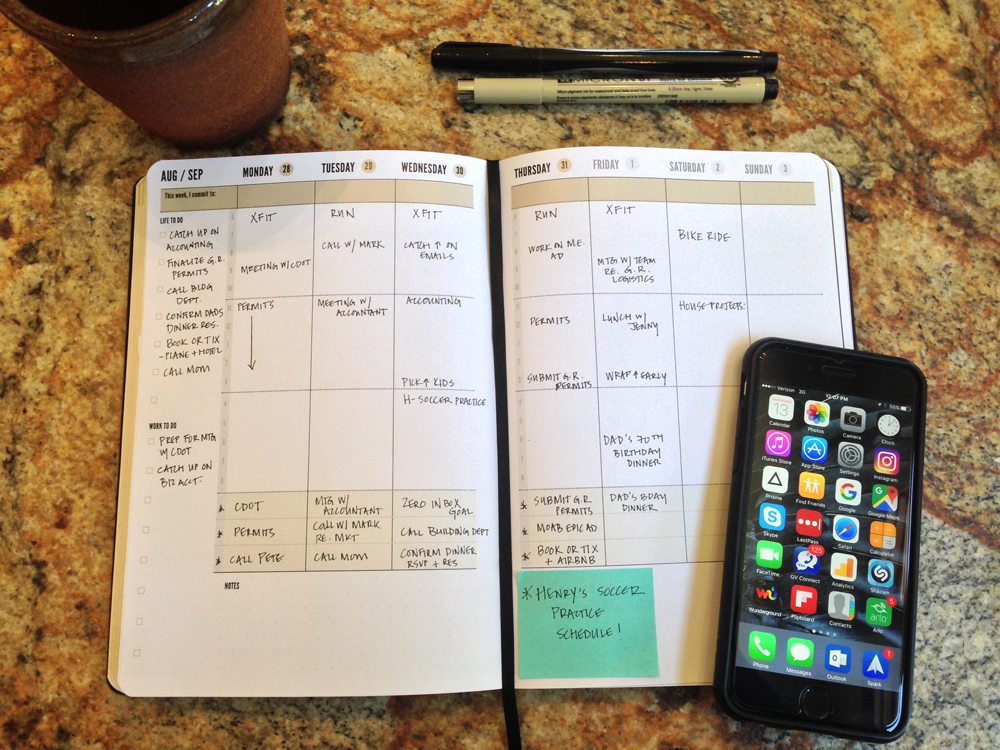
As soon as I’m showered and dressed, I sit down in my big chair in the living room. I reach for my Bible and journal. I start with prayer journaling a conversation with God, which then leads to my daily Bible reading, and a prayerful response to what God is saying to me. Next, I open my daily planner to review how I did with yesterday’s goals and set the goals for today. Mondays I set goals for the week.

These rituals help me to start the day with the things I believe are important to me. You can develop your own rituals that work for you. Getting up early helps ensure I will do what I think is important.

Fresh Orders

One of my morning rituals is to plan the day. I do not approach this lightly. After spending time with God in prayer and Bible reading first, I want to make sure these are not my goals, but fresh orders from God for the day. Sometimes there are things that come up in my time with God that it seems God is telling me what he wants me to do this day.

Getting up early to pray is following the example of Jesus. “Before daybreak the next morning, Jesus got up and went to an isolated place to pray” (Mark 1:35). If Jesus needed to check in with the Father first thing in the morning, then that is probably not a bad idea for me.

Not only does each new day mean nothing bad has happened yet, it also means nothing good has happened yet. So I want to plan I will avoid sin and discouragement, and I also want to plan to do good and right. As I check in with my Father I get some idea of what I need to do this day.

You may not like to get up early. You don’t have to. But I want to encourage you to cherish each new day as a fresh start and an opportunity to check in with the Master for fresh orders for the day.

It’s a new day. Treasure the opportunity to start with a clean slate. May God help you fill in the day with wonderful moments where you see God at work in and through you.

Enjoy a fresh start every day.

Keep looking up

Andy

Clarify Your God-Given Dreams

I believe God has certain roles He wants each of us to fill in this world. If Jesus is our Lord, we have surrendered our life to Him. This means that all we do is out of a desire to honor him. God has certain things He wants each of us to do.

Many of us have read the directives from Jesus to all believers to: “love the Lord your God with all your heart and soul and mind… and to love your neighbor as yourself” (Matthew 22: 37 & 39). Every believer is also challenged: “Therefore, go and make disciples of all the nations, baptizing them in the name of the Father and the Son and the Holy Spirit. Teach these new disciples to obey all the commands I have given you” (Matthew 28: 19-20). We might even look at verses like 1 Corinthians 10: 31, which tells us, “So whether you eat or drink, or whatever you do, do it all for the glory of God.”

These are some of the general duties of all who love Jesus and want to live for God.

There are also examples where God called individuals in the Bible to do certain things or go to certain places.

God told Abram, “Leave your native country, your relatives, and your father’s family, and go to the land that I will show you. I will make you into a great nation. I will bless you and make you famous, and you will be a blessing to others. I will bless those who bless you and curse those who treat you with contempt. All the families on earth will be blessed through you” (Genesis 12: 1-3).

God told Jeremiah the prophet,

I knew you before I formed you in your mother’s womb.
    Before you were born I set you apart
    and appointed you as my prophet to the nations.

On the other hand, there are times when God specifically told someone not to do a certain thing. God told Balaam in Numbers 22: 12, “Do not go with them. You are not to curse these people, for they have been blessed!” And God said to King David, “You must not build a Temple to honour my name, for you are a warrior and have shed much blood.” (1 Chronicles 28: 3).

I think that God is asking each of us to do certain things as well, beyond the general directives He has given to all believers. He gives us dreams for our lives, for our families, for our community and nation, for our church or our work.

What dreams has God given to you? Is it possible that God has a certain plan He has been revealing to you over time? It probably has to do with who you are as a person. God has given you certain gifts and talents and skills which you have learned over time. God has placed you in a certain community and among a specific group of people.

You live in a specific neighbourhood and country. Maybe you have recognized a need somewhere. An experience opened your eyes to the need in a personal way, and you just can’t shake the feeling that God wants you to do something about it. You love God and want to obey him, and you are trying to discern what God is actually asking you to do.

What dreams has God given to you? Is it possible that God has a certain plan He has been revealing to you over time? It probably has to do with who you are as a person. God has given you certain gifts and talents and skills which you have learned over time. God has placed you in a certain community and among a specific group of people. You live in a specific neighbourhood and country. Maybe you have recognized a need somewhere. An experience opened your eyes to the need in a personal way, and you just can’t shake the feeling that God wants you to do something about it. You love God and want to obey him, and you are trying to discern what God is actually asking you to do.

If you are struggling with what God is really wanting you to do, can I suggest a few options you might consider as you try to determine God’s dreams for you?

First, pray. As a Christian you are probably already praying. Don’t quit. Keep on asking God for clarity. Ask him to speak to you directly in some way. I believe that God still speaks, if we only listen. Pray as if you are in a real conversation with God. This means you present your requests and concerns, and expect him to reply. Listen to what He is saying. You might do well to invite a few close friends to pray with you.

Second, read scripture. One way God speaks is through His Word. Spend time reading and meditating on scripture. Use scripture in your prayers, and watch for what God may be saying directly to you through scripture.

Third, invite the wise counsel of trusted advisors. Proverbs 20:18: “Plans succeed through good counsel; don’t go to war without wise advice.” There is value in asking the advice of others. Hopefully you have some wise and godly older men or women you can call on.

Fourth, research. Find out all you can about what you believe God is calling you to. Are others doing similar things? See if you can pick their brain about it. Find out what the real needs are in the areas of concern you believe God is placing on your heart.

Fifth, trust God’s wisdom. God’s Word tells us in James 5:1, “If you need wisdom, ask our generous God, and he will give it to you.” God says that if we ask for wisdom, we should just ask and we will get it. Begin to move ahead in the direction your God-given dreams are leading. It’s okay if you aren’t clear on exactly what it will look like, but begin to move and allow God to refine your direction as you trust in His wisdom. I have had to make small course corrections along the way as God continues to direct.

I believe that God puts certain dreams on each of our hearts. Some of us have them clearly articulated while others may not and are instead faithfully doing what they can to love God and love people.

Each of us can figure out exactly where we fit, where the person we are with our gifts and skills and even our unique idiosyncrasies, can serve the needs God has place on our hearts. I hope you can find a way to never feel like a square peg in a round hole again.

Keep looking up

Andy Wiebe

Planning Ahead Raises Your Level of Excellence

My wife and I are planning for a short holiday. We are planning ahead. We are planning for the middle of January 2022, about three months from now. Planning ahead his beneficial for a few reasons: we can make sure we have time off, we can get a cheaper price, we can make sure that everything will be taken care of at home while we are away, we can set aside a little extra money in the next couple of months, we can try to prepare for any covid-related restrictions or obstacles, and we get to build excitement as we anticipate some time for just the two of us away from home and the daily routine. Planning ahead means that it will be a much better experience than if we had just decided to wait till a few days before and then quickly tried planning something.

I’m sure you do some planning for events in your home. You plan to be at your kids’ sports activities. You plan for Christmas. Your child is planning for graduation.

Why is it that we seem to avoid planning too far ahead in our churches?

Sermons and services are prepared each week from scratch to be ready for Sunday. Meetings come up and we rush to make sure there is an agenda and then run off to the meeting. We arrange for a visit with church members, but hardly give it a thought until we arrive at their door. What if we planned ahead?

Planning ahead is valuable, and can raise the level of excellence in your ministry. Planning ahead:

  1. Demonstrates that you care about what you are planning – you have put some thought into it rather than just hoping it will all work out.
  2. Means you have a clarified vision and purpose – and gives you time to develop and apply those.
  3. Results in well-prepared events. You have time to research each aspect and prepare any documents or tools you need to make the event a success.
  4. Allows others to be involved in the planning process. You can work as a team, and can collaborate with others who are part of that event.
  5. Avoids conflicts. You can make sure to avoid any conflicting appointments or events at that time.
  6. Helps you test your plans. You have time to work on issues you may face at the event.
  7. Gives you more time to spend in prayer ahead of time.

Let’s look at how planning ahead raises the level of excellence of the event.

Meetings

If you plan ahead, you can make sure all the people who should be at the meeting are notified in advance so they can either book that time for themselves or let you know of conflicts so you can reschedule. Planning ahead allows you to ensure you have an appropriate meeting room, necessary research and documents are prepared, and an agenda can be created with participant input. You can even arrange for someone to provide drinks and snacks. This also gives you time to ensure that you are comfortable with the technology you will be using (and test any videos, etc.) or that tech support will be available.

Visits:

Most pastors will at some point visit with members, either at their home or over coffee at a local restaurant. You could just show up and hope the conversation goes well, or you could plan ahead. If you want to raise the level of excellence for a visit, do a few things to prepare. You could make sure you know who you are meeting, especially if you do not know them well. I once was asked by a funeral home to call and provide pastoral help, to a family who had lost a loved one. I called and asked for who I thought I was to speak to, only to realize I had gotten things confused and I was asking for the deceased father! Make sure you know who you are meeting with.

Even if you know them well, you may want to think of past conversations.  Have they asked for prayer recently? It might be good to check up on that. You might want to remind yourself of who is in their family, and the names of their children.

As the pastor, you might even think through where they are at spiritually and how you could use this meeting to help disciple them. Are there some issues that you want to challenge them with? Is there a volunteer position you would like them to consider?

And be ready to have a fun and enjoyable time with them.

Worship Services

The Sunday morning worship service is the main event in a local church. While there are numerous moving parts to the service, it is amazing how many churches don’t plan very far in advance. Too often staff and volunteers rush around each week to be ready for Sunday. This means there is little opportunity to consider anything creative, and instead, to keep up each week, churches keep doing the same old service each week with just a couple of different songs and a new sermon.

You, pastor (or preaching team), would do well to plan ahead. I have tried to usually plan a year ahead. This allows me to think through the needs of my congregation, and plan around and for special days and seasons throughout the year. Taking this approach has allowed me to prepare a balanced preaching schedule, so I’m not surprised when Easter or Christmas arrive.

I don’t have every sermon prepared a year in advance, but I have a general idea of the scriptures and themes I will be addressing throughout the year, so that they are in my mind as I come across good quotes or creative ideas that fit a certain upcoming theme.

Planning the sermon text and themes ahead of time means I can better work with others, too. Sharing the upcoming sermon themes with a music pastor or worship planning team means they can also plan ahead. They might want to prepare special music around holidays or special events, or add creative elements such as preparing a skit or reading. This enables others involved in the services to prepare in a way that complements the sermon.

You raise the level of excellence when everyone involved knows what is going on and can make sure their part fits well. You raise the level of excellence when people can practice and prepare ahead of time for some more unique additions to your service. You raise the level of excellence by having the time to do better.

I want to encourage you to plan ahead. Not just for meetings and visits and services, but in all your responsibilities.

Do you want to raise your level of excellence? Planning ahead is a great place to start!

Keep looking up

Andy

www.elevatecoaching-consulting.com

Chasing Rabbits and Other Distractions

A pastor must know how to keep focused and avoid distractions. We probably all remember a teacher or professor who loved going down rabbit trails. If someone asked the right question, he would get distracted from the topic at hand and head in a completely different direction. Pastors face many distractions daily, and need to know how to keep focused on the right things.

Staying focused requires a sense of clarity in both one’s role and purpose. What is the vision of the church? What is your personal role in accomplishing that vision? What needs to be done this week or this day?

COMMON DISTRACTIONS

Unannounced Visitors  

Many pastors have methods of protecting their sermon preparation time. For example, they may have set “office hours” when they know they will be in the office and their door will be open to visitors. They may have a secretary who helps protect their schedule. The smaller the church, the freer people are to show up and wanting to talk with the pastor. Larger churches often have administrative staff or offices located in such a way that visitors can’t barge into the pastor’s office, but this is not always the case for small churches. The pastor may be the only staff, and the pastor’s office may be near the front door. There is no easy place to avoid the unannounced visitor. In these situations, the pastor could put a sign on his door asking not to be disturbed or choose to work in a coffee shop, or in their home office.

The Big Question             

When interacting with people, you may find yourself distracted by big questions. Some people love to ask their pastor specific doctrinal or theological questions. They may be wanting a real answer, or they may be hoping to just stump the pastor. You need to decide which questions need an in-depth study for you to respond, or which ones you need to redirect back to the questioner. You do not need to answer their every question.

We Should Do This          

Often a pastor will hear from one of their members, “We should have a program to do…” They suggest a program or ministry they heard another church was doing and think your church needs to do it too. You need to be clear on the vision and priorities of your church as you and your leadership have determined. When people bring suggestions, you can remind them of the priorities your church has set.

There are times, though, when someone comes with a question – or an idea and, may be speaking for God. They may actually suggest something that God would have you do. One man came to visit me at one church and asked if we had anything for single moms. His daughter and grandson had moved home and he thought they could really benefit from meeting other moms. This happened to be one conversation among a few others that made us realize God was asking us to do something. The end result was a Moms and Tots program which was very well received by both church and community moms.

Hobby Horses   

Years ago, I was in a church where one Adult Sunday School teacher would end up directing the attention of his class to “New Age” issues in every class, no matter what topic the class was supposedly studying. Recognize when members are getting hung up on hobby horses. Some pastors are like this, where everything comes back to one or two key issues. When they preach, they always have some reference to their pet topic. Beware of that, as it distracts from the message of the sermon.

Technology        

The covid pandemic, and its accompanying restrictions on meeting, has forced many churches to adopt technology they never tried before. I am amazed at how many churches were able to find a way to stream their church services to people at home! But not all technology is necessary or helpful. Sometimes we get caught up in the amazing new options out there, and spend time and money on things that make no difference to our ministry, and may even distract us from achieving our vision. Make sure that what you spend time and money on will enhance your ministry, not distract from it.

Know Your Focus

What distracts you? What trails do you tend to veer onto? It may be something mentioned here, or something else. No matter the distraction, the best way to prevent losing focus is to be clear on what you believe is important. Time spent on clarifying your vision, priorities, and strategies as a church is time well spent. This narrows your focus and keeps you from being distracted. It is a tool to help you determine if something is a distraction and how you should respond. Everything that comes up can be measured against this purpose. Know your focus and you will spend less time on distractions.

If you would like help clarifying your vision and priorities contact me.

Keep looking up!

Andy

Find Ways to Enjoy Every Season of Your Life

The yellow and red leaves on the trees are ushering in our Fall season. I love the different seasons we have in Canada. There is a clear winter, usually with lots of snow and cold weather. There is a clear summer where it can get quite warm. We had 40 degrees Celsius this summer in northern Alberta. In between we have Spring where nature around us is waking up from its long winter nap. And we have Fall, when we see the green of summer change to the red and yellow of fall, and then the white of winter. Each season has an official day of beginning and ending, but nature follows its own schedule.

Each season has certain activities associated with it. Winter means more time indoors, or outdoors if you are a fan of the cold and snow. Summer is the natural time for vacations as students get a break from school. Summer is sometimes also referred to as the “construction season”, as crews try to do road construction before the cold returns.

A TIME FOR EVERYTHING

Ecclesiastes 3 has a famous poem about seasons:

1There is a time for everything,
    and a season for every activity under the heavens:

    a time to be born and a time to die,
    a time to plant and a time to uproot,
    a time to kill and a time to heal,
    a time to tear down and a time to build,
    a time to weep and a time to laugh,
    a time to mourn and a time to dance,
    a time to scatter stones and a time to gather them,
    a time to embrace and a time to refrain from embracing,
    a time to search and a time to give up,
    a time to keep and a time to throw away,
    a time to tear and a time to mend,
    a time to be silent and a time to speak,
    a time to love and a time to hate,
    a time for war and a time for peace.

Our lives have seasons, as does our work life. There are times when life slows down a little, and there are times when life is so full that we feel we can hardly think. I have been in a busy season as my wife and I recently bought a new house, I changed jobs, and began my first Transition Pastor position.

The house required a couple of inspections, a lot of work to get the mortgage and insurance completed, some additional maintenance on the house, and the actual move. We had to clean out our rental and get it ready for the final walk through. We cleaned out our storage unit and started going through boxes to see what we had and where to put it.

My job required all the usual paperwork of a new job and joining a denomination I had not been part of for almost five years. I had to have Elder meetings and develop a Transition Plan. I had to get used to how things were working at the church and how I would schedule my week with them as I am commuting 110 km to serve them.

SLOW SEASONS

Some of you may be in a season that allows you to slow down a bit. You have some time to catch up with your jobs around the house that you have been putting aside. Maybe you are able to catch up with your spouse and with friends. Enjoy this season, and do the things you have been neglecting in your busy seasons. Be purposeful during this time to pursue the relationships that matter. Even though you still read your Bible and spend time with God, and connect with your spouse and family, use this time to dig in. Take more concentrated time to just be with Jesus, reading and mulling over what the scriptures say. Take time to go on that needed vacation with your family, or that date with your spouse. Enjoy sleeping in a bit. Bears hibernate so they are ready for spring. Use this time to be ready for the busy season that is most likely coming.

BUSY SEASONS

Maybe you are in a busy season right now. You feel overwhelmed with all that is demanded of you. You recognize that your emotions are at a limit, you get angry much quicker than usual. And you wonder how you will be able to hold it all together.

If you are in a busy season, here are a few things you might want to consider, not necessarily in any order:

1. Is this a capacity issue, or are you really this busy? Some of us can handle more than others, which of course means that some of us can handle less than others. We need to know how to work at our capacity, and find ways to expand that capacity. Be diligent about scheduling and arranging your days and weeks in the way that will give you the best time and energy to tackle all you need to do.

2. Determine what is yours and what you can hand off to someone else. Sometimes we are carrying a load that we do not need to carry. It may be that you are doing things that someone else can do. At work, do you have someone else on staff, or a volunteer, who can take some of the things you are doing? Have you taken on something that isn’t even yours? Hand that off, or even just put it aside. If you are doing things that are not your responsibility at work, why? If you are carrying things in your personal life that are not yours, let them go. Some of us are such caring “people persons” that we carry loads that are not ours to worry about. Give good advice, pray for people, and encourage them to work on solving their own issues.

3. Pray. Did you ever notice how Jesus took time to pray in his busy days? In Mark 1: 35-39 we read:

35 Very early in the morning, while it was still dark, Jesus got up, left the house and went off to a solitary place, where he prayed. 36 Simon and his companions went to look for him, 37 and when they found him, they exclaimed: “Everyone is looking for you!”

38 Jesus replied, “Let us go somewhere else—to the nearby villages—so I can preach there also. That is why I have come.” 39 So he traveled throughout Galilee, preaching in their synagogues and driving out demons.

Jesus had just had some very busy day of people and ministry. Very early the next day, the first thing he did was find a quiet place away from everyone, and pray. He needed to spend time with the Father before going about the work of ministry. And…the time of prayer helped him to renew his commitment to what God’s plan was. He didn’t work to appease the crowds, but continued on with what he knew his purpose was.

So, pray. Reset yourself to see and know God as the one who is truly in charge of your day, who will remind you what your main priorities of this season should be.

We all have seasons we go through in life. Some are very busy, but make sure you continue to remind yourself of what is truly your responsibility and what is not.

May God guide you and give you joy in all seasons of your life.

Keep looking up!

Andy

13 Ways to Make Prayer a Priority

I hope I don’t have to convince you that prayer needs to be a priority in your church. If I do, just take some time to skim through the gospels and notice how many times and circumstances you see Jesus praying. He gives thanks for a lunch, teaches the disciples the “Lord’s Prayer”, prays for future believers, and on and on. If the Son of God felt the need to talk with his Father that much, then we should follow that example. If that is not enough, then search “prayer” on your Bible app and you will see the many times Paul taught about it. We know prayer is important, so, I am going to focus on the many ways you can make prayer a priority in your church, teaching it and practicing it.

1. Pray During Church Services

I visited a church, where the sermon was teaching on prayer and I could not recall them praying even once in the service. Open in prayer, pray for missions, offer a Pastoral Prayer, give a prayer of thanksgiving for the offering, and close with a benediction prayer.

2. Offer Prayer Following the service

Many churches give opportunity for people to come to the front or to a side room for prayer following the service. They may have heard God speak and need to spend some time in prayer or have a leader pray with them.

3. Preservice Prayer

I like the idea of people praying before the service, sometimes with all who are involved in the service. I have a caution though; I think it is very valuable for the pastor to be greeting members and newcomers before the service, so do your preservice prayer early enough that you are done in time to be available to greet people as they arrive.

4. Prayer Night

It might be good to have an occasional or regular night of prayer. You could teach a little on prayer, and then focus the rest of the time on actually praying.

5. Prayer Trios

Ask people to commit to pray with two others weekly for a certain extended period of time. They could meet at any time that is good for them for fifteen minutes or more, praying for a specific concern.

6. Small Group Prayer

If your church has small groups, encourage them to regularly have a time of prayer for and with each other.

7. Elders/ Leadership Team Prayer

Make prayer a regular part of each meeting you have with the leadership team, elders, deacons or board. Pray about your agenda, pray for specific programs and people each time you meet. Or have a monthly meeting dedicated to praying for the church.

8. Plan a Prayer Emphasis

There have been a few times where I led our church in a three-week prayer emphasis with preaching on prayer on the Sundays around it. I prepared special prayer guides for each person prepared to give direction as they prayed.

9. Teach on Prayer

Teach your congregation how to pray. You could even preach through the Lord’s Prayer which Jesus used to teach his disciples to pray!

10. Prayer Chain

The Prayer Chain was a staple in some of the churches I pastored. One person received the prayer request and then passed it on down the line, phoning the next person who phoned the next person. Today we can just email or phone everyone at once, but find a way to quickly inform your congregation of prayer needs. Use this often and regularly.

11. Pray with People

When you visit with Christian friends, take time to pray together. When someone asks you to pray for them, do it. Do it right then with them, and then commit to praying for them.

12. Pray Prayers of Dedication and Commission

There are many occasions of celebration, dedication, and commission in a church and each of these events are great opportunities to pray and ask God’s blessing, direction, and presence be involved.

  • Every September I invited all who were going to serve in the church in the next year to stand, or even come to the front, and we prayed a prayer of commissioning for them for the role they were taking on for the next year.
  • When we had missionaries come speak at the church, who were heading overseas shortly, we would pray for them as well.
  • I love Child Dedications and enjoy praying a blessing on the child incorporating the meanings of the child’s name.
  • It’s important to pray for those who have just been baptized to protect them from Satan’s attacks, like the ones Jesus faced after his baptism.

13. Pray for Healing

This is sometimes a scary thing to do, but pray for those who are sick. They may be healed, and they may not be healed. But scripture makes it clear, Jesus healed people in the Bible. James teaches that prayer should be part of the church, specifically calling on the elders of the church to pray. Go to those who call you to pray for them, or have times where you specifically invite people to come forward for prayer for healing after a service. Sometimes we would connect this to a Communion Service.

There are many creative ways to pray, teach prayer, and lead in prayer.. Make prayer a priority by doing it.

Keep looking up!

Andy

Keep the Covid Wins

It has felt liberating to let go of the various covid restrictions on churches, as well as many other areas in our public life, since many restrictions have lifted where I live.

The tendency for many churches may be to go right back to doing what they did pre-covid, leaving behind the new creative ideas they were forced into as they tried to continue doing ministry while respecting the restrictions. This means that there will be some “throwing out the baby with the bathwater”. Some of the creative solutions you came up with to continue to serve your congregation during covid restrictions may be of great value to your church over the long haul. Churches are often slow to introduce new things, but the restrictions required both church leaders and church attenders to be open to try new things because they had to.

Keep the wins!

Each church has made unique changes to respond to and adopt new realities over the last year and a half. It may be difficult to picture what the church will look like going forward, but those who are willing to learn and adopt some new methods for their future will benefit in the long run.

As I have heard stories from various pastors, I realize there have been many creative adventures that can continue post-covid. Here are some examples:

  • Maybe the online option can be continued so that those who are not able to attend on a Sunday can observe from home, or newcomers can check out the church before attending in person.
  • One pastor said they had conducted some services outside on their lawn while adhering to covid restrictions. They bought a transmitter so people could even sit in their cars and listen if they chose. Some unchurched people had tuned in, and joined them when they moved back into the building. This creative idea was so well received that they will continue to have monthly “lawn services” throughout the summer.
  • One church continues to host Zoom small group meetings because they worked so well for them.
  • One children’s ministry volunteer was disappointed that their church no longer requires children to be pre-registered for Sunday School, because this information ensured that there were always enough staff for the number of children attending.
  • Some churches purchased thousands of dollars of gift card to local businesses and then dropped them off for the small business owners. They offered to pray for them as well. This was very well received.
  • One church began a Facebook prayer group for their town. Community member joined the group. They were amazed when the mayor joined the group, but were thrilled when she submitted prayer requests for community concerns she knew about.
  • The church I attend sent little care packages to singles in the church to make sure they knew the church was thinking about them. Many people were struggling with loneliness when quarantined at home, and they knew this could be especially hard for single people.

As you read these examples, you may be surprised at the creativity, or maybe cringe inside – not all ideas will work for all churches. Think through the ideas your church came up with over the past year and keep the ones that worked well, or adapt some for ongoing ministry.

Don’t just revert to the way things have always been done without carefully and prayerfully evaluating the new ideas you came up with, and holding on to the ones that will benefit you long term.

Keep looking up

Andy

3 Steps to Getting People Back After Covid

Covid restrictions were, well…restricting. This meant that people were not able to attend church in the same way they were used to. Some regions did not allow churches to meet at all. Others, had limits on how many could attend and rules about masks and distancing.

Churches responded amazingly well by providing services online, many of whom had never attempted this before. While this allowed people to stay at home and “attend” services, it produced mixed results. For some people, this kept them connected long enough to want to return to live services as soon as possible. For others, this gave them the sense of “attending” church without leaving their house. These people may still be watching online rather than attending. For many, it just got them out of the habit of attending. Some still watch online while others have given up on church all together.

So how do we get people back who have not yet returned? Churchanswers.com suggests that about 15% or so have no desire to return to church. How do we encourage them to come back?

Whether it is covid related, or because of other reasons, we know there are many people who have previously attended our churches but are now absent. Here are 3 steps to getting people back to church.

1. Let them Know they are Missed

Some people have not returned because they had no one from the church connect with them during the restrictions of the last year and a half. They believe that no one cares that they are not returning, and no one cared for them while they were quarantined at home.

Let these people know they are missed. In smaller churches the leadership probably has a good idea of who has not yet returned. Reach out to these people and let them know you care for them. You could encourage those who are attending to reach out to people they have not seen for a while. Leadership could send notes and make calls to people to let them know they are missed.

Do not put them down for staying away! Instead, make it about showing them they are loved by the church. Do not make them feel guilty for staying home, but extend an invitation to return.

2. Pastor, Be Visible

Some church people feel that the “church” does not care about them. I have been frustrated in the past, by the proverbial hospital patient who believes the church has not visited them, even though they had friends and their small group leader visit. Their understanding of the church is reduced to the pastor.

Well, pastor, there may be a few places where your visit may make all the difference. Your phone call may be just the ticket to invite people back. Be present on Sunday mornings to encourage those who come. Some may very well be “testing” things out, to see if they are truly welcomed back. Take time to walk through the foyer before and after the service, making the effort to genuinely connect with people. Welcome them, make them feel noticed. Sunday morning is not the time to be in a pre-service prayer with a handful of committed members, but a time to be the face of the church to those who need it.

3. Plan a Welcome Back Sunday for September

People are more likely to attend a special event than a regular service. Members are more likely to invite others to a special event. Why not plan a Welcome Back Sunday for early September (or Thanksgiving), with some special fun additions to the morning. You could invite a team of people, including some small group leaders, to plan the event. Develop and distribute some well-designed and printed invitation postcards for members to use to invite friends. Send out email and text invitations. Have enough postcards for people to invite at least 3 people. Make sure that those who have not yet returned get at least one, or more, invitations. And invite newcomers as well.

Announce it as a big event for at least four Sundays before. Give some teasers on some of the special activities planned. Put a big splash on your home page of your website and promote it on Facebook.

And pray! Have special prayer times. Pray about the event and the people being invited. Ask God to bring people back, and for all who show up to feel welcomed and encouraged.

Believers need to be part of a church. Hebrews says, “Do not stop meeting together as some are in the habit of doing.” (Hebrews 10:25) Do all you can to invite people back.

Keep looking up

Andy