For something to be a priority, it must be most important. When I see a company proudly displaying a slogan on their work trucks declaring, “Safety is our number one priority,” I know they don’t really mean it. It’s not true. If safety was their top priority, they would leave their work trucks at the shop and ask their work force not to leave the building. Their top priority is their business, but they do want to be safe in doing it.

When I think of church boards, I wonder if we too have lost an understanding of what is truly priority? Board meetings begin with a welcome, maybe a devotional and a quick prayer, and then it’s on with the business of running a church. Much time is spent on financial discussions, reports, and budget. There is talk about the facilities and what maintenance is needed. There may be reports from different ministries highlighting their recent accomplishments. The board discusses, debates, and makes decisions. And then, after three hours of discussion, the meeting ends and everyone goes home.
The question is: did the board members focus on the priorities?
Too many church boards model themselves after a corporate board of a business. Yes, there are certain “business” aspects church boards need to handle such as managing insurance, paying bills, and ensuring the church functions in an organized way. But could it be that there are priorities that get shoved to the end of the meeting so they get less time than required?
There are a few items that I have noticed are not receiving the attention I believe should be given to them as priorities.
- Connect with God
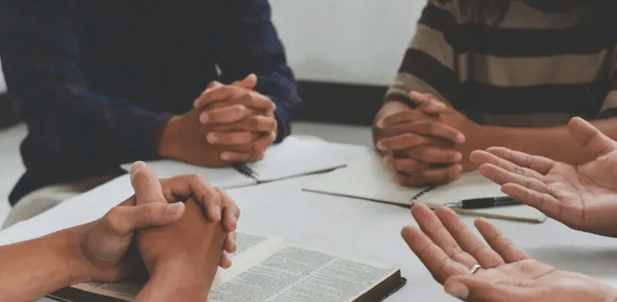
Central to engaging with God is time spent in prayer. A church board is not first responsible to it’s “shareholders” (congregation) but is first responsible to God. It is God’s church, so the board needs to check in with Him to ensure that they are hearing His voice and being led by Him. Board decisions cannot be dependent on consensus alone but need to be guided by God. Along with asking God for direction, the board should talk to God about the people they are called to shepherd. A church board needs to pray for people’s health and life situations, but more importantly, pray for them to grow spiritually. A board has the privilege of interceding for their congregation.
2. Emphasize Discipleship
A church board is called, with the pastor, to lead a church in “making disciples.” (Matthew 28:20) This requires church leadership to regularly review their discipleship process to ensure people are coming to know Jesus and growing in their relationship with Him. Discipleship is about ensuring appropriate ministries are available to those who want to grow in their faith. When discipleship is a priority, it will influence other discussions during the board meeting. For example, if a board recognizes that their budget is falling short, they may want to encourage the pastor to preach about how God wants us to handle finances. The Board may want to plan a study on financial stewardship, not just to meet the budget, but to help their members to honour Jesus in their finances. Boards are easily caught up in many other decisions that it is easy to forget their role in making sure people are growing in their relationship with Jesus.

3. Pursue their God-given Vision
God has called every church to a unique role in the setting they find themselves in. Their vision needs to come from time with God. This may seem like a daunting task, but once the vision is clarified they can move ahead with purpose and clarity. Once they have determined their vision, church boards need to do everything they can to align all aspects of their church services and ministries to the vision God has called them to. This is about being responsible to what God has called them to
While there may be other priorities, these are three that every board needs to remember. A board that remembers these will do well.
Keep looking up,
Andy Wiebe

 Elevate with Andy