I was an actor in a drama years ago when I was attending Bible College. We received our script and then spent time getting to know our lines. One of the key aspects of preparing for the final show was rehearsals. After months of rehearsing, first individual scenes, and then the entire drama, we debuted a successful show that went quite smoothly and was enjoyed by all.
As pastors and teachers in the church, we regularly prepare presentations. We work on lessons to teach to a class and sermons to preach to the congregation. We all have our methods of preparing for our presentations. We may do some research and pray through what God wants us to say. We may work at preparing just the right outline and finding just the right words to express our thoughts clearly. One aspect that some of us miss is rehearsal..

I like to practice my sermon at least once and have experienced numerous benefits.
- I hear what it sounds like.
Preaching is not the same as writing a paper. In a paper I might write formally, and there are often clues such as headings and formatting that visually indicate the organization of topics.
However, when preaching, the content is delivered audibly so the same visual clues no longer apply. That means that it needs to be more conversational, even if the audience isn’t responding to you. You need to pretend you are speaking with them. I get to hear if it sounds too formal and change the wording before I preach it “live”.
- I hear what I sound like.
I can hear my voice as I preach it. I can adjust by slowing down or speeding up at sections I want to highlight. I can hear if I sound judgmental, or if I sound like I care about the audience as I preach to them. If my voice goes too high, or if I say a word in a funny way, I can work at correcting that. Sometimes, what sounds good on paper sounds wrong when we speak it, so I can adjust that.
- I can anticipate their responses as I practice.
I try to do this as I write, but sometimes, as I practice out loud, my mind hears how it sounds and reminds me of a question that may be raised by what I just said. I can then determine if and how I need to address that question.
- I get a better idea of how long it will take.
Often there is an expectation on how long – or short – our sermon or lesson should be. When practicing it out loud, I can time myself and get a pretty good idea of how long I will take. I can also adjust to the time before I go live.
- I can see how my actions will look or feel like.
As a presenter, I enter into the presentation with my whole body. I can smile and frown. I can raise my hands in excitement or open my arms wide to imply something big.
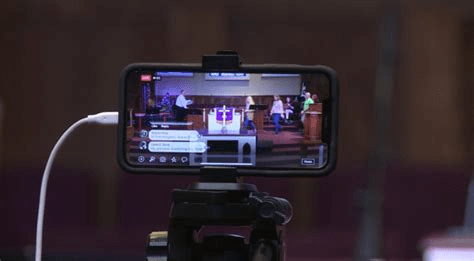
As I practice the sermon, I move around and go through my actions as I expect them to be. If they seem awkward I can either drop the actions or practice them enough to feel comfortable using them. Some presenters will record themselves so they can see what they actually look like.

- I get it ingrained in my head.
Speaking the sermon out loud helps me to get it ingrained in my mind so that I am not just reading content, but it becomes part of who I am. In this way, hopefully, it will not just sound like I am reciting information I have researched but will sound like something I have learned personally and am passionate about sharing with those listening.
- I think of new illustrations as I go.
Sometimes, practicing my sermon out loud will help me think of illustrations I didn’t think about when just writing words down. Saying the words out loud can remind me of something else that helps explain what I am teaching.
- I can recognize when something needs to be reworked.
There are times when I have written things down in the wrong order. Just the other day I recognized that I was missing a section of the scripture I was preaching on. Somehow, I had missed including a place where we would read those verses. I was able to put that in because I noticed it in practice.
As we prepare for lessons and sermons, we want to do our best to communicate God’s truth accurately and creatively. Rehearsing your presentation is one way of making it even better.
Keep looking up,
Andy Wiebe


 Elevate with Andy