How do you remember meetings and appointments you have scheduled? As church leaders, we are often busy enough with our own families and work lives that we can easily forget some of our responsibilities at church. We have many options available to us if we want to keep track of our schedules. We can go old-school with a day timer or paper calendar. We can use calendars on our phones and computers. We can set alarms that remind us of an upcoming event. The problem is, these are no good unless you actually use them.
I recently talked with a church board who had just about missed planning a tradition in their church. Every Father’s Day, people would bring pies to share after church. This was tradition. Someone always reminded people and made sure it happened.

This year, personnel had changed and no one remembered until the Friday before the special day. As a result, a few people were scrambling the day before to make sure everything was in place. If this event had gotten on the right calendar, it may have caused a lot less stress.
So what can we do? And what needs scheduling? Here are a few thoughts on scheduling and setting reminders ahead of time.
- Choose a system of scheduling that works for you.
It doesn’t matter which system you use, the important thing is to choose one that you will continually use. Don’t use more than one system because then something is likely to fall through the cracks.
- Chart everything.
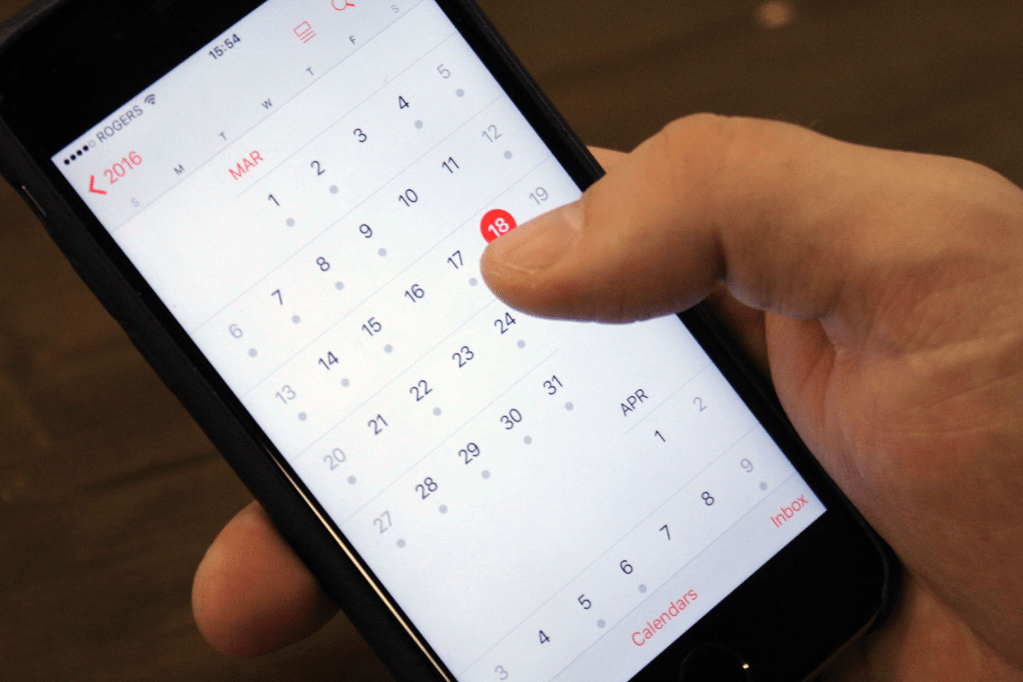
For me, I put everything on my calendar in my phone. When I say everything, I mean everything. All meetings are written there, whether board meetings, or board responsibilities. For bigger events, you may want to break down deadlines for parts of it to be done by earlier dates.
- Set reminder alarms
Often, I not only put the event at the correct date and time, I also put an alarm to remind me ahead of time so I can make sure I will be prepared and on time.
- Scheduling helps planning
Marking everything on your calendar allows you to also plan ahead for preparation time. Because I know of events far in advance, I know when to delegate certain aspects to other volunteers on my team. And of course, scheduling helps reduce conflicts because you know not to plan another event at the same time.
- Your calendar helps you say no
One value of charting everything on the same calendar is that you can see when you are getting overwhelmed and need to say no to something. If you don’t have everything – your work schedule and personal life – on your personal calendar, you may not realize how busy you are with both parts of your life at the same time. You do not need to feel guilty because you know you do not have time to take on anything else.
- Watching your activities helps you see where you spend your time
We are not always aware of how we are spending our time. We get caught up in doing what needs to be done. When you look at your calendar and see that you are spending a large portion of your time doing things that have nothing to do with your vision, you need to adjust your activities. If you notice that an overwhelming amount of time is spent on work, and you are missing out on family time, you need to adjust your schedule.
Setting reminders of appointments and meetings and events can help you be more prepared for them, as well as help you see where you need to adjust your priorities.
Keep looking up,
Andy Wiebe
 Elevate with Andy