Do Something That Scares You

DO SOMETHING EACH MONTH IN WORSHIP THAT FRIGHTENS YOU
If you want to grow, you should be prepared to risk. As a rule of thumb, do something every month that scares you. If you grow in your faith and tenacity, do something every week that scares you. It might be asking a 7th grader to pray the benediction. It may be singing in the middle of the sermon. It may be asking a visitor about his relationship with Christ after a service is over. If you’re shaking in your boots sometime during your ministry, you might feel uncomfortable, but at least you know you have a pulse.

I came across the above paragraph some time ago and don’t remember where it came from or who wrote it, but I keep it on my sermon preparation checklist as a reminder to be willing to do something new and different from time to time.

It is easy for pastors to do exactly what they have always done in how they preach a sermon or plan and lead a service. Human beings easily fall into a rut, a routine that feels comfortable and familiar. But there is a reason that people love to go to Disneyland. I don’t think it’s the rides and entertainment alone; I think part of it is because it is different and unusual from our daily lives. As much as we might fight change, we still want some variety from time to time.

At the same time, bringing variety to a service takes risk. When we, and our church, are used to doing things a certain way, we know that a change could very well frustrate some people. Some may oppose it just because it is different. Some may even have a biblical reason why you shouldn’t have done what you did.

Yet taking the risk may be worth it. Variety awakens our senses. When we taste something new, our tongue notices whether it is an unpleasant taste we have no intention of repeating or a pleasant taste that we think we would like to try again. New experiences awaken different new feelings that the familiar old ways do not. In some churches, a person could sleep through the service and know exactly what happened, in what order, and maybe even the message that was preached, but introducing something new can wake us up.

Recently, at a church where I serve as a transition pastor, I invited people to come for prayer for healing after a baptism service. I have never done that before, but felt that God wanted me to do so. I appealed to Isaiah 53: 4 – 5 to explain the connection between baptism and healing.

4 Surely he took up our pain

    and bore our suffering,

yet we considered him punished by God,

    stricken by him, and afflicted.

5 But he was pierced for our transgressions,

    he was crushed for our iniquities;

the punishment that brought us peace was on him,

    and by his wounds we are healed.

I pointed out how Matthew ties Jesus’ healing of the sick and demon possessed to this passage:

This was to fulfill what was spoken through the prophet Isaiah:

“He took up our infirmities

    and bore our diseases.” (Matthew 8:17)

A couple of people came for prayer. After the service, a few people told me that prayer for healing had not been practiced in the church, but they were grateful that I had offered it.

The risk for me was to add prayer for healing to a baptism service – something I had never done before. I didn’t know that it was also going beyond the usual practice of the church. But God honoured my willingness to risk as I felt him lead.

Let’s not be afraid to risk misunderstanding, or even simple awkwardness, by doing something in a new way. May God help us to know when to step out of the usual and risk something new.

Keep looking up,

Andy Wiebe

God Draws People to Himself in Creative Ways!

A few years ago, I asked one of our members why she started attending our church. Her answer went something like this: “I read my horoscope, and it told me that I am a religious person, but not in the conventional way, so I thought I would go to church to find out.” Our creative God can use a horoscope to draw people to Himself!

I am preparing for a baptism service in a few weeks. A lady who is preparing to be baptized on that Sunday sent me a copy of her testimony of how she came to the place of surrendering her life to Jesus. It was a very well-written story explaining that she came from a family that had no interest in God, but God began to work in her life. She explained how she lingered a little longer than usual on a social media post about Christianity. The algorithm picked up on that and began highlighting other verses and Christian thoughts for her. She realized she was against the Bible without ever having read it. She started reading the Bible. She met other Christians and had meaningful conversations with them and started attending a church. God drew her to the point of surrendering herself to God through faith in Jesus. She described how she had just recently burned her tarot cards and is truly trusting Jesus. Our creative God can use social media algorithms to draw people to Himself.

I don’t know how God drew you to Him, but He is creative in how He works. We see this in scripture as well. God sent Philip to meet an Ethiopian official who was reading Isaiah in his chariot, and the official surrendered himself to Jesus. Peter preached to a crowd on the day of Pentecost, and three thousand people gave their lives to Jesus. The Lord knocked Paul off his horse and blinded him to draw Paul to Himself. Zacheus was up in a tree when Jesus noticed him, and Zacheus’ life was changed as Jesus went to his house and opened his eyes to a new reality of faith in God.

Jesus said in John 6:44, “For no one can come to me unless the Father who sent me draws them to me.” We are told that the Father draws people to Himself. But we are not told how that drawing may take place. God is creative and has all kinds of ways to break into hard hearts and draw people to Himself.

The examples I shared of people I have met make it clear that God doesn’t need you or me to begin bringing people to Him. In both cases, once they were interested and searching, God arranged for them to meet people who could help them along their new journey of developing a faith in Jesus and growing in relationship with God. We, as people, do not, and cannot, make anyone believe in Jesus. We can share stories about Jesus, and we can pray for and with them, but it is God who opens their hearts to faith in Him.

We have a role to play in people coming to faith in Jesus. We may encounter people at various stages of their journeys and have opportunities to be a part of their journey whenever we encounter them. Some may not have heard about Jesus, and we have the privilege of sharing the story of the Saviour of all people. Some may have heard about Jesus but never realized they needed to surrender their lives to His Lordship. Others may already have been drawn by the Father and are looking for someone to help them understand the decision they have made.

Whatever stage we encounter people, we can pray for them, we can share what we know about Jesus, and we can invite them to make a decision to surrender to the Lordship of Jesus. We have an amazingly creative Father God who invites men and women and boys and girls to faith in Jesus in whatever way He chooses. Let’s be aware of people in our life who are searching and whom the Father has been drawing so we can help them understand and begin their eternal life of faith in Jesus.

Keep looking up,

Andy Wiebe

No Regrets.

The start of a new calendar year often causes people to evaluate their lives. This may include both looking back and looking forward. Some of us seem to spend more time looking in the mirror, while others focus only on what is in front of them. I generally focus on what’s ahead. I love planning and dreaming and preparing for what’s coming up.

The other day I overheard people talking about regrets they had. They felt they had missed out on opportunities in life because they were not willing to risk and try new things. We can look ahead with a “no regrets” mindset where we learn from the past and move on. We don’t need to look back and regret where we felt you missed out.

As I look around my office, filled with my Coke collection, I’m reminded of regrets the Coca-Cola Company had some years ago. They introduced “New Coke” on April 23, 1985, hoping to revitalize the brand and gain more market share of the beverage industry. It was a big flop! According to Brittanica, “original Coke was hoarded or sold at Prohibition-style prices. In addition, New Coke was dumped publicly into the sewers in Seattle. After 77 days the previous version of Coke was brought back as “Coca-Cola Classic” on July 11, 1985”. (https://www.britannica.com/topic/New-Coke) Hopefully you don’t have any regrets as notable as that, but it is possible that we do have some things we wish went differently for us in our past.

Regrets may come in many forms. Some are mistakes that were made. Some regrets have to do with roads not taken and opportunities missed out on. Some regrets have to do with fear of risk. While I’m not promoting revisioning history, I do think that we need to find ways of using regrets to our benefit, so they end up not being regrets in the end.

We can benefit from our experience, even if they seem like regrets at first. If your regret is a mistake that was made, learn from the mistake. Did you do something wrong on purpose? Was it a deliberate mistake? Then figure out why you did it and how you can learn from that for the next time you are in the same situation. Was it a mistake because you didn’t have the full story? Then determine to get more information, or more pertinent and accurate information the next time. Don’t live with regrets about mistakes in the past, just learn from them and move on. You cannot change what happened but you can change how you handle your future.

When considering missed opportunities, asking “what if” questions do not help us with reality. We don’t know how things would have turned out if we had taken a different direction. We can imagine, but we don’t really know. Hindsight is not always 20/20 because we don’t know what might have happened if we had stepped into a possible opportunity. If your regrets are about things that could have been different because of a missed opportunity, remember that you have no idea how it would have turned out. So don’t live with regrets for something you never did.

Another regret may be the way fear of risk kept you from stepping into roles and opportunities. If fear of risk is still predominant in your life, then learn to take small risks and learn that some risks have good benefits. Instead of letting fear keep you back, learn what you can, and then carefully move ahead, into the risk. When you have a relationship with God, you can ask him to help you know when to move ahead and when not to. If God wants you to move, then the risks is not as risky anyway.

As you look back over the last year, I hope you have no regrets. Learn from mistakes, grow in areas you feel you fell short in, and focus on what went well. Don’t focus on what could have been but learn what you can from what did happen. And then look ahead to the next year with anticipation and determination to do your best to keep growing and learning and contributing to the world in any way you can.

Don’t have regrets, just memories that help spur you on!

Keep looking up

Andy Wiebe

Book Reviews: Andy’s 2024 Reading Experience

I will be sharing a brief review of every book I read this year. Hope you enjoy and hope it encourages you to keep reading.


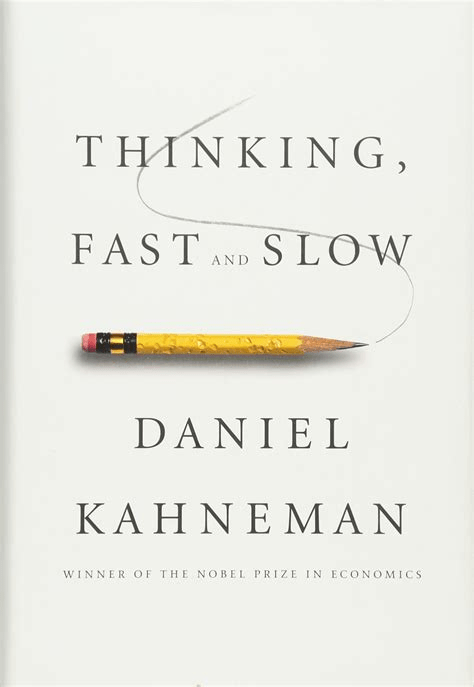
THINKING, FAST AND SLOW – by Daniel Kahneman

As the title says, this book is about thinking. Slow and fast refers to the two systems Kahneman describes in the book. System 1 is like instinct. This is our automatic thinking system where we don’t have to exert any effort to know certain things like one object is bigger than another or that 2 + 2 = 4. This is learned thinking, by experience or by effort. System 2 is where we have to take time to ponder something in order to come up with the right answer. Our choices and decisions originate from system 2. The first part of the book and the explanation of how these two systems work, is the best part of the book. The rest of the book then works through various examples of how our understanding of these systems affects our everyday lives. A great book on thinking to make you think!

Four Suggestions for A Good New Start

While beginning a new job is both exciting and overwhelming, it is important to take time in the midst of the busyness to identify your values in the new role. The duties of the job can quickly fill your schedule and begin to pull you in a direction you may not necessarily want to go.

What is important to you that you do not want to ignore as the demands of your new position grow? What do you need to schedule now before your schedule fills up?

  1.  Get Your Family Settled

When moving to a different community for your work, make sure you take adequate time to get your family settled. Unpack as quickly as you can so that your family can see familiar photos on the wall and fridge that help them feel somewhat at home.

Help your family get settled in school and in other sports or community activities that will help them get connected to the community and to new friends. The more settled your family feels, the more settled you will feel.

Schedule important family dates onto your calendar before the job demands overwhelm you and you forget special days. 

2. Be Clear on Your Personal Priorities

    In the process of accepting a new role, you have an opportunity to review the job description that will define your responsibilities. But you most likely have some personal values or priorities that you hold. If you, as a new pastor, want to spend regular time in prayer, schedule it into your calendar. If you love mentoring others, you might already be looking for whom to mentor. If you want to keep on growing in your skills and personal development, you might want to determine a plan that will work in this new setting and will not interfere with the responsibilities you agree to when you accepted the position.

    Make sure you know the requirements of your new role. Begin to plan and dream and schedule dates as you look at what you need to work on.

    3. Begin New Friendships

    When you begin a new position in a church, there may not be a lot of demands on you at first as you begin to make your way into your new role. Because you do not have many projects to work on at first, focus on getting to know people. Get to know the people you will work closely with. Get to know your board. Get to know other staff. Get to know the leaders who volunteer in the ministries of the church. You can do this on your own, or if you have a spouse or family, meet together with couples and families.

    Good friendships will help your job to be an enjoyable experience.

    4. Develop a Schedule That Fits the New Role

    While your new job may be similar to what you have done before, each new role comes with various changes that affect how you fulfill your new role. Each new job comes with different expectations and different schedules. Because of the expectations of your new role, you may need to take a different day off than you have before. Maybe you are better off coming to work earlier and going home earlier in the afternoon as well. Figure out the schedule that will work for you now.

    It can be a lot of fun starting a new job. I believe you will have a better start if you can follow the suggestions above.

    Keep looking up,

    Andy Wiebe

    The Birth of Jesus! The Story of Christmas.

    Luke 2

    In those days Caesar Augustus issued a decree that a census should be taken of the entire Roman world. (This was the first census that took place while[a] Quirinius was governor of Syria.) And everyone went to their own town to register.

    So Joseph also went up from the town of Nazareth in Galilee to Judea, to Bethlehem the town of David, because he belonged to the house and line of David. He went there to register with Mary, who was pledged to be married to him and was expecting a child. While they were there, the time came for the baby to be born, and she gave birth to her firstborn, a son. She wrapped him in cloths and placed him in a manger, because there was no guest room available for them.

    And there were shepherds living out in the fields nearby, keeping watch over their flocks at night. An angel of the Lord appeared to them, and the glory of the Lord shone around them, and they were terrified. 10 But the angel said to them, “Do not be afraid. I bring you good news that will cause great joy for all the people. 11 Today in the town of David a Savior has been born to you; he is the Messiah, the Lord. 12 This will be a sign to you: You will find a baby wrapped in cloths and lying in a manger.”

    13 Suddenly a great company of the heavenly host appeared with the angel, praising God and saying,

    14 “Glory to God in the highest heaven,
        and on earth peace to those on whom his favor rests.”

    15 When the angels had left them and gone into heaven, the shepherds said to one another, “Let’s go to Bethlehem and see this thing that has happened, which the Lord has told us about.”

    16 So they hurried off and found Mary and Joseph, and the baby, who was lying in the manger. 17 When they had seen him, they spread the word concerning what had been told them about this child, 18 and all who heard it were amazed at what the shepherds said to them. 19 But Mary treasured up all these things and pondered them in her heart. 20 The shepherds returned, glorifying and praising God for all the things they had heard and seen, which were just as they had been told.

    21 On the eighth day, when it was time to circumcise the child, he was named Jesus, the name the angel had given him before he was conceived.

    Finish Well

    The start of a new job if often full of excitement and energy and ideas.

    However, near the end of the job, it can be quite different. Whether you decided to hand in your resignation letter or you come to the end of a contract like me, it can be hard to finish with the same excitement.

    I am coming to the end of a contract with a church right now. And I am trying to figure out what has to be done in the last two months here. I want to finish well, and not just coast across the finish line. I have been asking myself, “What can I do in these last two months that will help set the church up for a great future?” With that question in mind, I have determined what needs to be in my plans for the next few weeks.

    Regular Duties

    While I know that I will be leaving this position soon, that is not an excuse to quit doing the regular duties that I have been assigned. For me, I have to continue to preach and be available for caring for people right to the end of my time in this position. It doesn’t matter how close to the end I am, I need to serve them with the same commitment I did earlier.

    People

    I want to make sure that any people responsibilities I have are fulfilled. This includes letting people know or reminding them that I will be leaving soon. This is especially important when it comes to people who will be taking on tasks that I have maintained. Working with them before I leave and giving them a few pointers of what worked well will set them up for success.

    Projects

    One of my projects right now is to help the church set up their Search Committee and create and share a job posting for a full time Lead Pastor. As I finish up my contract as a transition pastor, I am helping the Search Committee with the process of posting the position and starting the hiring process.

    My situation is quite specific, but for those who are resigning or retiring you may similarly want to help your organization as they find someone to fill your role.

    Team Duties

    Often, we are part of a team or a group of people who share responsibilities. For example, I work with the Elders Board at my church. As I near the end of my contract, I will continue to lead the team well, helping them to flesh out the vision we worked on together. I will help them prepare for the arrival of a new pastor so that his start will be planned out and he will have the best chance of success going forward.

    Take time to finish your job well. Leave in such a way so that people think of you fondly as they remember you later. Don’t burn bridges – you may end up working with these people again some day. I served one church as a Transition pastor that I had served over 20 years ago as their lead pastor. Finish well to keep doors open down the road.

    And finish well as a person of good character. Continue to do what needs to be done even though you know you are leaving soon. Don’t just mail it in. Do what you are expected to do to fulfill your job right to the end.

    It’s fun to start new positions, but make sure you leave well at the end too.

    Keep looking up.

    Andy Wiebe

    No Insignificant Moments. No Insignificant People.

    The moments of our life are filled with little decisions. A mother in Zambia stirs her nshima. A farmer in Peru harvests his coffee. A businessman in Japan exits an elevator. Life is going on in every corner of the world. Insignificant moments? Insignificant people?

    A kind word encourages a friend. A “thank you” lifts the spirits of the barista who prepared your coffee. A word of encouragement helps a young person decide on a career. Small moments that make a difference.

    A secretary phones in sick, and a temp gets a new job. A student calls for prayer and a movement takes shape A neighbor introduces himself to another neighbor – and introduces him to the Lord three years later.

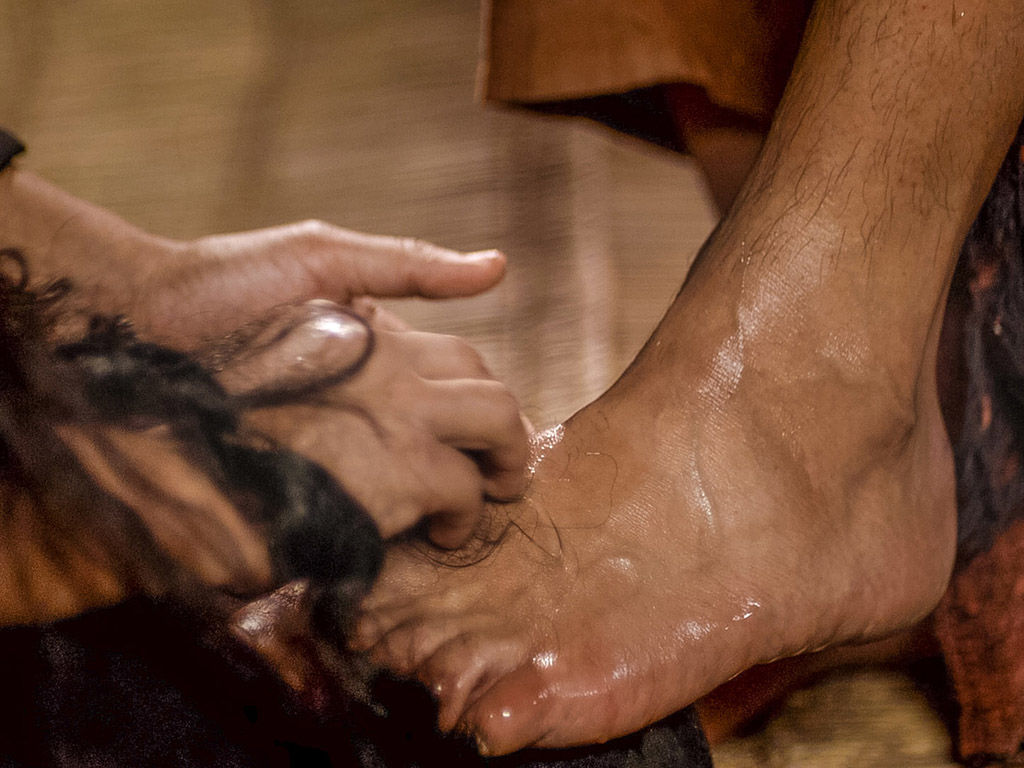
    A woman pours perfume on a man’s dirty feet and wipes them with her hair – and Jesus makes sure it is recorded in history. An impatient soldier shoves a spear into Jesus’ side to make sure he is dead – and fulfills prophecy. Small, seemingly insignificant moments, with significant effects.

    John Maxwell is famous for his writing and speaking on leadership. I was amazed at his ability to find good quotes and the right facts – until I heard he has a crew of people who do much of that work for him. Those who have made significant contributions to the world require the support of people in the background. Unknown people are in the background of all who seem to have made significant contributions to the world.

    A friend is recognized for his act of bravery by the Canadian government for helping a fellow passenger to safety when their small plane crashed. He’s seen as a hero now, but in the moment simply decided to act. And it turned out to be a significant decision. A choice made in the moment, but a lasting impact and recognition.

    There are no insignificant moments. All the seemingly insignificant decisions of seemingly insignificant moments shape who you become. Everything we do, as insignificant as it may seem, has significance. Those small decisions that we make in a moment accumulate in your character. They shape you and determine who you become.

    So whether you eat or drink or whatever you do, do it all for the glory of God.”

    the Apostle Paul

    “So whether you eat or drink or whatever you do, do it all for the glory of God” writes the Apostle Paul in 1 Corinthians 10: 31. Brush your teeth for the glory of God? Share your testimony for the glory of God? Every moment that feels insignificant can glorify God. God is at work using the moments, the words, and the actions, of each person. God uses the average, unimportant people to bring Him glory.

    Every moment can make a difference. Every word can be powerful. Every person has value and purpose.

    May you live a life of significance as you surrender your life to the pursuit of the glory of God. Invite him into every aspect of your life, every decision you make, and you will live a life of significance in His eyes.

    May you be a leader who recognizes the value of the insignificant moments and insignificant people.

    Keep looking up,

    Andy Wiebe

    The Power of Music and Song

    Music is a part of our lives. From the song playing on your radio alarm as you wake up, to the elevator music you hear on you way to work, to the dinner music at a dinner out with your special person, music is all around us. Lullabies put our children to sleep, national anthems announce the start of a hockey game, and Happy Birthday makes us smile around a candle-lit cake. Music is also a big part of the church.

    • Music triggers memories.

    Some couples have a song. It could be the song that was playing on their first date or another significant moment. Songs can take us back to occasions or moments of significance to us. I remember singing How Great Thou Art with some friends underneath tall evergreens on the shore of Heart Lake in northern British Columbia. We sang of God’s work in creation as the rain poured down and the lightning flashed against the night sky, lighting up the mountains around us. Every time I hear that song, I remember that place and that special moment.

    In church, some songs remind us of special moments we had with God. The Goodness of God, by Bethel Music has a special place in my heart because I first heard it while in a low point in my life and it did a lot to lift me up and reorient myself with a renewed trust in God.

    • Songs teach us.

    The tunes that stick in our head through the week remind us of the sermon we heard last Sunday and the truths that the Holy Spirit revealed to us. Humming or whistling a tune reminds us of something even when the words aren’t sung.

    Statements read or spoken are not as easily retained as when in a song or put to a tune. As we sing songs together on Sunday morning or on our own throughout the week, we begin to internalize the words, and ultimately learn from them. Some of the great hymns of old were powerful because of the biblical truths they teach.

    On the other hand, some of them taught us things that were not true. Christmas carols for instance taught us that baby Jesus didn’t cry, which can’t be true if He was truly human. How else would he have communicated his needs as a baby? We Three Kings declares there were three wisemen or Magi when the Bible doesn’t say that. Songs make assumptions and take poetic license, which is fine until we assume the words are truth.

    Songs teach us. We just need to be aware what we are learning as we sing. Do the lyrics declare biblical truths that we can stand behind, or do they teach something contrary to what we preach and practice?

    • Songs speak to our hearts

    Songs, and the music we sing them to, have a way of grabbing ahold of our hearts. They become personal expressions declaring great truths we agree with, or prayers expressing our hearts in a way we couldn’t until we heard and sang this song. Songs are the expression of the writer, and when we find a song where the writer expresses exactly what we want to say, it can be a wonderful experience. It gives words to feelings we may not have been able to articulate.

    I have had songs help me declare my faith in God in the middle of the storms of my life. When everything seemed to be going wrong around me, I could join in with the song and reaffirm my belief that God was and is still sovereign even in my tough times.

    Songs can make us laugh and make us cry as they enable us to put words to our emotions.

    • Songs Invigorate Us

    Armies often had battle songs. National anthems inspire athletes to do their best at the Olympics. And songs can help us to rise to the challenges that face us every day. They don’t just give us something to identify with but draw us to commit to action. Songs can invite us to declare our allegiance to our God and King again.

    There is power in music and song. We need to recognize that power and use it in a way that will continue to remind each other to keep looking to Jesus and honor God with our lives. Let’s encourage and inspire each other as we sing.

    Keep looking up,

    Andy Wiebe