The Importance of Consistent Messaging

Whether in conversations with a friend or making a transaction at a store, we need to be able to communicate or intended message clearly. As church leaders, we want to communicate with the people in our churches and the communities around us, and it is important that we put thought into our messages we communicate to avoid unnecessary confusion.

Every time I drive to the community where I serve as a Transition Pastor, I pass a confusing message. On the side of the road there is a big tea pot shaped sign up on a post, as if announcing a place to stop and have tea. As you get closer, you will see that they do not want you to stop, because as you turn off the highway, you are greeted by two orange traffic barricades with a sign that says, “Do not enter. Private yard.” It must have been a restaurant at one time but not anymore. Yet the teapot sign remains inviting people to enter a private yard.

Just this morning I walked by another confusing message. In a storefront at the local mall, a slogan says: “Celebrate your shape.” In my mind, that indicates that they would have clothes for a variety of shapes of people. Instead, the mannequins in the display window are all pencil thin. That seems like a confusing message to me. Does it mean you can celebrate any shape you want as long as you are very thin.

Let’s look at a few ways that we as church leaders can prevent common inconsistent messages:

  • We say we want to strengthen families and then we plan separate activities for everyone.

Many churches say they support families. That is good, and we should support them, but too often we keep the families busy with their own separate activities. Children go to Sunday School and Children’s Club. Youth go to Youth Night. Men and women go to their own Bible Studies. We say we support families and then we plan everything to separate them. I know there are benefits to the separate programs, but how about we bring them together more? Instead of planning a Youth Ski Trip, plan a Family ski trip. How about planning mixed Bible Studies occasionally?

  • We say we are an intergenerational church but don’t allow children to serve in the worship service.

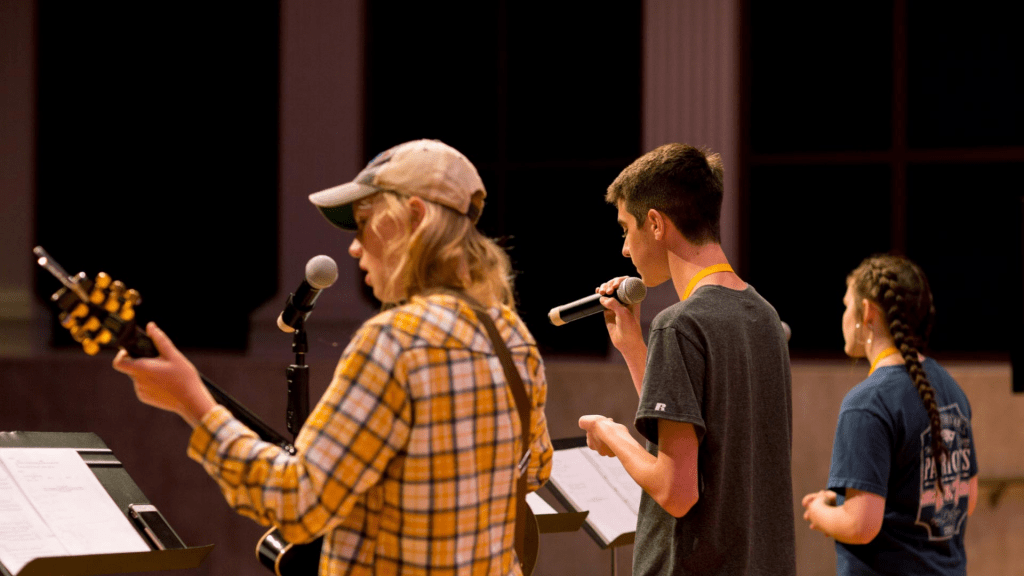
In many churches, serving in the worship services is limited to adults – often only “accomplished” adults. While the messages on the website might state the church values intergenerational participation, a different message is communicated each Sunday morning. Why not add some youth to your worship team? Many of them are musical and would love to learn to play an instrument as part of a music team. How about having children reading scripture?

Some of the ushers in our church are inviting their children to help them pass the bags to collect the offering. There are many places where children and youth can learn to serve and serve well.
  •   We say we want to reach our community with the gospel but have no outreach from our church.

I understand there are many ways to reach into our community with the gospel, and much of that can be done by individual members of our church. It’s exciting when we hear of that happening. Yet if this is something that we say we want as priority in our church, the church should provide opportunities for outreach and training. We need to follow through on what we say we think is important as a church.

  • We have a website that announces activities we do not offer.

Every church needs to have a website. We need to be able to communicate with people online. But let’s make sure that our information is up to date and accurate. Recently I was looking to book a bus ride from one town to another. I searched online and found a site advertising the route and rates. I made some initial plans that revolved around catching that bus. I went to book it, only to find that the route and bus service had been cancelled for a year or two already. We don’t want to do the same thing with our information online. Communicate what you offer and make sure you it’s accurate.

 Inconsistent messaging not only misinforms people, but it also causes them to lose trust in us. If we can’t communicate accurately, it will seem as if we are not being truthful. We end up not just disappointing people but turning them away from our church. Let’s make sure that our messaging is consistent and accurate.

Keep looking up,

Andy Wiebe
Book Reviews: Andy’s 2022 Reading Experience

I will be sharing a brief review of every book I read this year. Hope you enjoy and hope it encourages you to keep reading.


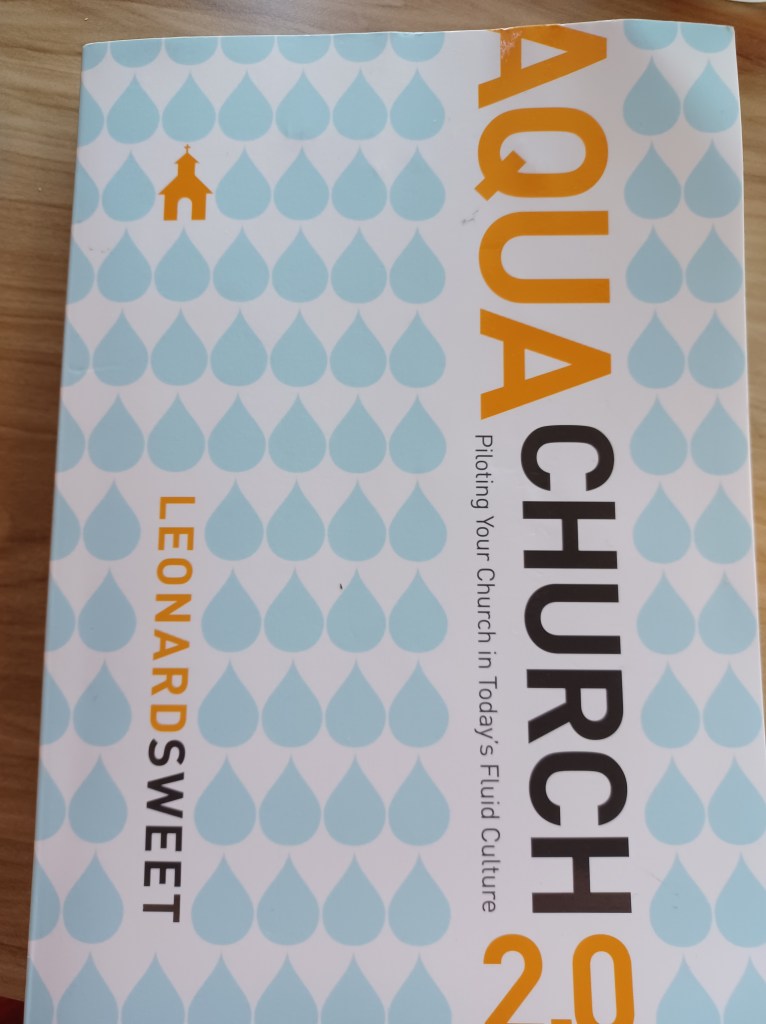
AQUACHURCH 2.0by Leonard Sweet

AQUACHURCH 2.0: Piloting Your Church in Today’s Fluid Culture uses the metaphor of water to teach on the church and it’s role in today’s culture. He addresses many aspects of church ministry, even chapters on “Risk Taking” and “Intuition” which most other church leadership books do not include. He is encouraging churches to be more aware of the culture we live in and minister in so we can understand how best to differentiate between places we join in and times we act counter-culturally. He makes a point of saying, “For leaders, not having a Web ministry is more than being without a calling card, not using a Web site as a communications and community-building tool is to have fumbled the future.” That is an appropriate message to the many churches who went to online service through Covid but have not chosen to have a meaningful online presence going forward. This book is a great resource for any church leader.

Goodbye 2021 – Some of my Remarkable Wins!

As I look back I am incredibly grateful for the great God that we serve. Here are a few of my highlights of 2021:

1. We were able to buy a house after having to rent for a few years! God did some amazing miracles to work out the finances and get us a great house and a reasonable price.

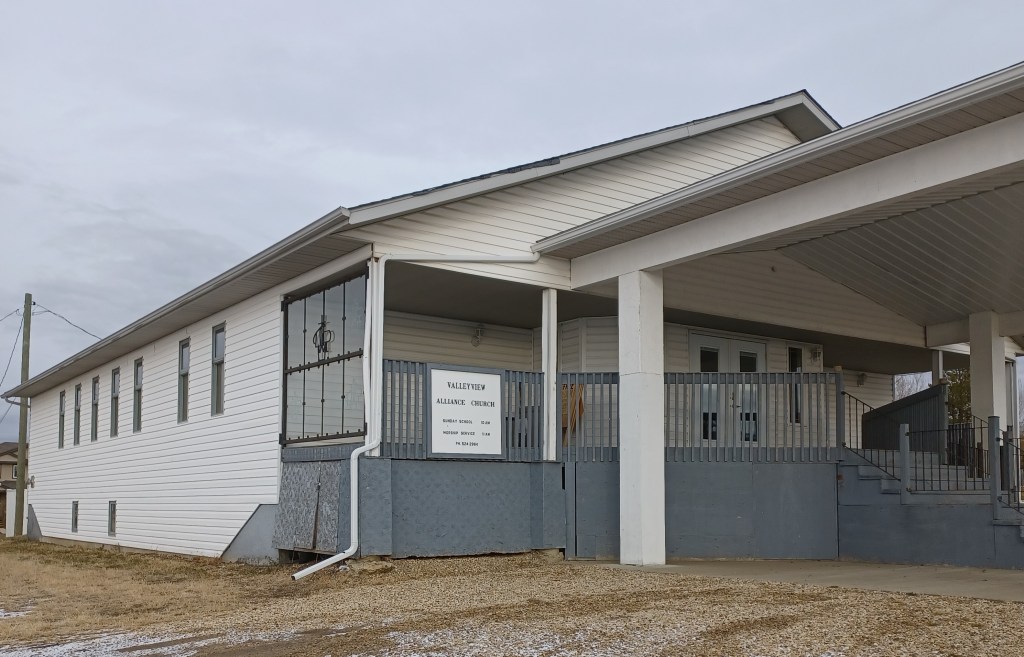
2. I got a new job. I get to, once again, work in the areas I am passionate about and gifted in. God arranged for me to start as a Transition Pastor at Valleyview Alliance Church, Valleyview, Alberta. I am enjoying the process of preparing this great church family for their next pastor.

3. I started a new business. I was able to get some training on becoming a church consultant and read a lot on coaching. That, coupled with my 30 or so years of pastoral ministry, prepared me to begin Elevate Coaching & Consulting, with the purpose of “helping you achieve your God-given dreams”. I am primarily working with pastors and church leaders, as most of my experience has been in that field. And being a Transition Pastor fits into this as I help Valleyview Alliance Church work toward their God-given dreams.

And another great year with this amazing lady! Thanks Lynnette! I love you more every day!

I love to read, and did much of that this past year, focusing in on reading about the Holy Spirit and his filling and power in the last few months of 2021.

I was able to have a number of great conversations with pastors and church leaders, and had the opportunity to encourage them.

I hope you can look back on the past year and remember some great answers to prayer, and some remarkable wins and accomplishments. Hopefully your positives overwhelm your negatives, and that you can look back over the year with a grateful heart and thankfulness to God.

Goodbye 2021!

Happy New Year

Keep looking up!

Andy

*Please share some of your wins and positive experiences with me in the comment section.

Your Church Website is Your New Front Door!

I like seeing houses with a bright front door that stands out from the rest of the building.

Every building, every house, every church has a front door. It is not just a great place to put an accent color for your building, but the place that people enter.

In the past, we saw the front door of the church as the place where newcomers first made contact with  your church. That has changed.

Your church’s website is your new front door. People look you up online before they actually come to your building and take in a Sunday service. They can get a sense of what your church is like before they even show up.

How welcoming is your “front door”?

Here are three of the most important things you need on your website.

1. The Physical Address

Make sure the first thing people see when they open your website is your physical address. I know a number of rural churches have a box number for their mailing address, but this is not what people are looking for. It is important that a potential newcomer knows where the church is. Include a Google map with directions to your church, and check for accuracy before posting.

2. Service Times

If someone is considering attending your church, they want to know what time to show up. Not every church meets at 11:00 am today. Churches with multiple services should also include any differences between services, such as different ages available for children’s ministry. Make sure to update this every time a service time changes. There is nothing worse for a newcomer to show up late because you forgot to update your service time!

3. What to Expect

Some churches have a short description of what people wear. A common example could be something like: “Most people come in jeans and shirts, though suit and tie, or a dress, are fine too.” Here is a personal example: If you have never been to a symphony, you might want to know what to wear. I went to my first symphony with my brother-in-law, and I had not come prepared. I had no suit like everyone else was wearing, and I felt really out of place. People who have never been to your church want to know how to dress.

You might also lay out how the morning works. If you have coffee available, let them know they can take it into the auditorium with them. If you send the children out to their classes part-way through the service, explain how that works. Add anything that you think a newcomer might need to know when they show up.

If you have these three, you are way ahead of many churches!

There are a few more items people look for. Easy to find visible links to the following items allow searchers to quickly identify how to find the information they are looking for.

4. Contact information

Have a link to a page with all the information. This includes the church phone number and email address. It might be good to have the same for your staff. And while I think about it, post your pastor’s name somewhere that is easy for people to find. I am surprised at some websites. It seems the pastor’s name is a secret they don’t want to share, or just assume everyone knows. You might even want to have a brief video welcome from your pastor on your home page.

5. Beliefs and Values

When I moved to a new city, I decided to look for a church by first checking out a number of websites. One of the things I was looking for was a church that believed the same way I did.

6. Ministries and Programs

Have links to all ministry or program pages.

Children: Most families want to know what to expect for their children. Be clear about whether they are included in the main service, or if they are dismissed to their own service. There should be no confusion on this issue at any point for. Also, make it clear that families can choose to keep their children with them in the main service.

Make it absolutely clear that you have a plan to protect children from any harm. Describe exactly what your protocols are and how you screen and train your volunteers who will work with the children. Include links to any outside regulations or certifications adhered to by your church and denomination.

Youth: Provide clear information on what ages these programs are for and when they meet. Include the same safety protocols as with the children.

Small Groups: Most churches have some form of small groups. Explain how yours function and how someone can join a group.

Other programs: Let people see what you offer and where they can be involved.

7. Sermons

Have at least a few recent sermons recorded and available to download on your website. People might want to hear a sermon before attending, so they know what to expect.

There are many other options, but remember that the target audience for your website is new people. Yes, there are some pages that might be for in-house information, but the primary audience should be the newcomer.

If you would like to improve your “front door”, you can check out a Website Audit here. Call me if you would like some coaching help to improve your front door welcome.

Keep looking up!

Andy